

Ostke kõrglahutusel ja täiustatud digitaalne pilt, mis on oluliselt parem kui veebilehel näidatud eelvaade.
Iga fail on meie spetsialistide poolt hoolikalt ette valmistatud, kasutades kaasaegseid tööriistu ja professionaalset käsitsi retušeerimist. Tagame, et igal pildil on erakordne selgus, täpne värvitäpsus ja peen detail.
Lõplik fail saadetakse e-posti teel 72 tunni jooksul, olles optimeeritud koheseks kasutamiseks professionaalsetes, toimetuslikes ja trüki keskkondades. See on sama kvaliteet, mida usaldavad tipptasemel disainistuudiod, kirjastused ja galeriid.
Laadi alla kõrge resolutsiooniga fail isiklikuks vaatamiseks, trükkimiseks ja loomingulisteks projektideks. ( Osta print Osta käsitsi maalitud maal)
Valides BuyPopArt.com, ei saa sa lihtsalt pilti – saad professionaalselt parandatud digitaalse teose, mida on valmistatud täpsusega ja mis on toetatud rahuldamatusgarantiiga. Siin on kõik, mis sinu tellimusega automaatselt kaasneb:

Teie kõrge resolutsiooniga digitaalne pildifail saadetakse teile e-posti 72 tunni jooksul pärast tellimist – kohe kasutamiseks valmis.

Teie teos on professionaalselt optimeeritud arenenud tehisintellekti tööriistade ja käsitsi redigeerimise abil, tagades maksimaalse detailitaseme, selguse ja värvitäpsuse.

Kas kustutasid faili kogukalu unustamisel või kustutamisel? Puudub mure – saad selle uuesti igal ajal ilma lisatasuta.

Nautige oma teoseid koheselt ilma tolli-, maksude või tarnimaskuludeta – digiletchargused on alati maksuvabadud.

Me tagame, et teie digitaalne pilt kajastaks originaali värve professionaalsete tööriistade ja värvihalduse abil võimalikult täpselt.

Kui te ei ole oma digipildiga rahul, parandame seda või tagastame 100% summast 60 päeva jooksul – küsimusi ei esita.

Ei ole rahul? Saate täielise tagastaja 60 päeva jooksul pärast digitaalse faili kättesaamist – küsimata.

Osta 3 pilti, säästa 10% - Osta 5, säästa 15% - Osta 10+, säästa 20%. Sobib suurepäraselt loomingulisteks projektideks, galeriideks ja agentuurideks.
Jan van Eyck’s Small Triptych, a masterpiece completed around 1437 and currently residing in the Gemäldegalerie Alte Meister in Dresden, isn't merely a painting; it’s an invitation. A remarkably intimate work considering its scale, this triptych offers a profound glimpse into the devotional practices of early Renaissance Europe. Measuring just under 30 centimeters tall, it immediately draws the viewer in with its meticulous detail and the quiet solemnity of its subjects. Unlike grand altarpieces designed for public display, the Small Triptych speaks to a more personal sphere – a private devotion, perhaps, or a moment of contemplative reflection. The choice of grisaille, a monochrome technique utilizing shades of grey rather than vibrant color, is particularly striking. It lends an almost sculptural quality to the figures, as if they were carved from stone, emphasizing their timelessness and spiritual weight.

The triptych’s narrative unfolds in a carefully orchestrated sequence. The central panel presents the Virgin Mary cradling the infant Jesus within a simple, yet elegant church interior. This scene immediately establishes a sense of serenity and maternal grace – a quintessential representation of Marian devotion. To the left, St. Michael stands as a powerful protector, accompanied by a donor figure, likely representing one of the patrons who commissioned the work. His posture exudes authority and piety. On the right wing, we encounter St. Catherine, another revered saint known for her steadfast faith and unwavering virtue. The inclusion of these three figures – Mary, Michael, and Catherine – represents a harmonious balance between divine grace, earthly protection, and spiritual fortitude. Crucially, when closed, the triptych reveals an Annunciation scene on its outer wings, creating a continuous narrative thread that underscores the central theme of God’s intervention in human affairs.
What truly elevates the Small Triptych is Van Eyck's masterful command of oil paint. This medium, still relatively new at the time, allowed him to achieve an unprecedented level of realism and detail. The subtle gradations of light and shadow, the delicate rendering of textures – from the folds of Mary’s robes to the intricate stonework of the church – are a testament to his technical skill. Van Eyck's use of oil paint also enabled him to work with remarkable patience, layering thin glazes upon thin glazes to build up color and depth. This painstaking process is evident in every brushstroke, contributing to the painting’s luminous quality and its enduring beauty. The technique was revolutionary for its time, allowing a level of detail previously unattainable with tempera or fresco.
The Small Triptych offers more than just aesthetic pleasure; it provides a valuable window into the religious beliefs and practices of early Renaissance Europe. Its intimate scale, combined with its meticulous detail and symbolic imagery, reflects a deeply personal form of devotion – one that sought to connect individuals directly with the divine. The work’s grisaille palette further emphasizes the spiritual nature of the scene, stripping away worldly distractions and focusing attention on the sacred figures within. Today, reproductions of this remarkable triptych allow us to appreciate Van Eyck's genius and contemplate the profound beauty of early Netherlandish art, offering a tangible connection to a bygone era of faith and artistic innovation.
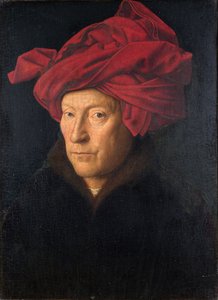
1390 - 1441 , Madalmaad


Püsige kursis viimaste kunstiuudistega, eksklusiivsete pakkumistega ja sisustamisideetega.
Kirjeldage meile oma projekti ja meie kunstieksperdid pakuvad teile 3 isikupärast kunstiettepanekut.
Laske meil koostada just teile mõeldud 3 valikut – tasuta!


 Eelvaade
 Saada
Saada Jaga
Jaga
 Teave teose kohta

 Laadi alla
 Sarnased teosed
 Röntgenuuring
 Slaidietendus
 Loe lähemalt