Muuseumikvaliteediga giclée- või kangasprint kiire tootmisega ja paindlikud viimistlusvõimalused. ( Osta käsitsi maalitud maal Osta pilt)





























Vali meie eelmääratud suurused, mis vastavad teose algupärastele proportsioonidele.

Saate sisestada oma mõõdud, et need sobiks konkreetse raami või ruumi sisse. Kui valitud suurus ei vasta originaalteose proportsioonidele, lõigame teose ära või laiendame pilti peegeldatud või ühtlase servaga. Enne tootmisprotsessi algust saadetakse Teie kinnitamiseks digitaalne näidis.
Palun märka, et ekraanil kuvatav eelvaade ei kajasta tegelikku lõigamist või laiendamist. Ainult näidis kujutab täpselt lõplikku kompositsiooni.
Kuigi erimõõdu on saadaval, soovitame originaaproportsioonide säilitamiseks valida mõõt ette määratud nimekirjast.
Ülemaailmne tarne () 2 nädala jooksul, tavalise 4/5 nädala asemel. (14 august)


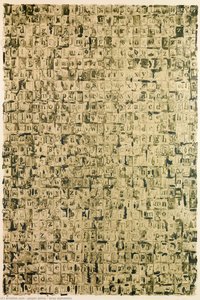
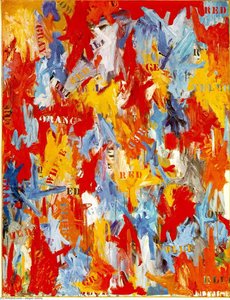
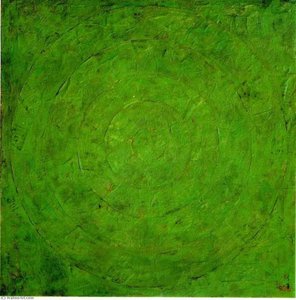
Colored alphabet
Reproduktsiooni suurus
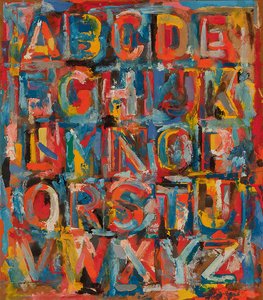
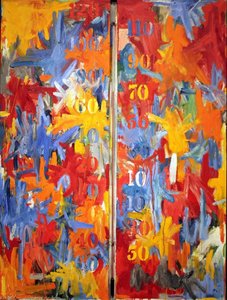
Jasper Johns' "Colored Alphabet," created around 1959, stands as a deceptively simple yet profoundly complex work within the artist’s evolving body of exploration. This painting isn’t merely an arrangement of letters; it’s a meticulously crafted meditation on perception, representation, and the very nature of meaning itself – themes central to Johns' groundbreaking approach to art in the mid-20th century. The piece immediately draws the eye with its vibrant palette, a deliberate departure from the monochrome often associated with Abstract Expressionism, aligning it subtly with the burgeoning Pop Art movement that would soon challenge traditional artistic hierarchies.
Understanding the context surrounding “Colored Alphabet” is crucial to appreciating its significance. Johns emerged during a period of intense artistic experimentation following World War II. The Abstract Expressionists, with their emphasis on raw emotion and gestural abstraction, had dominated the art scene, but Johns sought to move beyond purely subjective expression. He began to incorporate recognizable imagery – maps, flags, numbers, and, crucially, letters – into his work, transforming them into symbols that carried layers of cultural and personal meaning. This fascination with iconography reflects a broader postwar anxiety about identity, national narratives, and the increasingly mediated nature of reality.
As documented in The Art Institute of Chicago’s collection, Johns utilized stencils as a key component of his process, adding another layer of complexity to the work. This technique is evident in "Colored Alphabet," where the precise execution of each letter suggests a deliberate engagement with the tools and methods of mass production – a subtle commentary on the role of images in contemporary society.
The painting’s surface reveals Johns' meticulous attention to detail. The letters are rendered with a smooth, almost enamel-like finish, achieved through careful layering of paint. This technique creates a tactile quality that invites close examination, encouraging the viewer to consider not just what they see but also how it was made. The use of bright, saturated colors further enhances this sense of materiality, emphasizing the physicality of the artwork and challenging the traditional notion of painting as purely an illusionistic medium.
"Colored Alphabet" transcends a simple depiction of letters; it becomes a potent symbol of communication, knowledge, and perhaps even the limitations of language itself. The isolated letters disrupt our ability to read and comprehend, forcing us to confront the inherent ambiguity of representation. Johns’ work invites contemplation on how we interpret images and symbols, and how these interpretations shape our understanding of the world. It's a piece that resonates with a quiet intensity, prompting viewers to question their own perceptions and assumptions – a hallmark of Johns’ enduring artistic legacy.


1930 - , Ameerika Ühendriigid

Master the high-impact world of contemporary abstraction. Discover how bold colors, textures, and modern movements like Abstract Expressionism can transform your space with premium, high-energy art curated for the design-conscious professional.

Dive into the high-energy world of Lyrical Abstraction. Explore how bold colors, fluid motion, and emotional depth define this modern masterpiece movement. Discover iconic artists and learn to bring this vibrant, soulful energy into your contemporary space.

Discover the power of Neo-Abstract art. Explore how bold geometric forms and high-impact visual energy are redefining modern design. Learn to curate sophisticated, high-energy spaces with the latest trends in contemporary abstraction and structural color.

Discover how Aggressive Pop Art is shattering minimalism to redefine urban design. Explore the high-impact trends of Neo-Pop, street style aesthetics, and bold graphic movements shaping modern interiors and contemporary culture.

Discover the electric energy of Pop Art featuring young girls. Explore a visual journey through bold, iconic street art styles, from neo-pop aesthetics to high-impact dopamine decor designed to transform your space with vibrant, contemporary culture.


Püsige kursis viimaste kunstiuudistega, eksklusiivsete pakkumistega ja sisustamisideetega.
Kirjeldage meile oma projekti ja meie kunstieksperdid pakuvad teile 3 isikupärast kunstiettepanekut.
Laske meil koostada just teile mõeldud 3 valikut – tasuta!


 Eelvaade
 Saada
Saada Jaga
Jaga
 Teave teose kohta

 Laadi alla
 Sarnased teosed
 Röntgenuuring
 Slaidietendus

 Loe lähemalt







 Klaasivalik on saadaval ainult suuruses kuni 110 cm