

Muuseumikvaliteediga giclée- või kangasprint kiire tootmisega ja paindlikud viimistlusvõimalused. ( Osta käsitsi maalitud maal Osta pilt)
Vali meie eelmääratud suurused, mis vastavad teose algupärastele proportsioonidele.

Saate sisestada oma mõõdud, et need sobiks konkreetse raami või ruumi sisse. Kui valitud suurus ei vasta originaalteose proportsioonidele, lõigame teose ära või laiendame pilti peegeldatud või ühtlase servaga. Enne tootmisprotsessi algust saadetakse Teie kinnitamiseks digitaalne näidis.
Palun märka, et ekraanil kuvatav eelvaade ei kajasta tegelikku lõigamist või laiendamist. Ainult näidis kujutab täpselt lõplikku kompositsiooni.
Kuigi erimõõdu on saadaval, soovitame originaaproportsioonide säilitamiseks valida mõõt ette määratud nimekirjast.
Ülemaailmne tarne () 2 nädala jooksul, tavalise 4/5 nädala asemel. (17 august)


The Ploughman
Reproduktsiooni suurus
John Crome's "The Ploughman" isn't merely a depiction of a farmer at work; it’s a deeply evocative portrait of a vanishing way of life, a poignant meditation on the enduring connection between humanity and the land. Painted around 1800, this oil painting captures the essence of East Anglian rural existence with an honesty and detail that speaks directly to the viewer's heart. It’s a work that invites contemplation – about labor, tradition, and the subtle beauty found in the rhythms of nature.
The scene unfolds within the Norwich School’s distinctive style, a movement born from a desire to capture the unique character of Norfolk’s landscape. Unlike many of its contemporaries who favored idealized or grand vistas, Crome presents a remarkably realistic portrayal of East Anglian farmland – rugged, honest, and imbued with a sense of quiet strength. The painting immediately draws you into a world where time seems to slow down, dominated by the central figure of the ploughman, his posture conveying both physical exertion and a deep connection to the earth.
Crome's skill as a painter is immediately apparent in his masterful use of technique, particularly his innovative glazing method. He built up the image through numerous thin layers of translucent oil paint—a hallmark of the Norwich School’s approach. This painstaking process allowed him to achieve remarkable tonal variations and subtle shifts in color, capturing the nuances of light and shadow on the figures and the landscape with breathtaking accuracy. The brushwork is loose yet controlled, conveying both the texture of the plowed earth and the movement of the horses.
Key Technical Elements:“The Ploughman” resonates with deeper symbolic meanings, reflecting the anxieties and uncertainties of the era. The solitary figure represents a traditional way of life under threat—a poignant reminder of a world rapidly changing due to industrialization. The vastness of the landscape emphasizes the individual’s vulnerability against the forces of nature and societal change. Crome's work can be seen as a quiet protest against this encroaching modernity, a plea to preserve the values of rural community and hard-won labor.
Historical Significance:Ultimately, “The Ploughman” evokes a powerful sense of nostalgia and contemplation. It’s a painting that invites viewers to reflect on the relationship between humanity and nature, the value of labor, and the passage of time. Crome's ability to capture not just the physical appearance of the scene but also its emotional essence ensures that this work continues to resonate with audiences today – a timeless image of rural life imbued with both beauty and melancholy.

1768 - 1821 , Ühendkuninga Loomariik
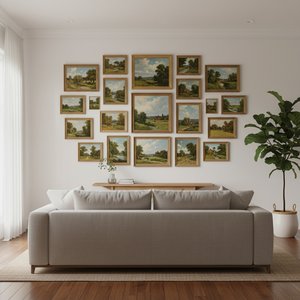
Avastage John Constable'i 25 suurimat teost! Sukeldu inglise maastikumaali romantismisse, imetlege Dedham Vale ilu ja leia inspiratsiooni kodukaunistuseks. Kvaliteetsed kunstireprodutsioonid BuyPopArt.com-is. Vaata kohe!
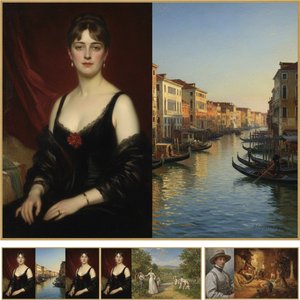
Explore 25 iconic John Singer Sargent paintings – from dazzling portraits to Impressionist landscapes. Discover the stories behind Madame X, El Jaleo & more! Find museum-quality art reproductions and elevate your home decor with BuyPopArt.com.
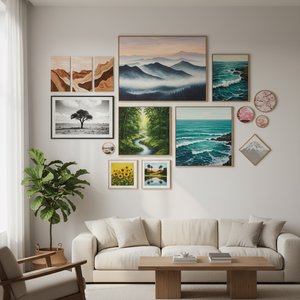
Journey through 10 breathtaking landscape paintings by Monet, Van Gogh & more! Explore iconic artworks, artistic techniques & find inspiration for your home decor. Museum-quality reproductions at BuyPopArt.com. Discover all masterpieces on BuyPopArt.com

Avastage 10 romantilise maastikukunsti meistriteost! Tutvuge Caspar David Friedrichi, J.M.W. Turneri ja teiste suurte kunstnike loominguga BuyPopArt.com-is. Leidke täiuslik õlimaal või reproduktsioon koduks – inspireeriv kollektsioon ootab!

Explore the life & work of Alfred East, a pioneer of British plein air painting. Discover his techniques for capturing atmospheric landscapes, Barbizon influences, and lasting legacy. Learn more at BuyPopArt.


Püsige kursis viimaste kunstiuudistega, eksklusiivsete pakkumistega ja sisustamisideetega.
Kirjeldage meile oma projekti ja meie kunstieksperdid pakuvad teile 3 isikupärast kunstiettepanekut.
Laske meil koostada just teile mõeldud 3 valikut – tasuta!


 Eelvaade
 Saada
Saada Jaga
Jaga
 Teave teose kohta

 Laadi alla
 Sarnased teosed
 Röntgenuuring
 Slaidietendus

 Loe lähemalt




































 Klaasivalik on saadaval ainult suuruses kuni 110 cm


