LithographyBelle Époque Illustration
 191819th Century
 Rahvusvahelise Esimese Maailmasõja Muuseum ja Mälestusmärk
Meie kunstnike poolt tellimusel valmistatud käsitsi maalitud õli-kainaste teos teie soovitud suuruses ja raamis. ( Osta print Osta pilt)





























Vali meie eelmääratud suurused, mis vastavad teose algupärastele proportsioonidele.

Sa võite sisestada oma mõõtmed konkreetse raami või ruumi sobivuse tagamiseks. Kui teie valitud suurus ei vasta originaalpildi proportsioonidele, siis kärvime kunstiteost või laiendame maali täiendavate käsitsi maalitud elementidega. Enne tootmise algust saadetakse teile heakskiitmiseks digitaalne eelvaade.
Palun pidage meeles, et ekraanil kuvatav eelvaade ei kajasta tegelikku kärpimist või laiendamist. Ainult eelvaade näitab täpselt lõplikku kompositsiooni.
Kuigi on saadaval kohandatud suurused, soovitame originaalproportsioonide säilimiseks valida mõõdud eelmääratletud nimekirjast.
Maailmline tarne 3–4 nädala jooksul tavalise 5 nädala asemel. (18 august). Kvaliteedis kompromisse ei tehta.


None
Reproduktsiooni suurus
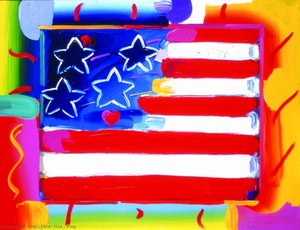
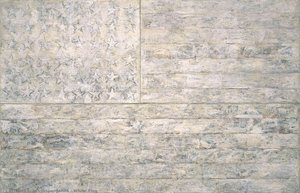
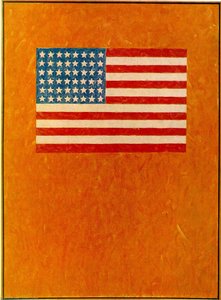
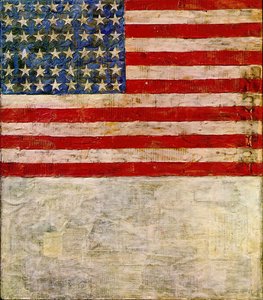
The National WWI Museum and Memorial in Kansas City houses a striking painting by Jules Chéret, titled “None,” which transcends mere visual representation to embody the complex tapestry of Franco-American relations during the tumultuous years leading up to World War I. More than just an image of flags—one American, one French—it’s a carefully considered composition that speaks volumes about anxieties and aspirations shared across the Atlantic.
The historical context is crucial to understanding “None.” The Belle Époque, spanning from 1871 to 1914, was a period of unprecedented optimism in France following the Franco-Prussian War and the subsequent establishment of the Third Republic. However, beneath this veneer of prosperity lurked deep divisions regarding imperial ambitions and colonial expansion—particularly concerning Morocco. Simultaneously, America wrestled with internal debates about isolationism versus engagement in European affairs.
Symbolism: The flags themselves serve as potent symbols. The American flag represents strength, liberty, and republican ideals – values championed by figures like Theodore Roosevelt who advocated for assertive diplomacy. Conversely, the French flag embodies tradition, monarchy (albeit weakened), and a commitment to upholding European order. Their placement side-by-side underscores the precarious balance between these competing visions of the future.
Emotional Impact: “None” isn’t merely aesthetically pleasing; it evokes a palpable sense of apprehension. The stark contrast between the flags—the sheer size of the American flag versus the diminutive French one—suggests a feeling of dominance and vulnerability. Yet, there's also an underlying current of hope – conveyed through the subtle luminosity of the painting – hinting at the possibility that cooperation could avert disaster. It’s a poignant reminder that even amidst grand narratives of power and ambition, art can capture the anxieties and aspirations of ordinary people grappling with momentous decisions.
This artwork offers more than just a visual spectacle; it invites contemplation on the shifting geopolitical landscape of its time and speaks to enduring themes of national identity and international relations. Its masterful execution—particularly Chéret’s innovative use of lithography—solidifies its place as an emblem of the Belle Époque's artistic spirit.

1836 - 1932 , Prantsusmaa

Explore the world of giclée prints with BuyPopArt. Learn about archival quality, aesthetic nuances & investment potential. Expert guidance for discerning art collectors seeking museum-quality reproductions and lasting value.

Explore the rich history & techniques of fine art prints. Discover investment potential, assess authenticity, and learn how to preserve your collection with expert guidance. Trusted insights for discerning collectors.

Explore the captivating world of American Impressionism! Discover key artists, techniques & its lasting impact on art history. Find museum-quality reproductions and expert guidance at BuyPopArt.

Explore the world of Grant Wood & American Regionalism with BuyPopArt. Discover the symbolism behind 'American Gothic', recurring themes, and the movement's lasting impact on art history. High-quality reproductions available.

Discover the enchanting world of lithography through an Impressionist lens. Explore how this timeless technique captures the luminous light and delicate textures of masters like Monet and Renoir, offering a profound way to bring art history into your home with elegance and soul.


Püsige kursis viimaste kunstiuudistega, eksklusiivsete pakkumistega ja sisustamisideetega.
Kirjeldage meile oma projekti ja meie kunstieksperdid pakuvad teile 3 isikupärast kunstiettepanekut.
Laske meil koostada just teile mõeldud 3 valikut – tasuta!


 Eelvaade
 Saada
Saada Jaga
Jaga
 Teave teose kohta

 Laadi alla
 Sarnased teosed
 Röntgenuuring
 Slaidietendus
 Loe lähemalt







 Klaasivalik on saadaval ainult suuruses kuni 110 cm