

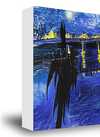
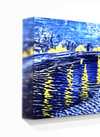
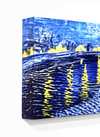
Meie kunstnike poolt tellimusel valmistatud käsitsi maalitud õli-kainaste teos teie soovitud suuruses ja raamis. ( Lülita trükile Vaata pilti)
Vali meie eelmääratud suurused, mis vastavad teose algupärastele proportsioonidele.

Sa võite sisestada oma mõõtmed konkreetse raami või ruumi sobivuse tagamiseks. Kui teie valitud suurus ei vasta originaalpildi proportsioonidele, siis kärvime kunstiteost või laiendame maali täiendavate käsitsi maalitud elementidega. Enne tootmise algust saadetakse teile heakskiitmiseks digitaalne eelvaade.
Palun pidage meeles, et ekraanil kuvatav eelvaade ei kajasta tegelikku kärpimist või laiendamist. Ainult eelvaade näitab täpselt lõplikku kompositsiooni.
Kuigi on saadaval kohandatud suurused, soovitame originaalproportsioonide säilimiseks valida mõõdud eelmääratletud nimekirjast.
Maailmline tarne 3–4 nädala jooksul tavalise 5 nädala asemel. (1 august). Kvaliteedis kompromisse ei tehta.


Mig 28
Reproduktsiooni suurus
The art world often seeks to capture the zeitgeist, the prevailing mood and spirit of an era. K. P. Krishnakumar (1958-1989), a tragically short-lived Indian sculptor and painter, achieved this with unsettling intensity. Born in Kuttippuram, Kerala, amidst a landscape steeped in tradition yet yearning for change, his work became a visceral exploration of identity, displacement, and the lingering shadows of colonialism – themes that resonate powerfully even today. His oeuvre, though limited by his untimely death at just 31, is marked by a raw emotionality and a distinctive visual language that has garnered increasing recognition within contemporary Indian art.
Krishnakumar’s artistic journey began with formal training at Visva-Bharati University in Santiniketan. This institution, founded by Rabindranath Tagore, fostered an environment of experimentation and cross-cultural exchange – a crucial influence on the young artist. He quickly gravitated towards a radical approach, aligning himself with the Indian Radical Painters’ and Sculptors’ Association, a group that challenged established artistic norms and sought to redefine Indian art through engagement with social and political realities. This association, though short-lived following his death, solidified his commitment to using art as a vehicle for critique and transformation.
Krishnakumar’s most recognizable works feature strikingly rendered figures of young men – often depicted in moments of intense contemplation or quiet despair. These aren't idealized heroes; they are vulnerable, haunted individuals, their faces etched with a profound sense of unease. Jhaveri suggests that these figures may function as self-portraits, reflecting Krishnakumar’s own struggles and anxieties. However, the artist himself remained deliberately ambiguous about this interpretation, allowing viewers to project their own experiences onto the sculpted forms.
The technical execution is equally compelling. He favored rough, unconventional materials – wood, stone, and even discarded objects – lending a tactile quality to his sculptures that invites close examination. The figures are often fragmented or incomplete, mirroring the fractured nature of identity in a rapidly changing society. His use of space within the sculpture is also significant; he frequently employs negative space to amplify the emotional impact of the work.
Perhaps Krishnakumar’s most famous piece, *Vasco da Gama* (1985), offers a particularly potent commentary on colonialism. The sculpture depicts the Portuguese explorer confronting an indigenous figure, capturing a moment of uneasy encounter – a visual representation of power dynamics and cultural clashes. Wyma argues that the work isn't simply a historical depiction but rather an exploration of the psychological impact of colonization, portraying not just the physical confrontation but also the underlying sense of subjugation and loss.
The choice of *Vasco da Gama* as subject is deliberate. The Portuguese explorer represents a symbol of European dominance in India, and Krishnakumar’s rendering forces viewers to confront the uncomfortable legacy of colonialism. The sculpture's starkness and emotional intensity serve as a powerful reminder of the human cost of imperial expansion.
Krishnakumar’s artistic vision was shaped by a diverse range of influences, including Pablo Picasso’s exploration of form and emotion, Auguste Rodin’s masterful depiction of human anatomy and psychological depth, and the politically charged cinema of Jean-Luc Godard. These artists demonstrated the power of art to challenge conventions and engage with social issues – principles that Krishnakumar embraced wholeheartedly.
Despite his tragically brief career, K. P. Krishnakumar left an indelible mark on Indian contemporary art. His work continues to be exhibited and studied, prompting critical reflection on themes of identity, colonialism, and the role of art in shaping social consciousness. The Kochi-Muziris Biennale in 2013 provided a significant platform for showcasing his sculptures, ensuring that his voice – a haunting echo of colonial India – would continue to resonate with future generations.

1958 - 1989 , India


Püsige kursis viimaste kunstiuudistega, eksklusiivsete pakkumistega ja sisustamisideetega.
Kirjeldage meile oma projekti ja meie kunstieksperdid pakuvad teile 3 isikupärast kunstiettepanekut.
Laske meil koostada just teile mõeldud 3 valikut – tasuta!


 Eelvaade
 Saada
Saada Jaga
Jaga
 Teave teose kohta

 Laadi alla
 Sarnased teosed
 Röntgenuuring
 Slaidietendus

 Loe lähemalt
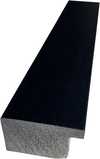
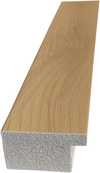
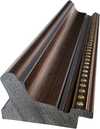
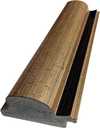
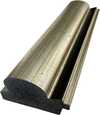
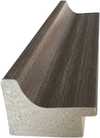
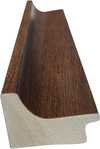
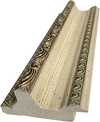
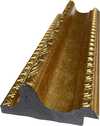
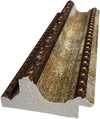
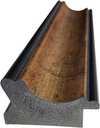
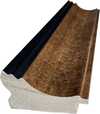
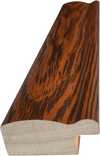
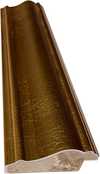

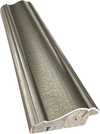
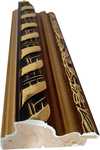
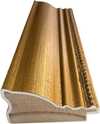
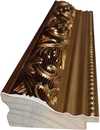
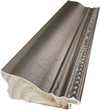
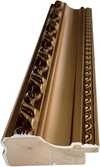

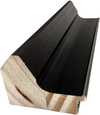
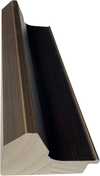
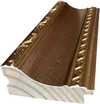
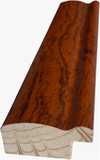
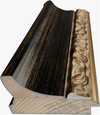
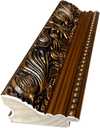
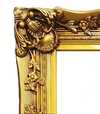
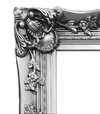
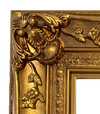
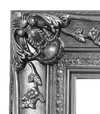
 Klaasivalik on saadaval ainult suuruses kuni 110 cm


