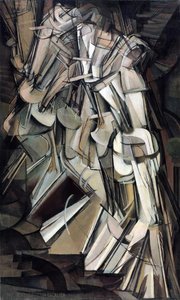
Oil On CanvasWallArtFauvism
 1911Modern
 91.0 x 65.0 cm
Meie kunstnike poolt tellimusel valmistatud käsitsi maalitud õli-kainaste teos teie soovitud suuruses ja raamis. ( Osta print Osta pilt)





























Vali meie eelmääratud suurused, mis vastavad teose algupärastele proportsioonidele.

Sa võite sisestada oma mõõtmed konkreetse raami või ruumi sobivuse tagamiseks. Kui teie valitud suurus ei vasta originaalpildi proportsioonidele, siis kärvime kunstiteost või laiendame maali täiendavate käsitsi maalitud elementidega. Enne tootmise algust saadetakse teile heakskiitmiseks digitaalne eelvaade.
Palun pidage meeles, et ekraanil kuvatav eelvaade ei kajasta tegelikku kärpimist või laiendamist. Ainult eelvaade näitab täpselt lõplikku kompositsiooni.
Kuigi on saadaval kohandatud suurused, soovitame originaalproportsioonide säilimiseks valida mõõdud eelmääratletud nimekirjast.
Maailmline tarne 3–4 nädala jooksul tavalise 5 nädala asemel. (12 august). Kvaliteedis kompromisse ei tehta.


Baptism
Reproduktsiooni suurus
Marcel Duchamp (1887–1968) stands as one of the most influential figures in 20th-century art history, forever altering perceptions of creativity and artistic expression. His journey began in Blainville-Crevon, Normandy, France, where he absorbed the artistic spirit fostered by his family—a tradition that included painters and engravers—and nurtured a boundless imagination.
Initially drawn to Cubism, Duchamp’s early explorations mirrored the stylistic currents of his time. Works like Portrait of Chess Players (1911) demonstrate an acute understanding of fragmented forms and multiple perspectives, reflecting the intellectual fervor of the era. However, he swiftly transcended purely aesthetic considerations, embracing Dadaism and ultimately establishing Conceptual Art as a transformative force.
“Baptism,” created in 1911, exemplifies this multifaceted approach. Painted in oil on canvas and adhering to Fauvist principles—characterized by bold colors and energetic brushstrokes—the artwork transcends mere depiction; it invites contemplation about its symbolic significance.
The composition centers around two women positioned prominently in the foreground, with one seated and the other standing behind her. The subtle gesture of the standing woman—pointing towards something unseen—suggests a dynamic interplay between figures and adds to the overall sense of social interaction. Scattered throughout the background are additional individuals, contributing to an atmosphere of communal celebration.
Beyond its aesthetic vibrancy, “Baptism” reveals Proto-Cubist influences. This transitional phase witnessed artists experimenting with geometric forms and reduced color palettes—a precursor to Cubism’s radical simplification—demonstrating Duchamp's willingness to push artistic boundaries. The painting serves as a bridge between Impressionistic idealism and the geometric precision of Cubism, cementing its place in art history.
“Baptism” continues to resonate with audiences today due to its audacious use of color and form. Its impact extends beyond Duchamp’s oeuvre, influencing subsequent movements like Surrealism and shaping artistic discourse for decades to come. This Fauvist masterpiece stands as a testament to Duchamp's unwavering commitment to innovation—a beacon of creativity that inspires ongoing dialogue about art’s role in society.
The artwork measures 91 x 65 cm and was executed in 1911.
Marcel Duchamp (1887-1968): French-American artist—Cubism, Dada & Conceptual Art pioneer. Revolutionized art with ‘readymades’ like Fountain.
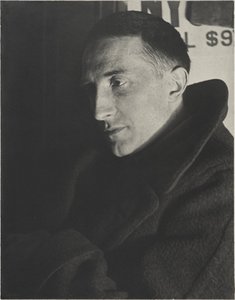
1887 - 1968 , Prantsusmaa

Master the complexities of Cubism with our expert guide. Explore the revolutionary techniques of Picasso, from Analytical to Synthetic Cubism, and learn how to curate these powerful, fragmented perspectives for your private collection.


Püsige kursis viimaste kunstiuudistega, eksklusiivsete pakkumistega ja sisustamisideetega.
Kirjeldage meile oma projekti ja meie kunstieksperdid pakuvad teile 3 isikupärast kunstiettepanekut.
Laske meil koostada just teile mõeldud 3 valikut – tasuta!


 Eelvaade
 Saada
Saada Jaga
Jaga
 Teave teose kohta

 Laadi alla
 Sarnased teosed
 Röntgenuuring
 Slaidietendus
 Loe lähemalt







 Klaasivalik on saadaval ainult suuruses kuni 110 cm