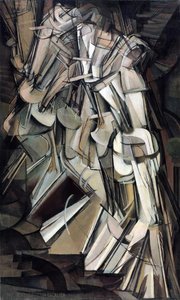
Meie kunstnike poolt tellimusel valmistatud käsitsi maalitud õli-kainaste teos teie soovitud suuruses ja raamis. ( Osta print Osta pilt)





























Vali meie eelmääratud suurused, mis vastavad teose algupärastele proportsioonidele.

Sa võite sisestada oma mõõtmed konkreetse raami või ruumi sobivuse tagamiseks. Kui teie valitud suurus ei vasta originaalpildi proportsioonidele, siis kärvime kunstiteost või laiendame maali täiendavate käsitsi maalitud elementidega. Enne tootmise algust saadetakse teile heakskiitmiseks digitaalne eelvaade.
Palun pidage meeles, et ekraanil kuvatav eelvaade ei kajasta tegelikku kärpimist või laiendamist. Ainult eelvaade näitab täpselt lõplikku kompositsiooni.
Kuigi on saadaval kohandatud suurused, soovitame originaalproportsioonide säilimiseks valida mõõdud eelmääratletud nimekirjast.
Maailmline tarne 3–4 nädala jooksul tavalise 5 nädala asemel. (18 august). Kvaliteedis kompromisse ei tehta.


Pulled at Four Pins
Reproduktsiooni suurus
Marcel Duchamp's “Pulled at Four Pins,” created in 1964, isn’t merely a drawing; it’s a deliberate provocation—a cornerstone of Conceptual Art and a testament to the artist’s unwavering challenge of artistic conventions. This seemingly simple piece, executed on pale cream Magnani-wove paper with pencil or charcoal, embodies Duchamp's core philosophy: elevating commonplace objects to the realm of art through conceptual intervention.
The artwork’s composition centers around a cylindrical metal bucket—a readily available item transformed into an artistic statement. Lines dominate the visual language, varying in weight and thickness to convey spontaneity and expressive gesture rather than meticulous accuracy. Duchamp's technique reflects this approach; he eschewed traditional rendering methods, prioritizing conceptual thought over technical skill. The resulting texture is that of paper itself, subtly grained, hinting at the immediacy of the artist’s process.
“Pulled at Four Pins” exemplifies Duchamp's embrace of the readymade concept—a radical notion championed by Dada artists that questioned the very definition of art. As Tomkins eloquently describes, “This was what Duchamp liked about it - the words, making no sense and having no relation to the visual image, could lead the mind in unpredictable directions.” The title itself is deliberately ambiguous, referencing both the literal act of pulling pins and a broader exploration of complexity—a preoccupation evident throughout Duchamp’s oeuvre.
Duchamp’s work emerged from the turbulent milieu of Dadaism, an anti-establishment movement born in Zurich during World War I. Dada artists rejected logic and reason, embracing absurdity and chance as artistic tools—a reaction to the horrors of the conflict and a critique of bourgeois values. “Pulled at Four Pins” aligns perfectly with this spirit of rebellion, mirroring Duchamp’s broader ambition to dismantle accepted artistic hierarchies.
"Pulled at Four Pins" stands as an enduring symbol of Duchamp's groundbreaking contribution to art history. Its understated execution belies its profound philosophical implications—a reminder that true artistry resides not in skillful representation but in questioning fundamental assumptions about creativity and beauty. This artwork continues to inspire artists and collectors alike, prompting contemplation on the role of intention and the transformative power of conceptual thought.


1887 - 1968 , Prantsusmaa

Master the high-impact world of etching. Explore the transformative power of line and shadow through the intaglio tradition, from its armor-making origins to modern collecting strategies for the sophisticated art enthusiast.

Dive into the raw rebellion of Dadaism. Explore how this anti-art movement used chaos and nonsense to shatter tradition, paving the way for Surrealism and modern pop culture. Discover the bold spirit that redefined creativity forever.

Elevate your space with the ultimate power move: Conceptual Art. Discover how prioritizing ideas over aesthetics can transform your interior into a bold, intellectual statement of modern design and cultural authority.

Master the art of calm with our trend forecast on minimalist decor. Discover how to curate high-impact, low-stimulus spaces using geometric sculptures, monochrome palettes, and modern abstract works for a sophisticated, zen-inspired lifestyle.


Püsige kursis viimaste kunstiuudistega, eksklusiivsete pakkumistega ja sisustamisideetega.
Kirjeldage meile oma projekti ja meie kunstieksperdid pakuvad teile 3 isikupärast kunstiettepanekut.
Laske meil koostada just teile mõeldud 3 valikut – tasuta!


 Eelvaade
 Saada
Saada Jaga
Jaga
 Teave teose kohta

 Laadi alla
 Sarnased teosed
 Röntgenuuring
 Slaidietendus
 Loe lähemalt







 Klaasivalik on saadaval ainult suuruses kuni 110 cm