

Ostke kõrglahutusel ja täiustatud digitaalne pilt, mis on oluliselt parem kui veebilehel näidatud eelvaade.
Iga fail on meie spetsialistide poolt hoolikalt ette valmistatud, kasutades kaasaegseid tööriistu ja professionaalset käsitsi retušeerimist. Tagame, et igal pildil on erakordne selgus, täpne värvitäpsus ja peen detail.
Lõplik fail saadetakse e-posti teel 72 tunni jooksul, olles optimeeritud koheseks kasutamiseks professionaalsetes, toimetuslikes ja trüki keskkondades. See on sama kvaliteet, mida usaldavad tipptasemel disainistuudiod, kirjastused ja galeriid.
Laadi alla kõrge resolutsiooniga fail isiklikuks vaatamiseks, trükkimiseks ja loomingulisteks projektideks. ( Lülita trükile Lülita käsitsi maalatud版本le)
Valides BuyPopArt.com, ei saa sa lihtsalt pilti – saad professionaalselt parandatud digitaalse teose, mida on valmistatud täpsusega ja mis on toetatud rahuldamatusgarantiiga. Siin on kõik, mis sinu tellimusega automaatselt kaasneb:

Teie kõrge resolutsiooniga digitaalne pildifail saadetakse teile e-posti 72 tunni jooksul pärast tellimist – kohe kasutamiseks valmis.

Teie teos on professionaalselt optimeeritud arenenud tehisintellekti tööriistade ja käsitsi redigeerimise abil, tagades maksimaalse detailitaseme, selguse ja värvitäpsuse.

Kas kustutasid faili kogukalu unustamisel või kustutamisel? Puudub mure – saad selle uuesti igal ajal ilma lisatasuta.

Nautige oma teoseid koheselt ilma tolli-, maksude või tarnimaskuludeta – digiletchargused on alati maksuvabadud.

Me tagame, et teie digitaalne pilt kajastaks originaali värve professionaalsete tööriistade ja värvihalduse abil võimalikult täpselt.

Kui te ei ole oma digipildiga rahul, parandame seda või tagastame 100% summast 60 päeva jooksul – küsimusi ei esita.

Ei ole rahul? Saate täielise tagastaja 60 päeva jooksul pärast digitaalse faili kättesaamist – küsimata.

Osta 3 pilti, säästa 10% - Osta 5, säästa 15% - Osta 10+, säästa 20%. Sobib suurepäraselt loomingulisteks projektideks, galeriideks ja agentuurideks.
Mark Rothko's "Memory," painted in 1946, isn’t merely a depiction of a scene; it’s an immersion. This monumental abstract expressionist canvas, currently residing within the National Gallery of Art’s collection, invites viewers to confront the complexities of remembrance and the elusive nature of experience itself. Rothko, born Markus Yakovlevich Rothkowitz in Dvinsk, Latvia, carried with him from his early life a profound sense of displacement – a legacy shaped by the turbulent atmosphere of the Pale of Settlement and the subsequent immigration to Portland, Oregon. This inherent sensitivity to human suffering would become a defining characteristic of his work, informing his exploration of existential themes through color and form.
The painting’s foundation is deceptively simple: a vast field of crimson dominates the composition, punctuated by layered rectangles of muted blues and browns. However, this apparent simplicity belies an intricate web of emotional resonance. Rothko wasn't interested in literal representation; instead, he sought to evoke pure feeling through color fields. He described his process as “making blocks of color,” aiming to create a meditative space where the viewer could lose themselves within the painting’s depths. The red, often associated with passion, energy, and even violence – perhaps echoing the anxieties of his early life – acts as an anchor, grounding the composition while simultaneously radiating outward.
Rothko’s technique was revolutionary for its time. He applied paint in incredibly thin layers, often just a few coats, creating a luminous surface that seemed to glow from within. This layering process, known as “velvet,” resulted in an almost tactile quality – the viewer can practically feel the texture of the paint. The colors themselves are not blended; rather, they sit adjacent to one another, allowing them to bleed subtly into each other, creating a sense of atmospheric depth and movement. He meticulously controlled the edges of his rectangles, often leaving them slightly undefined, contributing to the painting’s ethereal quality. This deliberate lack of sharp boundaries encourages the eye to wander and explore, mirroring the way memories themselves can shift and morph over time.
While Rothko vehemently resisted any attempt to interpret his paintings literally, “Memory” undeniably speaks to the act of remembering. The layered rectangles can be seen as representing fragments of recollections – shards of experience that coalesce into a larger, more complex whole. The blues suggest melancholy and introspection, while the browns evoke a sense of grounding and stability. The central figure, often described as resembling a woman or an angel, isn’t explicitly defined but rather serves as a focal point for contemplation—a vessel through which the viewer can project their own memories and emotions. It's not about recalling a specific event, but about accessing the *feeling* of remembrance – that bittersweet blend of joy and sorrow that accompanies our recollections.
“Memory” stands as a powerful testament to Rothko’s ability to translate profound emotional experiences into visual form. It's a painting that demands patience, contemplation, and an openness to feeling. Its enduring appeal lies in its capacity to resonate with each viewer on a deeply personal level, prompting us to reflect on our own memories and the complex tapestry of human experience. Today, high-quality reproductions of this iconic work offer art lovers the opportunity to bring Rothko’s evocative vision into their homes, creating spaces that are both visually stunning and emotionally resonant. Consider a hand-painted reproduction – a faithful recreation of Rothko's masterful use of color and texture, allowing you to experience the painting's profound impact in your own environment.
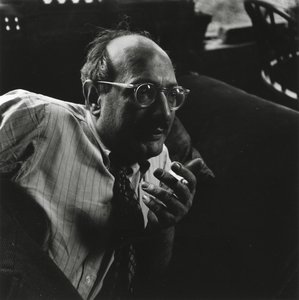
1903 - 1970 , Läti


Püsige kursis viimaste kunstiuudistega, eksklusiivsete pakkumistega ja sisustamisideetega.
Kirjeldage meile oma projekti ja meie kunstieksperdid pakuvad teile 3 isikupärast kunstiettepanekut.
Laske meil koostada just teile mõeldud 3 valikut – tasuta!


 Eelvaade
 Saada
Saada Jaga
Jaga
 Teave teose kohta

 Laadi alla
 Sarnased teosed
 Röntgenuuring
 Slaidietendus
 Loe lähemalt