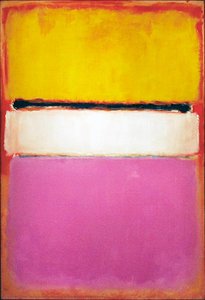
Muuseumikvaliteediga giclée- või kangasprint kiire tootmisega ja paindlikud viimistlusvõimalused. ( Osta käsitsi maalitud maal Osta pilt)





























Vali meie eelmääratud suurused, mis vastavad teose algupärastele proportsioonidele.

Saate sisestada oma mõõdud, et need sobiks konkreetse raami või ruumi sisse. Kui valitud suurus ei vasta originaalteose proportsioonidele, lõigame teose ära või laiendame pilti peegeldatud või ühtlase servaga. Enne tootmisprotsessi algust saadetakse Teie kinnitamiseks digitaalne näidis.
Palun märka, et ekraanil kuvatav eelvaade ei kajasta tegelikku lõigamist või laiendamist. Ainult näidis kujutab täpselt lõplikku kompositsiooni.
Kuigi erimõõdu on saadaval, soovitame originaaproportsioonide säilitamiseks valida mõõt ette määratud nimekirjast.
Ülemaailmne tarne () 2 nädala jooksul, tavalise 4/5 nädala asemel. (13 august)


Untitled 59
Reproduktsiooni suurus
Mark Rothko (1903 – 1970), born Markus Yakovlevich Rothkowitz in Dvinsk, Latvia, stands as a monumental figure in Abstract Expressionism. His life was marked by early trauma—the loss of his father during the family’s emigration to Portland, Oregon—and a lifelong preoccupation with confronting existential anxieties. These experiences profoundly influenced his artistic vision, propelling him toward a singular approach that prioritized conveying emotion through the deliberate orchestration of color.
Rothko’s distinctive style hinged on meticulous attention to material properties. He favored layering thin washes of color onto canvas, creating luminous blocks that seemed to emanate from within. This technique—often described as “absorption”—involved applying pigment in multiple layers, allowing it to seep into the fabric and achieve a velvety surface texture. The careful selection of pigments—primarily reds, yellows, and blues—was paramount; Rothko painstakingly calibrated their hues and saturations to evoke specific feelings.
Rothko’s paintings transcend mere visual aesthetics; they are imbued with profound symbolic significance. Critics have interpreted his works as meditations on spirituality, grief, and the human condition. The monumental scale of his canvases—often reaching several feet in height—creates an immersive experience for viewers, inviting contemplation and emotional engagement.
Rothko emerged during the crucible of Abstract Expressionism—a movement that revolutionized American painting in the postwar era. Artists like Jackson Pollock and Willem de Kooning embraced spontaneity and gesture, rejecting academic conventions in favor of visceral expression. Rothko’s unwavering commitment to color field painting distinguished him from his contemporaries and solidified his place as one of the most influential figures in 20th-century art.
Rothko’s legacy extends beyond the realm of art history; his work embodies a timeless quest for beauty and meaning—a testament to the transformative potential of artistic vision.
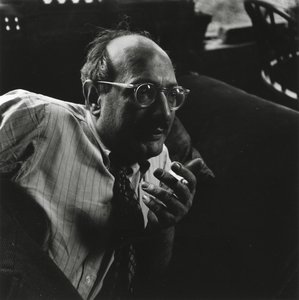
1903 - 1970 , Läti
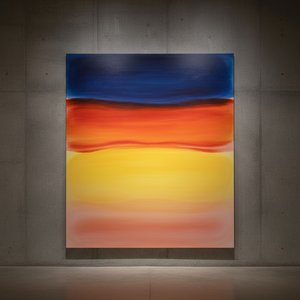
Explore the profound emotional depth of Mark Rothko's abstract expressionism. Discover the history, techniques & lasting impact of this pivotal Color Field painter. Expert insights for collectors and art enthusiasts.
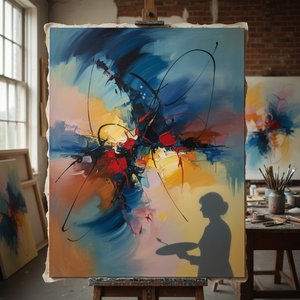
Explore the captivating world of Beatrice Parsons, a pioneering British abstract expressionist. Discover her journey from garden watercolors to evocative color field paintings and learn about her place within art history.
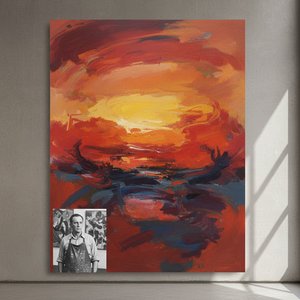
Explore the life & work of Jacob Kainen, a pivotal figure in American Abstract Expressionism and Color Field painting. Discover his journey from Social Realism to vibrant abstraction and lasting influence on 20th-century art.

Explore the captivating world of Paul Jenkins, a pioneer of abstract expressionism & color field painting. Discover his unique ‘Phenomena’ series and investment potential for art collectors. Expert insights at BuyPopArt.
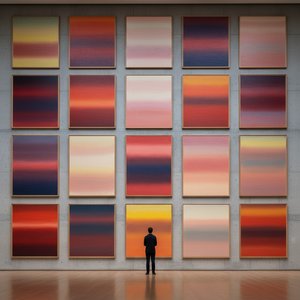
Avastage Mark Rothko 25 parimat teost! Sukelduge ekspressionismi sügavustesse, emotsionaalsetesse värvimaalid ja kunstniku lugudesse. Leidke täiuslik seinakaunistus BuyPopArt.com-ist – kvaliteetsed reproduktsioonid ja interjööride inspiratsioon.


Püsige kursis viimaste kunstiuudistega, eksklusiivsete pakkumistega ja sisustamisideetega.
Kirjeldage meile oma projekti ja meie kunstieksperdid pakuvad teile 3 isikupärast kunstiettepanekut.
Laske meil koostada just teile mõeldud 3 valikut – tasuta!


 Eelvaade
 Saada
Saada Jaga
Jaga
 Teave teose kohta

 Laadi alla
 Sarnased teosed
 Röntgenuuring
 Slaidietendus
 Loe lähemalt







 Klaasivalik on saadaval ainult suuruses kuni 110 cm