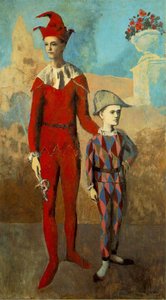
Muuseumikvaliteediga giclée- või kangasprint kiire tootmisega ja paindlikud viimistlusvõimalused. ( Lülita käsitsi maalatud版本le Vaata pilti)
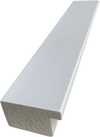
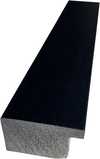
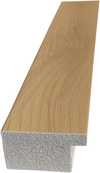
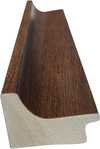
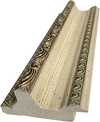
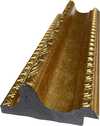
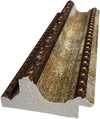
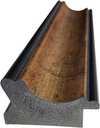
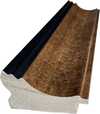
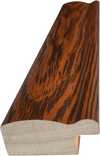
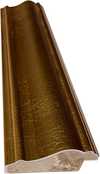
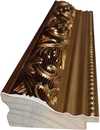
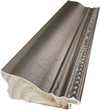
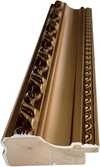
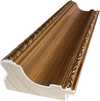
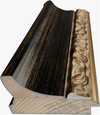
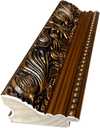
Vali meie eelmääratud suurused, mis vastavad teose algupärastele proportsioonidele.

Saate sisestada oma mõõdud, et need sobiks konkreetse raami või ruumi sisse. Kui valitud suurus ei vasta originaalteose proportsioonidele, lõigame teose ära või laiendame pilti peegeldatud või ühtlase servaga. Enne tootmisprotsessi algust saadetakse Teie kinnitamiseks digitaalne näidis.
Palun märka, et ekraanil kuvatav eelvaade ei kajasta tegelikku lõigamist või laiendamist. Ainult näidis kujutab täpselt lõplikku kompositsiooni.
Kuigi erimõõdu on saadaval, soovitame originaaproportsioonide säilitamiseks valida mõõt ette määratud nimekirjast.
Ülemaailmne tarne () 2 nädala jooksul, tavalise 4/5 nädala asemel. (2 august)


Claude writing
Reproduktsiooni suurus
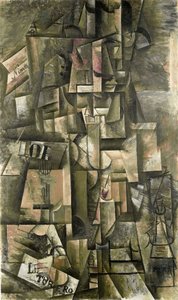
Pablo Picasso’s Claude Writing stands as a poignant emblem of Surrealist exploration and Cubist innovation—a deceptively simple portrait that unveils layers of psychological depth and artistic experimentation.
Created in 1913 during Picasso’s fervent embrace of Synthetic Cubism, this artwork transcends mere representation. It's less about capturing an objective likeness and more about conveying a state of mind; the young boy depicted is absorbed in contemplation, his hands pressed against his face—a gesture universally understood as one of vulnerability and introspection.
The stylistic choices are deliberate and groundbreaking. Picasso employs collage extensively, incorporating fragments of newspaper into the canvas to generate texture and depth. This technique wasn’t merely decorative; it mirrored the Surrealist preoccupation with juxtaposing disparate elements to provoke subconscious associations—a visual echo of Freud's psychoanalytic theories.
Furthermore, Picasso adheres rigorously to Cubist principles. The head dominates the composition, rendered in fractured planes that defy traditional perspective. This fragmentation isn’t random; it reflects Picasso’s desire to dismantle illusion and reveal underlying structure – mirroring the broader artistic movement’s rejection of academic conventions.
The muted palette—primarily greens and browns—contributes to the painting's melancholic atmosphere. These colors evoke feelings of solitude and contemplation, aligning with the psychological themes prevalent in Surrealist art. The artist’s masterful use of light and shadow enhances this sense of drama, guiding the viewer’s gaze toward the boy’s face and emphasizing his emotional expression.
Picasso's Claude Writing isn’t merely a visual depiction; it’s an invitation to delve into the complexities of human emotion and artistic innovation—a testament to Picasso's enduring legacy as one of the most influential artists of the 20th century.
To learn more about cubism and its impact on modern art, visit Pablo Picasso on BuyPopArt.
For a deeper understanding of cubism and its influence on artistic expression, explore Cubism on Wikipedia.
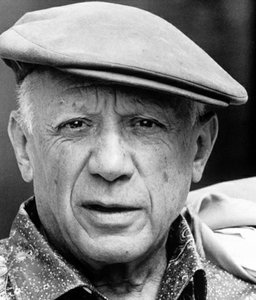
1881 - 1973 , Hispaania

Explore the history of Academic painting – its techniques, ideology & lasting influence on art. Discover key artists, movements & the Salon system. A comprehensive guide for art enthusiasts.

Sukeldu kubismi maailma! Avasta 10 legendaarset meistriteost – Picasso, Braque jt. – mis muutis kunsti ajaloja. Tutvu kunstnike lugudega ja leid inspiratsiooni oma sisustuseks BuyPopArt.com-ist!

Explore 10 revolutionary Cubist portraits by Picasso, Braque & more! Discover the stories behind these iconic paintings and how they shaped modern art. Find museum-quality reproductions to elevate your home decor on BuyPopArt.com.

Avastage Georges Braque 25 ikoonilist teost! Sukeldu kubismi maailma, modernse kunsti geomeetrilistesse vormidesse ja värvikates maalidess. Leia inspiratsiooni interjööri kujunduseks BuyPopArt.com-is. Kunstikollektsioonid ja kvaliteetsed reproduktsioonid.

Transform cherished photos into timeless oil paintings with skilled artists. Trusted for bespoke portraits & heirloom art. Discover the process, styles & lasting value – a legacy preserved.


Püsige kursis viimaste kunstiuudistega, eksklusiivsete pakkumistega ja sisustamisideetega.
Kirjeldage meile oma projekti ja meie kunstieksperdid pakuvad teile 3 isikupärast kunstiettepanekut.
Laske meil koostada just teile mõeldud 3 valikut – tasuta!


 Eelvaade
 Saada
Saada Jaga
Jaga
 Teave teose kohta

 Laadi alla
 Sarnased teosed
 Röntgenuuring
 Slaidietendus

 Loe lähemalt
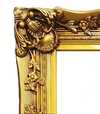
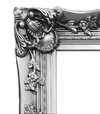
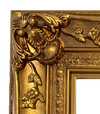
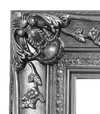
 Klaasivalik on saadaval ainult suuruses kuni 110 cm