

Ostke kõrglahutusel ja täiustatud digitaalne pilt, mis on oluliselt parem kui veebilehel näidatud eelvaade.
Iga fail on meie spetsialistide poolt hoolikalt ette valmistatud, kasutades kaasaegseid tööriistu ja professionaalset käsitsi retušeerimist. Tagame, et igal pildil on erakordne selgus, täpne värvitäpsus ja peen detail.
Lõplik fail saadetakse e-posti teel 72 tunni jooksul, olles optimeeritud koheseks kasutamiseks professionaalsetes, toimetuslikes ja trüki keskkondades. See on sama kvaliteet, mida usaldavad tipptasemel disainistuudiod, kirjastused ja galeriid.
Laadi alla kõrge resolutsiooniga fail isiklikuks vaatamiseks, trükkimiseks ja loomingulisteks projektideks. ( Osta print Osta käsitsi maalitud maal)
Valides BuyPopArt.com, ei saa sa lihtsalt pilti – saad professionaalselt parandatud digitaalse teose, mida on valmistatud täpsusega ja mis on toetatud rahuldamatusgarantiiga. Siin on kõik, mis sinu tellimusega automaatselt kaasneb:

Teie kõrge resolutsiooniga digitaalne pildifail saadetakse teile e-posti 72 tunni jooksul pärast tellimist – kohe kasutamiseks valmis.

Teie teos on professionaalselt optimeeritud arenenud tehisintellekti tööriistade ja käsitsi redigeerimise abil, tagades maksimaalse detailitaseme, selguse ja värvitäpsuse.

Kas kustutasid faili kogukalu unustamisel või kustutamisel? Puudub mure – saad selle uuesti igal ajal ilma lisatasuta.

Nautige oma teoseid koheselt ilma tolli-, maksude või tarnimaskuludeta – digiletchargused on alati maksuvabadud.

Me tagame, et teie digitaalne pilt kajastaks originaali värve professionaalsete tööriistade ja värvihalduse abil võimalikult täpselt.

Kui te ei ole oma digipildiga rahul, parandame seda või tagastame 100% summast 60 päeva jooksul – küsimusi ei esita.

Ei ole rahul? Saate täielise tagastaja 60 päeva jooksul pärast digitaalse faili kättesaamist – küsimata.

Osta 3 pilti, säästa 10% - Osta 5, säästa 15% - Osta 10+, säästa 20%. Sobib suurepäraselt loomingulisteks projektideks, galeriideks ja agentuurideks.
Pablo Picasso's 1949 lithograph, "Peace," isn’t merely a depiction of a dove; it’s an embodiment of hope forged in the crucible of wartime devastation. Born from a commission for the Paris International Exposition, this work transcends its initial purpose as a poster to become one of the most enduring and universally recognized symbols of peace ever created. Picasso, deeply affected by the horrors of World War II and the burgeoning threat of nuclear conflict, responded with an image that resonated far beyond the confines of political discourse – a simple, yet profoundly moving representation of serenity amidst chaos.
The genesis of this iconic piece is inextricably linked to Picasso’s lifelong fascination with birds. Throughout his career, he frequently depicted them, often imbued with symbolic weight. His early association with Henri Matisse, who gifted him a snow-white pigeon – the model for this particular “Dove of Peace” – cemented this connection. This wasn't simply an artistic whim; it was a deliberate choice to utilize a creature universally associated with gentleness, freedom, and innocence. The selection of a dove as the emblem for peace speaks volumes about Picasso’s belief in the potential for harmony and reconciliation, even in the darkest of times.
Unlike the more detailed and expressive “Dove of Peace” created in 1949, this particular iteration is strikingly minimalist. The composition relies heavily on stark black lines against a white background, creating an almost graphic quality. The dove itself is rendered with a simplified, almost childlike style – a deliberate choice that elevates its symbolic power. It’s not a realistic depiction; rather, it's a distilled essence of peace, instantly recognizable and universally understood.
The creation of “Peace” occurred in the aftermath of World War II, a period marked by unprecedented global conflict and widespread suffering. Picasso’s earlier masterpiece, *Guernica* (1937), painted in response to the bombing of the Basque town of Guernica during the Spanish Civil War, served as a powerful indictment of violence and destruction. The trauma of this event deeply affected Picasso, fueling his desire to create an image that offered a counterpoint to the horrors he had witnessed. “Peace,” therefore, can be seen as a direct response to *Guernica*, representing a yearning for reconciliation and a rejection of war’s devastating consequences.
The timing of its creation – 1949 – coincided with the United Nations' establishment and the growing international movement advocating for peace. Picasso’s image was adopted as an emblem by various peace organizations, further amplifying its message and solidifying its place in the global consciousness. It became a visual shorthand for hope amidst uncertainty, a reminder of humanity’s capacity for compassion and cooperation.
“Peace” is more than just an image; it's a testament to the power of art to transcend political boundaries and speak directly to the human spirit. Its simplicity, combined with its profound symbolism, has ensured its continued relevance across generations. Today, it remains one of the most recognizable symbols of peace in the world – a poignant reminder that even in times of conflict, the pursuit of harmony is always possible. Reproductions of this iconic lithograph continue to be sought after by collectors and interior designers alike, offering a tangible connection to a powerful message of hope and reconciliation.
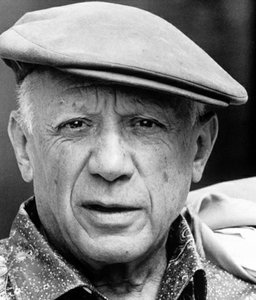
1881 - 1973 , Hispaania


Püsige kursis viimaste kunstiuudistega, eksklusiivsete pakkumistega ja sisustamisideetega.
Kirjeldage meile oma projekti ja meie kunstieksperdid pakuvad teile 3 isikupärast kunstiettepanekut.
Laske meil koostada just teile mõeldud 3 valikut – tasuta!


 Eelvaade
 Saada
Saada Jaga
Jaga
 Teave teose kohta

 Laadi alla
 Sarnased teosed
 Röntgenuuring
 Slaidietendus
 Loe lähemalt