

 Õlimaal kangaruumilSeinakunstPost-Impressionism
 187519. sajand
 38.0 x 46.0 cm
Ostke kõrglahutusel ja täiustatud digitaalne pilt, mis on oluliselt parem kui veebilehel näidatud eelvaade.
Iga fail on meie spetsialistide poolt hoolikalt ette valmistatud, kasutades kaasaegseid tööriistu ja professionaalset käsitsi retušeerimist. Tagame, et igal pildil on erakordne selgus, täpne värvitäpsus ja peen detail.
Lõplik fail saadetakse e-posti teel 72 tunni jooksul, olles optimeeritud koheseks kasutamiseks professionaalsetes, toimetuslikes ja trüki keskkondades. See on sama kvaliteet, mida usaldavad tipptasemel disainistuudiod, kirjastused ja galeriid.
Laadi alla kõrge resolutsiooniga fail isiklikuks vaatamiseks, trükkimiseks ja loomingulisteks projektideks. ( Osta print Osta käsitsi maalitud maal)
Valides BuyPopArt.com, ei saa sa lihtsalt pilti – saad professionaalselt parandatud digitaalse teose, mida on valmistatud täpsusega ja mis on toetatud rahuldamatusgarantiiga. Siin on kõik, mis sinu tellimusega automaatselt kaasneb:

Teie kõrge resolutsiooniga digitaalne pildifail saadetakse teile e-posti 72 tunni jooksul pärast tellimist – kohe kasutamiseks valmis.

Teie teos on professionaalselt optimeeritud arenenud tehisintellekti tööriistade ja käsitsi redigeerimise abil, tagades maksimaalse detailitaseme, selguse ja värvitäpsuse.

Kas kustutasid faili kogukalu unustamisel või kustutamisel? Puudub mure – saad selle uuesti igal ajal ilma lisatasuta.

Nautige oma teoseid koheselt ilma tolli-, maksude või tarnimaskuludeta – digiletchargused on alati maksuvabadud.

Me tagame, et teie digitaalne pilt kajastaks originaali värve professionaalsete tööriistade ja värvihalduse abil võimalikult täpselt.

Kui te ei ole oma digipildiga rahul, parandame seda või tagastame 100% summast 60 päeva jooksul – küsimusi ei esita.

Ei ole rahul? Saate täielise tagastaja 60 päeva jooksul pärast digitaalse faili kättesaamist – küsimata.

Osta 3 pilti, säästa 10% - Osta 5, säästa 15% - Osta 10+, säästa 20%. Sobib suurepäraselt loomingulisteks projektideks, galeriideks ja agentuurideks.
Paul Cézanne’s “Bathers,” painted in 1875, isn’t merely a depiction of nude figures; it is an exploration of form, space, and the very essence of observation. This work, residing within the collection of the Metropolitan Museum of Art, stands as a pivotal moment in Cézanne's artistic journey, bridging the fleeting impressions of Impressionism with the nascent geometric explorations that would later define Cubism. The painting presents five women immersed in a natural setting—a riverbank or beach bathed in soft light—their bodies rendered not with photographic realism but with a deliberate simplification and structural emphasis. It’s a scene seemingly imbued with tranquility, yet beneath this surface lies a complex interplay of artistic innovation.
Cézanne began his career deeply influenced by the Impressionist movement, evident in the vibrant palette and loose brushwork initially employed. However, "Bathers" marks a departure from the purely optical concerns of artists like Monet or Renoir. While retaining a sense of atmosphere through color, Cézanne’s focus shifts inward—towards understanding the underlying structure of his subjects and their environment. He wasn't simply capturing what he *saw*, but rather attempting to represent how he *understood* it. The umbrellas scattered throughout the scene aren't just decorative elements; they serve as compositional devices, creating depth and guiding the viewer’s eye through the landscape. The presence of a bird adds a touch of naturalism, grounding the figures within their surroundings while subtly hinting at the broader world beyond.
Cézanne's technique in "Bathers" is characterized by his distinctive application of paint. He doesn’t blend colors smoothly; instead, he applies small, distinct brushstrokes that build up to create a sense of texture and volume. This method, seemingly rudimentary at first glance, is crucial to the painting’s overall effect. The planes of color interact with one another, creating subtle shifts in tone and shadow that define the forms of the women and the landscape. Notice how he uses variations in green and brown to suggest the foliage behind them, or how the blues and whites of the water shimmer with an almost palpable light. This approach anticipates the later Cubist fragmentation of form, where objects are broken down into geometric components and reassembled on the canvas.
While seemingly straightforward in its subject matter, "Bathers" carries a subtle symbolic weight. The nude figures, common in classical art, represent not just physical beauty but also an idealized connection to nature—a return to primal simplicity and harmony. Cézanne’s deliberate rendering of the women, however, avoids any overt sensuality. Instead, they appear as archetypal forms, embodiments of feminine grace rather than individual portraits. The overall mood is one of quiet contemplation; a sense of peaceful solitude pervades the scene. The painting invites viewers to pause and reflect on the beauty of the natural world and the enduring power of human form—a testament to Cézanne’s ability to transform everyday observation into profound artistic expression.
“Bathers” was initially met with mixed reactions, but its significance has grown exponentially over time. It represents a crucial turning point in art history, demonstrating Cézanne's pioneering efforts to move beyond the purely representational and towards a more conceptual understanding of form and space. His influence on subsequent generations of artists—from Matisse and Picasso to countless others—is undeniable. The painting’s enduring appeal lies not only in its aesthetic beauty but also in its ability to provoke thought and inspire new ways of seeing the world, solidifying Cézanne's place as a true visionary.
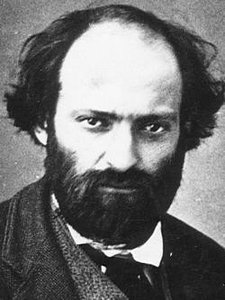
1839 - 1906 , Prantsusmaa


Püsige kursis viimaste kunstiuudistega, eksklusiivsete pakkumistega ja sisustamisideetega.
Kirjeldage meile oma projekti ja meie kunstieksperdid pakuvad teile 3 isikupärast kunstiettepanekut.
Laske meil koostada just teile mõeldud 3 valikut – tasuta!


 Eelvaade
 Saada
Saada Jaga
Jaga
 Teave teose kohta

 Laadi alla
 Sarnased teosed
 Röntgenuuring
 Slaidietendus
 Loe lähemalt