Muuseumikvaliteediga giclée- või kangasprint kiire tootmisega ja paindlikud viimistlusvõimalused. ( Osta käsitsi maalitud maal Osta pilt)





























Vali meie eelmääratud suurused, mis vastavad teose algupärastele proportsioonidele.

Saate sisestada oma mõõdud, et need sobiks konkreetse raami või ruumi sisse. Kui valitud suurus ei vasta originaalteose proportsioonidele, lõigame teose ära või laiendame pilti peegeldatud või ühtlase servaga. Enne tootmisprotsessi algust saadetakse Teie kinnitamiseks digitaalne näidis.
Palun märka, et ekraanil kuvatav eelvaade ei kajasta tegelikku lõigamist või laiendamist. Ainult näidis kujutab täpselt lõplikku kompositsiooni.
Kuigi erimõõdu on saadaval, soovitame originaaproportsioonide säilitamiseks valida mõõt ette määratud nimekirjast.
Ülemaailmne tarne () 2 nädala jooksul, tavalise 4/5 nädala asemel. (15 august)


Forest
Reproduktsiooni suurus
Piet Mondrian's early artistic explorations were rooted in the traditions of Dutch landscape painting, influenced by luminism and Impressionism. Yet, even amidst these formative influences, a subtle yearning for simplification persisted—a desire to distill nature’s essence into its purest form. *Woods near Oele*, painted in 1908, stands as a pivotal piece during this transitional phase, marking Mondrian's nascent departure from representational art and foreshadowing his groundbreaking embrace of abstraction.
Like many Dutch artists of the time—Jan Toorop and Jan Sluijters—Mondrian initially studied nature diligently, mastering technique while simultaneously searching for something beyond mere visual depiction. The Hague School’s meticulous observation of light and color served as a crucial foundation for his developing aesthetic sensibilities. However, Mondrian wasn't merely mirroring the world; he sought to capture its underlying harmony and rhythm – a quest that would ultimately propel him toward radically new artistic horizons.
Early experiments with Pointillism and Fauvism exposed Mondrian to diverse approaches to color and form, each offering valuable insights into expressive possibilities. Yet, none fully satisfied his burgeoning artistic vision. He recognized the limitations of Impressionist techniques in conveying deeper emotional truths—a realization that fueled his determination to forge a path distinct from established conventions.
This canvas embodies Mondrian's initial foray into abstraction, characterized by bold vertical and diagonal lines – a stylistic precursor to his iconic De Stijl style. The painting captures the serene beauty of the Oele forest, rendered with careful attention to texture and tonal gradation. Notably, it reflects influences from luminism and Impressionism, demonstrating Mondrian’s ongoing engagement with traditional artistic methods while simultaneously hinting at his impending embrace of geometric abstraction.
The composition is balanced and harmonious, reflecting Mondrian’s belief in universal order. The muted color palette contributes to the painting’s tranquil atmosphere—a deliberate choice that underscores its role as a stepping stone toward his revolutionary style. *Woods near Oele* isn’t merely a landscape; it's an emblem of Mondrian’s artistic journey – a testament to his unwavering pursuit of simplification and geometric precision.
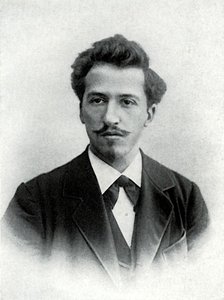
1872 - 1944 , Holland

Discover the power of Neo-Abstract art. Explore how bold geometric forms and high-impact visual energy are redefining modern design. Learn to curate sophisticated, high-energy spaces with the latest trends in contemporary abstraction and structural color.

Discover the high-impact world of Geometric Abstraction. From Cubist roots to modern urban trends, explore how bold shapes and colors redefine contemporary design. Elevate your space with expert art insights and custom-made abstract masterpieces.


Püsige kursis viimaste kunstiuudistega, eksklusiivsete pakkumistega ja sisustamisideetega.
Kirjeldage meile oma projekti ja meie kunstieksperdid pakuvad teile 3 isikupärast kunstiettepanekut.
Laske meil koostada just teile mõeldud 3 valikut – tasuta!


 Eelvaade
 Saada
Saada Jaga
Jaga
 Teave teose kohta

 Laadi alla
 Sarnased teosed
 Röntgenuuring
 Slaidietendus
 Loe lähemalt







 Klaasivalik on saadaval ainult suuruses kuni 110 cm