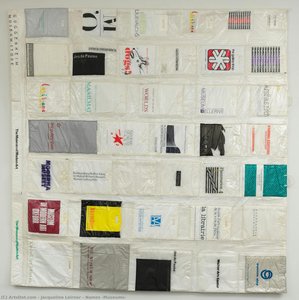
1978
1978 50.0 x 35.0 cm
 American University of Beirut
Ostke kõrglahutusel ja täiustatud digitaalne pilt, mis on oluliselt parem kui veebilehel näidatud eelvaade.
Iga fail on meie spetsialistide poolt hoolikalt ette valmistatud, kasutades kaasaegseid tööriistu ja professionaalset käsitsi retušeerimist. Tagame, et igal pildil on erakordne selgus, täpne värvitäpsus ja peen detail.
Lõplik fail saadetakse e-posti teel 72 tunni jooksul, olles optimeeritud koheseks kasutamiseks professionaalsetes, toimetuslikes ja trüki keskkondades. See on sama kvaliteet, mida usaldavad tipptasemel disainistuudiod, kirjastused ja galeriid.
Laadi alla kõrge resolutsiooniga fail isiklikuks vaatamiseks, trükkimiseks ja loomingulisteks projektideks. ( Osta print Osta käsitsi maalitud maal)
Valides BuyPopArt.com, ei saa sa lihtsalt pilti – saad professionaalselt parandatud digitaalse teose, mida on valmistatud täpsusega ja mis on toetatud rahuldamatusgarantiiga. Siin on kõik, mis sinu tellimusega automaatselt kaasneb:

Teie kõrge resolutsiooniga digitaalne pildifail saadetakse teile e-posti 72 tunni jooksul pärast tellimist – kohe kasutamiseks valmis.

Teie teos on professionaalselt optimeeritud arenenud tehisintellekti tööriistade ja käsitsi redigeerimise abil, tagades maksimaalse detailitaseme, selguse ja värvitäpsuse.

Kas kustutasid faili kogukalu unustamisel või kustutamisel? Puudub mure – saad selle uuesti igal ajal ilma lisatasuta.

Nautige oma teoseid koheselt ilma tolli-, maksude või tarnimaskuludeta – digiletchargused on alati maksuvabadud.

Me tagame, et teie digitaalne pilt kajastaks originaali värve professionaalsete tööriistade ja värvihalduse abil võimalikult täpselt.

Kui te ei ole oma digipildiga rahul, parandame seda või tagastame 100% summast 60 päeva jooksul – küsimusi ei esita.

Ei ole rahul? Saate täielise tagastaja 60 päeva jooksul pärast digitaalse faili kättesaamist – küsimata.

Osta 3 pilti, säästa 10% - Osta 5, säästa 15% - Osta 10+, säästa 20%. Sobib suurepäraselt loomingulisteks projektideks, galeriideks ja agentuurideks.
Rafic Charaf (1932–2003) stands as a pivotal figure in the development of modern Lebanese art, a painter whose work resonated deeply with both the social and political realities of his nation and the enduring spirit of its folklore. Born in Baalbek, a region steeped in ancient history and layered cultural traditions, Charaf’s artistic journey was shaped by a rich heritage that manifested in a distinctive style characterized by poetic abstractions. His canvases often blended sociopolitical commentary with elements of autobiography and vibrant folk art, offering a compelling narrative of an artist deeply connected to his roots and committed to portraying the complexities of Lebanese identity.
His early years were spent in a modest village setting, far removed from the established artistic circles of Beirut. Despite this isolation, he cultivated a keen eye for observation, capturing scenes of daily life and the surrounding landscape on scraps of paper—a habit that would later inform his distinctive visual language. Crucially, his family’s background as blacksmiths instilled in him a profound respect for craftsmanship and an appreciation for the transformative power of materials. This early exposure to both manual labor and artistic expression laid the groundwork for his future explorations of form and texture, creating a bridge between the tactile reality of his upbringing and the ethereal nature of his later abstractions.
Charaf’s formal education began at the Académie Libanaise des Beaux-Arts (ALBA) in Beirut, where he honed his technical skills and developed a foundational understanding of Western art traditions. His talent eventually earned him prestigious scholarships that allowed him to expand his horizons far beyond the Levant. From 1955 to 1957, he studied at the Real Academia de Bellas Artes de San Fernando in Madrid, an experience that significantly impacted his palette and perspective. During this Spanish period, his work often reflected a more somber, melancholic tone, featuring muted colors and landscapes crisscrossed by wires and dead trees—a reflection of a bleak perception of life rooted in his difficult childhood.
The artist's pursuit of mastery continued in Italy, where he attended the Pietro Vanucci Academy in Perugia around 1960. This period of international study allowed him to synthesize various European influences with his Middle Eastern sensibilities. While his technical training was rooted in academic excellence, Charaf’s artistic heart remained tethered to the evocative depictions of mythology and folklore found in the works of Syrian artist Abou Subhi al Tinawi. This blend of Western technique and Eastern storytelling became the cornerstone of his mature style.
As Charaf returned to Beirut, his work underwent a transformative evolution. During the vibrant 1960s, his paintings began to move away from the starker landscapes of his youth toward more expressive and whimsical forms. In many of these works, one can observe simple forms rendered with visible, expressive brushstrokes alongside large planes of flat color, foreshadowing the signature abstraction that would define his career. His art became a tapestry of memory and social observation, where the boundaries between the personal and the political often blurred.
His contributions to the Lebanese art scene were both prolific and influential:
Ultimately, the work of Rafic Charaf remains a testament to the resilience of the human spirit and the power of art to navigate through periods of profound change. Through his poetic abstractions, he captured not just the landscape of Lebanon, but the very soul of its people, leaving behind a legacy that continues to inspire awe and reflection in the contemporary art world.

1932 - 2003 , Lebanon


Püsige kursis viimaste kunstiuudistega, eksklusiivsete pakkumistega ja sisustamisideetega.
Kirjeldage meile oma projekti ja meie kunstieksperdid pakuvad teile 3 isikupärast kunstiettepanekut.
Laske meil koostada just teile mõeldud 3 valikut – tasuta!


 Eelvaade
 Saada
Saada Jaga
Jaga
 Teave teose kohta

 Laadi alla
 Sarnased teosed
 Röntgenuuring
 Slaidietendus
 Loe lähemalt