

Ostke kõrglahutusel ja täiustatud digitaalne pilt, mis on oluliselt parem kui veebilehel näidatud eelvaade.
Iga fail on meie spetsialistide poolt hoolikalt ette valmistatud, kasutades kaasaegseid tööriistu ja professionaalset käsitsi retušeerimist. Tagame, et igal pildil on erakordne selgus, täpne värvitäpsus ja peen detail.
Lõplik fail saadetakse e-posti teel 72 tunni jooksul, olles optimeeritud koheseks kasutamiseks professionaalsetes, toimetuslikes ja trüki keskkondades. See on sama kvaliteet, mida usaldavad tipptasemel disainistuudiod, kirjastused ja galeriid.
Laadi alla kõrge resolutsiooniga fail isiklikuks vaatamiseks, trükkimiseks ja loomingulisteks projektideks. ( Osta print Osta käsitsi maalitud maal)
Valides BuyPopArt.com, ei saa sa lihtsalt pilti – saad professionaalselt parandatud digitaalse teose, mida on valmistatud täpsusega ja mis on toetatud rahuldamatusgarantiiga. Siin on kõik, mis sinu tellimusega automaatselt kaasneb:

Teie kõrge resolutsiooniga digitaalne pildifail saadetakse teile e-posti 72 tunni jooksul pärast tellimist – kohe kasutamiseks valmis.

Teie teos on professionaalselt optimeeritud arenenud tehisintellekti tööriistade ja käsitsi redigeerimise abil, tagades maksimaalse detailitaseme, selguse ja värvitäpsuse.

Kas kustutasid faili kogukalu unustamisel või kustutamisel? Puudub mure – saad selle uuesti igal ajal ilma lisatasuta.

Nautige oma teoseid koheselt ilma tolli-, maksude või tarnimaskuludeta – digiletchargused on alati maksuvabadud.

Me tagame, et teie digitaalne pilt kajastaks originaali värve professionaalsete tööriistade ja värvihalduse abil võimalikult täpselt.

Kui te ei ole oma digipildiga rahul, parandame seda või tagastame 100% summast 60 päeva jooksul – küsimusi ei esita.

Ei ole rahul? Saate täielise tagastaja 60 päeva jooksul pärast digitaalse faili kättesaamist – küsimata.

Osta 3 pilti, säästa 10% - Osta 5, säästa 15% - Osta 10+, säästa 20%. Sobib suurepäraselt loomingulisteks projektideks, galeriideks ja agentuurideks.
Sandro Botticelli's Cestello Annunciation, painted around 1489-1490, is not merely a depiction of a biblical event; it’s an intimate and profoundly moving encounter frozen in time. The scene unfolds with a quiet grace that defines Botticelli’s signature style – the Archangel Gabriel delivering his momentous news to Mary, poised on the cusp of accepting her divine destiny. The painting, originally created for the chapel of the Florentine monastery of Cestello (now Santa Maria Maddalena de' Pazzi), immediately draws the viewer into a space both sacred and deeply human. It’s a testament to Botticelli’s ability to blend religious narrative with an exquisite sensitivity to form and emotion.
Botticelli, born Alessandro di Mariano Filipepi in Florence, was a master of line. In the Cestello Annunciation, this mastery is strikingly evident. The figures are defined not by robust modeling or dramatic chiaroscuro, but by elegant, flowing contours that lend them an ethereal quality. The delicate drapery folds and the graceful gestures of Gabriel and Mary seem to ripple with a life of their own. He bridges the gap between the Gothic past and the burgeoning Renaissance aesthetic, retaining a certain decorative elegance while embracing emerging principles of perspective and naturalism. The use of tempera on wood contributes to the painting’s luminous quality; colors are applied in thin, translucent layers, creating a subtle interplay of light and shadow that enhances the scene's serene atmosphere. Notice how Botticelli employs a limited palette – rich blues, reds, and golds – to create a harmonious visual experience. The landscape visible through the window isn’t merely background filler; it’s an integral part of the composition, offering a glimpse into a fantastical world beyond the confines of the room.
The Cestello Annunciation is rich in symbolic meaning. The lily held by Gabriel isn't simply a beautiful flower; it represents Mary’s purity and virginity, a traditional symbol within Christian iconography. The enclosed garden visible through the window alludes to Mary as the *hortus conclusus*, the “closed garden,” symbolizing her inviolate state. Even the architectural details contribute to the narrative – the room itself is sparsely furnished, drawing attention to the spiritual significance of the encounter rather than worldly possessions. The inscriptions in Latin, taken from the Gospel of Luke, further reinforce the theological weight of the scene. Botticelli doesn’t simply *show* us the Annunciation; he invites us to contemplate its profound implications.
To fully appreciate the Cestello Annunciation, it's crucial to understand its historical context. Florence in the late 15th century was a city undergoing significant religious and political upheaval. The sermons of Girolamo Savonarola, a Dominican friar who preached against corruption and excess, had a profound impact on Florentine society. Botticelli himself was influenced by Savonarola’s austere piety, which is reflected in the painting’s restrained emotionality and emphasis on spiritual devotion. However, despite this religious fervor, Botticelli remained committed to artistic innovation. The use of linear perspective, borrowed from Flemish painters, demonstrates his engagement with contemporary artistic trends. This blending of traditional symbolism and modern technique makes the Cestello Annunciation a remarkable example of Early Renaissance art.
The emotional impact of Botticelli’s *Cestello Annunciation* lies in its ability to convey a sense of quiet reverence. It's not a scene of dramatic fanfare, but rather an intimate moment of divine communication. The painting invites contemplation and offers a glimpse into the profound mystery of faith. For collectors and interior designers alike, a reproduction of this masterpiece brings a touch of Renaissance elegance and spiritual depth to any space. Its harmonious colors and graceful composition make it a versatile addition to a variety of décor styles, while its rich symbolism provides endless opportunities for conversation and reflection. The Cestello Annunciation is more than just a painting; it’s a window into the soul of the Renaissance, and a testament to Botticelli's enduring artistic genius.
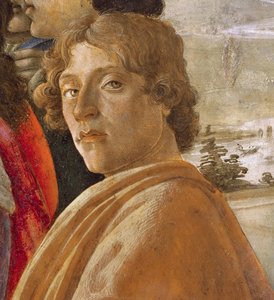
1445 - 1510 , Itaalia


Püsige kursis viimaste kunstiuudistega, eksklusiivsete pakkumistega ja sisustamisideetega.
Kirjeldage meile oma projekti ja meie kunstieksperdid pakuvad teile 3 isikupärast kunstiettepanekut.
Laske meil koostada just teile mõeldud 3 valikut – tasuta!


 Eelvaade
 Saada
Saada Jaga
Jaga
 Teave teose kohta

 Laadi alla
 Sarnased teosed
 Röntgenuuring
 Slaidietendus

 Loe lähemalt