EelvaadeEelvaade AR-eelvaadeAR-eelvaade Osta print Osta printOsta käsitsi maalitud maal Osta käsitsi maalitud maal SaadaSaada
Teave teose kohtaTeave teose kohta Lisa lemmikutesse Lisa lemmikutesse Laadi allaLaadi alla Sarnased teosedSarnased teosed RöntgenuuringRöntgenuuring SlaidietendusSlaidietendus

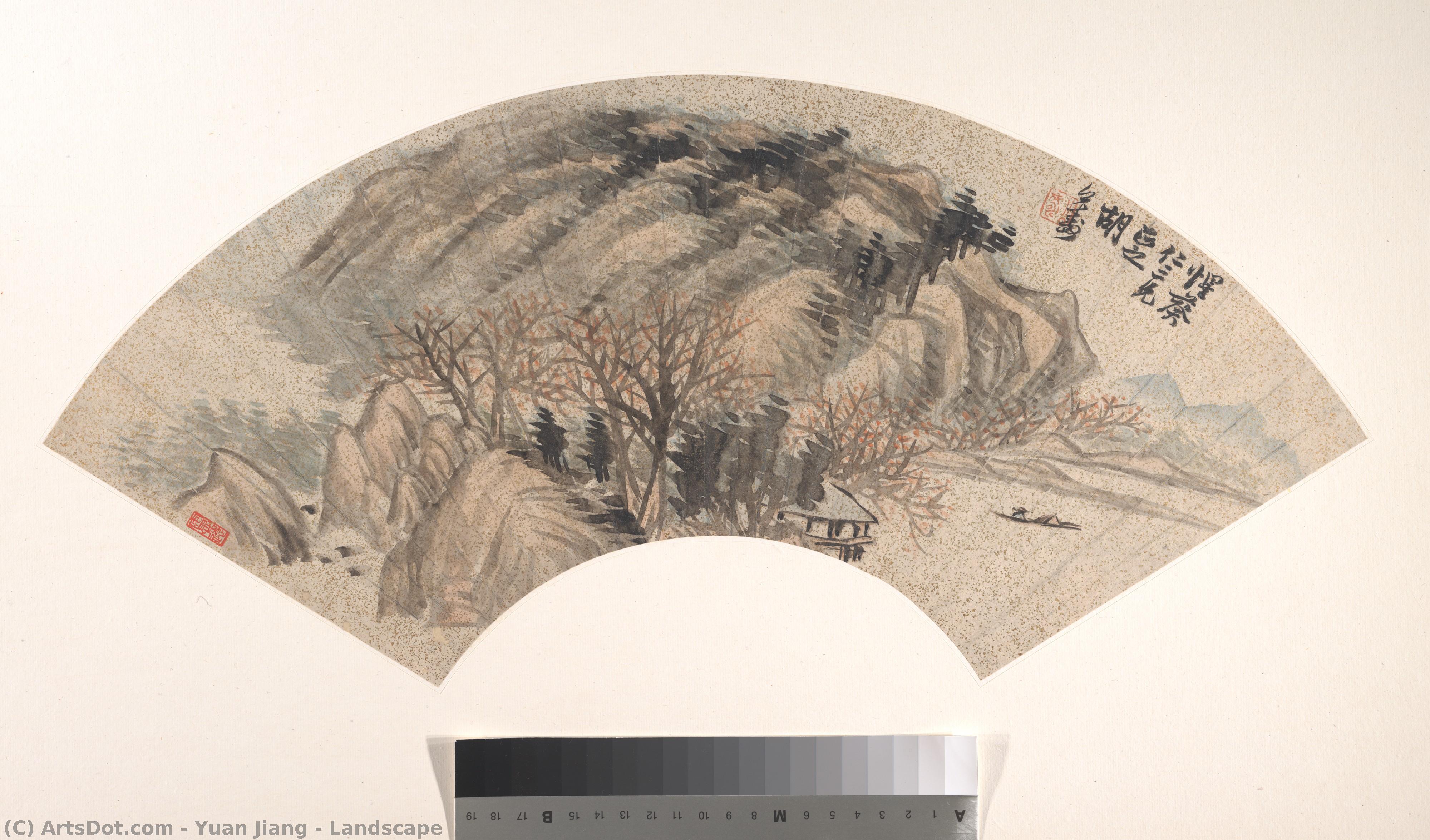
Landscape

  • Mõõtmed18.0 x 51.0 cm

Yuan Jiang (c. 1671–c. 1746) was a Qing dynasty Chinese landscape painter known for detailed architectural scenes ('garrets') and bird-and-flower art. He served at the imperial palace during the Yongzheng era, creating precise compositions favored for construction projects.

Ostke kõrglahutusel ja täiustatud digitaalne pilt, mis on oluliselt parem kui veebilehel näidatud eelvaade.

Iga fail on meie spetsialistide poolt hoolikalt ette valmistatud, kasutades kaasaegseid tööriistu ja professionaalset käsitsi retušeerimist. Tagame, et igal pildil on erakordne selgus, täpne värvitäpsus ja peen detail.

Lõplik fail saadetakse e-posti teel 72 tunni jooksul, olles optimeeritud koheseks kasutamiseks professionaalsetes, toimetuslikes ja trüki keskkondades. See on sama kvaliteet, mida usaldavad tipptasemel disainistuudiod, kirjastused ja galeriid.

Digitaalne kunstiteos

Laadi alla kõrge resolutsiooniga fail isiklikuks vaatamiseks, trükkimiseks ja loomingulisteks projektideks. (Osta print Osta printOsta käsitsi maalitud maal Osta käsitsi maalitud maal)

Lõppsumma

$ 26,90

Sisse kuulub iga digitaalse pildi tellimusega

Eksperdi digitaalne kohaletoimetamine, garanteeritud

Valides BuyPopArt.com, ei saa sa lihtsalt pilti – saad professionaalselt parandatud digitaalse teose, mida on valmistatud täpsusega ja mis on toetatud rahuldamatusgarantiiga. Siin on kõik, mis sinu tellimusega automaatselt kaasneb:

shipping_icon
Kiire digitaalne saatmine

Teie kõrge resolutsiooniga digitaalne pildifail saadetakse teile e-posti 72 tunni jooksul pärast tellimist – kohe kasutamiseks valmis.

canvas_icon
Tehisintellektiga täiustatud digitaalne fail

Teie teos on professionaalselt optimeeritud arenenud tehisintellekti tööriistade ja käsitsi redigeerimise abil, tagades maksimaalse detailitaseme, selguse ja värvitäpsuse.

insurance_icon
Tasuta eluaegne uuesti saatmine

Kas kustutasid faili kogukalu unustamisel või kustutamisel? Puudub mure – saad selle uuesti igal ajal ilma lisatasuta.

tax_icon
Puuduvad importimaksed – alati

Nautige oma teoseid koheselt ilma tolli-, maksude või tarnimaskuludeta – digiletchargused on alati maksuvabadud.

color_icon
Värvitäpsuse garantii

Me tagame, et teie digitaalne pilt kajastaks originaali värve professionaalsete tööriistade ja värvihalduse abil võimalikult täpselt.

return_icon
60-päevane rahulolu garantii

Kui te ei ole oma digipildiga rahul, parandame seda või tagastame 100% summast 60 päeva jooksul – küsimusi ei esita.

guarantee_icon
100% raha tagastamise garantii

Ei ole rahul? Saate täielise tagastaja 60 päeva jooksul pärast digitaalse faili kättesaamist – küsimata.

discount_icon
Suurema tellimuse soodustused

Osta 3 pilti, säästa 10% - Osta 5, säästa 15% - Osta 10+, säästa 20%. Sobib suurepäraselt loomingulisteks projektideks, galeriideks ja agentuurideks.

Kollektsiooni kirjeldus

Traditional methods of landscape painting are invoked by Hu in this fan. Mountain forms are built using a system of brush dabs, while forests are created by an assembly of ideogram trees. Dilute ink and pale colors soften the rigor of the traditional conception, producing work with an easy popular appeal.In 19th century China, there were no museums and few galleries dedicated to the exhibition and sale of paintings. Artists like Hu displayed their pictures and listed their prices for commission work, usually based on size, in fan shops, mounters" shops and stationery stores.

Kunstniku biograafia

A Brush with Imperial Visions: The Life and Art of Yuan Jiang

Yuan Jiang (袁江, c. 1671–c. 1746), a name resonating softly through the annals of Qing dynasty painting, was more than just a landscape artist; he was a meticulous observer, a skilled architect of scenes, and a favored presence within the imperial court. Born in Yangzhou, Jiangsu province—a vibrant hub of artistic activity—Yuan’s life unfolded against a backdrop of evolving aesthetic sensibilities and burgeoning patronage during the reigns of the Kangxi, Yongzheng, and Qianlong emperors. While biographical details remain somewhat fragmented, we know he emerged from an artistic lineage, his nephew Yuan Yao also achieving recognition as a landscape painter, creating what would be known as “The Two Yuans”. This familial connection suggests a shared foundation in technique and perhaps even early mentorship, though each artist ultimately carved their own distinct path.

Early Training and the Rise of Architectural Precision

Yuan Jiang’s artistic journey began with studies under Qiu Ying, a master renowned for his versatility and refined brushwork. However, Yuan soon diverged from a purely traditional approach, seeking inspiration in the landscapes of the Song dynasty—a period celebrated for its naturalistic depictions and philosophical depth. He absorbed the techniques of Guo Zhongshu and Yan Ciping, integrating their methods into his own evolving style. This pursuit led him to specialize in *jiehua*, or architectural painting, a genre demanding not only artistic skill but also a keen understanding of structural principles. It was this unique combination that propelled Yuan Jiang to prominence. His ability to render buildings with astonishing accuracy—precise compositions and minute details suitable for actual construction—caught the attention of wealthy patrons, particularly the powerful Shanxi salt merchants who commissioned him for extensive projects in northern China. This period solidified his reputation and broadened his reach beyond the confines of Yangzhou.

Service at Court and the Yongzheng Emperor’s Favor

The pinnacle of Yuan Jiang's career arrived with his summons to serve at the Hall of Mental Cultivation within the imperial palace during the Yongzheng era (1722–1735). The Yongzheng emperor, known for his meticulous nature and emphasis on practical governance, clearly valued Yuan’s precision and attention to detail. His role wasn't merely decorative; it involved creating paintings that reflected the grandeur of the empire and potentially served as blueprints or visualizations for architectural projects. This position afforded him access to imperial collections, further refining his understanding of classical styles and influencing his artistic development. The court environment fostered a focus on realism and clarity, qualities that became hallmarks of Yuan’s mature work.

A Style Defined by Meticulous Detail and Atmospheric Depth

Yuan Jiang's paintings are characterized by an extraordinary level of detail—intricate depictions of buildings, lush gardens, and dramatic mountain landscapes. He masterfully blended Song dynasty techniques with his own unique sensibility, employing long lines to define the contours of mountains and utilizing Guo Xi’s characteristic cloud-rolling texture strokes to convey a sense of depth and atmosphere. His compositions are rigorously ordered, reflecting a deliberate approach to spatial arrangement. He often incorporated both realistic and imaginative elements, creating scenes that were grounded in observation yet imbued with a poetic quality. The signature “Yuan Jiang of Hanshang” found on some works confirms his origins and provides valuable insight into the circulation of his paintings throughout China. He was particularly celebrated for his depictions of pavilions and gardens, capturing the essence of Jiangnan’s serene beauty.

Legacy and Historical Significance

Yuan Jiang's influence extended beyond his own lifetime. His meticulous approach to architectural painting set a new standard for precision and realism within the Qing dynasty. He is often mentioned alongside his nephew Yuan Yao as “The Two Yuans”, representing a high point in landscape artistry during that period. While not as widely celebrated as some of his more famous contemporaries, Yuan Jiang’s work remains highly valued by collectors and scholars alike. His paintings offer a fascinating glimpse into the aesthetic preferences of the imperial court and the evolving artistic landscape of 18th-century China. He stands as a testament to the power of observation, the importance of technical skill, and the enduring appeal of capturing the beauty and grandeur of the natural world—and the meticulously crafted worlds created by humankind within it.

Lühikesed faktid

  • Artistic Movement Or Style: Qing dynasty landscape painting
  • Artists Or Movements Influenced By This Artist: ['Yuan Yao']
  • Artists Who Influenced This Artist:
    • Qiu Ying
    • Guo Zhongshu
    • Yan Ciping
  • Date Of Birth: c. 1671
  • Date Of Death: c. 1746
  • Full Name: Yuan Jiang
  • Nationality: Chinese
  • Notable Artworks:
    • Liangyuan Flying Snow Scroll
    • Zhanyuan Painting
    • Dongyuan Sheng Gai Painting
  • Place Of Birth: Yangzhou, China