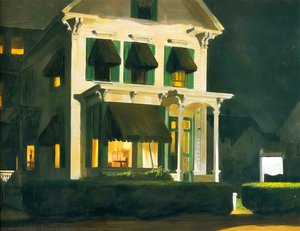
Contemporary Realism
 1922
1922 20.0 x 25.0 cm
 Smithsonianin Amerikan taidemuseo
Museolaatuisia giclée- tai kankaitaulun tulosteita nopealla tuotannolla ja joustavilla viimeistelyvaihtoehdoilla. ( Osta käsintehty maalaus Osta kuva)





























Valitse valmiista mitoistamme sellaiset, jotka vastaavat teoksen alkuperäisiä mittasuhteita.

Voit syöttää omat mitat sopiaksesi tiettyyn kehykseen tai tilaan. Jos valittu koko ei vastaa alkuperäisen kuvan mittasuhteita, rajaamme teosta tai laajennamme kuvaa peilatulla tai yhtenäisellä reunalla. Digitaalinen mallikuva lähetetään hyväksyttäväksi ennen tuotannon aloittamista.
Huomaathan, että näytöllä näkyvä esikatselu ei vastaa lopullista rajausta tai laajennusta. Vain mallikuva näyttää lopullisen sommittelun tarkasti.
Vaikka räätälöityjä kokoja on saatavilla, suosittelemme valitsemaan mitat valmiista listasta alkuperäisten mittasuhteiden säilyttämiseksi.
Toimitus maailmanlaajuisesti () kahdessa viikossa tavallisen 4–5 viikon sijaan. (15 elokuu)


The Cat Boat
Replikaatin koko
Edward Hopper's “The Cat Boat,” created in 1922, stands as a quintessential emblem of American Modernism—a deceptively simple scene imbued with profound psychological depth. More than just depicting a sailboat gliding along the New England coast, it’s a masterful distillation of Hopper’s signature style: realism tempered by an unsettling stillness that invites contemplation and subtly underscores themes of isolation and melancholy.
The artwork's composition centers around the sailboat itself—a dominant presence in the foreground—whose angled sail creates a dynamic diagonal line, pulling the viewer’s eye across the canvas. A smaller boat appears in the background to provide context and subtly heighten the sense of distance. Hopper skillfully employs etching techniques, utilizing hatching and cross-hatching extensively to render textures – from the rough surface of the water to the solidity of the boat's structure—achieving remarkable tonal variation without resorting to color.
The diffused lighting contributes significantly to the artwork’s mood. Soft shadows and highlights suggest an overcast day, avoiding harshness and emphasizing Hopper’s preference for capturing atmospheric conditions that heighten emotional resonance. Careful attention to perspective—overlapping elements and tonal gradations—creates a convincing illusion of depth, grounding the viewer in the landscape while simultaneously conveying a feeling of detachment. The figures aboard the sailboat are rendered with minimal detail, almost as if viewed from afar, furthering this sense of isolation.
Created during a period of rapid urbanization and social upheaval in America—the aftermath of World War I— “The Cat Boat” reflects Hopper's fascination with the quiet corners of modern life. He was returning from Paris after his artistic studies, where he had absorbed influences from Impressionism and Cubism, yet he steadfastly adhered to realism as a means of conveying emotion and capturing the essence of human experience. The etching medium itself—chosen by Hopper in response to challenges faced by artists during this era—underscores his commitment to meticulous observation and precise execution.
Ultimately, “The Cat Boat” transcends its visual description; it evokes a powerful emotional response. The image speaks to the human desire for connection amidst solitude, capturing a fleeting moment of leisure that simultaneously conveys a sense of melancholy and contemplative awareness. Hopper’s masterful use of light and shadow—combined with his understated compositional choices—transforms what appears as a straightforward seascape into an enduring symbol of American Modernism's preoccupation with psychological nuance.

1931 - 1967 , Yhdysvallat

Explore the profound depth of American Realism. From the gritty Ashcan School to poignant social landscapes, discover how masters captured the raw soul of a nation through evocative oil paintings and timeless art history.


Pysy ajan tasalla uusimmista taideuutisista, eksklusiivisista tarjouksista ja sisustusideoista.
Kerro meille projektistasi, niin taideasiantuntijamme tarjoavat sinulle kolme henkilökohtaista taidesuositusta.
Anna meidän kuratoida 3 vaihtoehtoa juuri sinulle – Ilmaiseksi!


 Esikatselu
 Jaa
Jaa Jaa
Jaa
 Tarkemmat tiedot

 Lataa
Lataa
 Samanlaisia
 Röntgenkuva
 Diaesitys
 Näytä lisää







 Lasivaihtoehto on saatavilla vain alle 110 cm kokoisina teoksina