


Museolaatuisia giclée- tai kankaitaulun tulosteita nopealla tuotannolla ja joustavilla viimeistelyvaihtoehdoilla. ( Vaihda käsinmaalattuun versioon Vaihda kuvaksi)
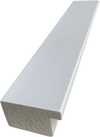
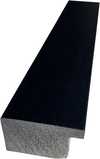
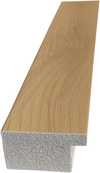
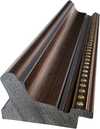
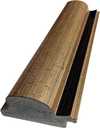
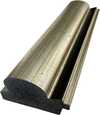
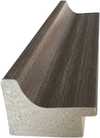
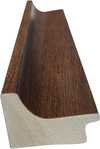
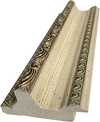
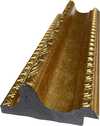
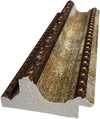
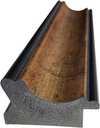
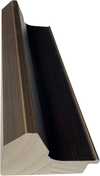
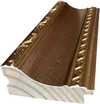
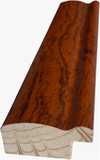
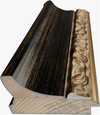
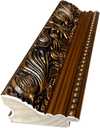
Valitse valmiista mitoistamme sellaiset, jotka vastaavat teoksen alkuperäisiä mittasuhteita.

Voit syöttää omat mitat sopiaksesi tiettyyn kehykseen tai tilaan. Jos valittu koko ei vastaa alkuperäisen kuvan mittasuhteita, rajaamme teosta tai laajennamme kuvaa peilatulla tai yhtenäisellä reunalla. Digitaalinen mallikuva lähetetään hyväksyttäväksi ennen tuotannon aloittamista.
Huomaathan, että näytöllä näkyvä esikatselu ei vastaa lopullista rajausta tai laajennusta. Vain mallikuva näyttää lopullisen sommittelun tarkasti.
Vaikka räätälöityjä kokoja on saatavilla, suosittelemme valitsemaan mitat valmiista listasta alkuperäisten mittasuhteiden säilyttämiseksi.
Toimitus maailmanlaajuisesti () kahdessa viikossa tavallisen 4–5 viikon sijaan. (3 elokuu)


Kaksi naista
Replikaatin koko
Egon Schiele’s “Two Women” (1915) isn't merely a painting; it’s a raw, intensely personal exploration of intimacy, vulnerability, and the psychological landscape of early 20th-century Europe. Created during a period marked by profound upheaval – the shadow of World War I looming large over Vienna – Schiele’s work reflects a deep preoccupation with mortality, sexuality, and the fragile nature of human connection. This piece, housed in the Albertina Museum in Vienna, stands as a cornerstone of Expressionism, showcasing his unique ability to translate internal emotional states into striking visual form.
The painting immediately commands attention through its bold, almost confrontational composition. Two women lie intertwined on the ground, their bodies rendered with a deliberate distortion that’s characteristic of Schiele's style. The figures aren’t idealized; they possess an unsettling directness, their features exaggerated and imbued with a palpable sense of anxiety. One woman is depicted in a state of near-nudity, her body partially exposed, while the other has her dress pulled down, revealing a similar vulnerability. This deliberate ambiguity surrounding modesty speaks volumes about Schiele’s interest in challenging conventional notions of beauty and sexuality – themes that were increasingly prevalent in artistic circles at the time.
Schiele's masterful use of technique is central to the painting’s impact. He employs a rapid, almost frantic application of watercolor and gouache on paper, creating a sense of movement and urgency within the composition. The lines are thick and expressive, conveying both physical presence and emotional turmoil. Notice how he uses hatching – short, parallel lines – to build up form and texture, particularly in the depiction of the women’s limbs and drapery. The color palette is deliberately muted, dominated by earthy tones—ochres, browns, and grays—but punctuated with flashes of crimson and violet that heighten the sense of drama and tension. These colors aren't used to create a serene atmosphere; instead, they amplify the painting’s underlying feeling of unease.
To fully appreciate “Two Women,” it’s crucial to understand its historical context. The early 20th century was a period of immense social and artistic change in Europe. Traditional values were being questioned, and artists like Schiele were pushing boundaries by exploring themes previously considered taboo – sexuality, death, and the darker aspects of human experience. The rise of Expressionism as a movement reflected this broader shift, rejecting academic conventions in favor of subjective emotional expression. The depiction of nudity, while certainly provocative, wasn’t entirely unprecedented in art history; however, Schiele's approach—characterized by its raw honesty and psychological depth—represented a significant departure from earlier representations. The painting can be seen as part of a larger conversation about the changing role of women in society and the evolving attitudes towards sexuality.
Beyond its formal elements, “Two Women” is rich in symbolism. The intertwined figures represent not just physical intimacy but also a profound emotional connection—one that’s both alluring and fraught with danger. The exposed bodies suggest vulnerability and a willingness to surrender, while the distorted forms hint at underlying anxieties and unresolved conflicts. The setting – the ground, suggesting a primal state – further emphasizes this sense of raw emotion. Ultimately, “Two Women” is a haunting meditation on the complexities of human relationships, the inevitability of mortality, and the enduring power of artistic expression to capture the most intimate and unsettling aspects of our inner lives. It’s a work that continues to resonate with viewers today, inviting us to contemplate the mysteries of the human heart.
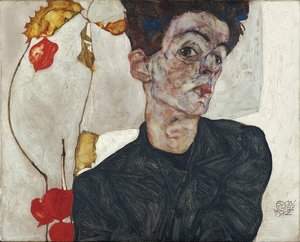
1890 - 1918 , Itävalta-Unkari
Tutustu Egon Schielen 25 vaikuttavinta teosta! Uppoudu ekspressionismin maailmaan, ihmiskuvauksen syvyyteen ja tunteelliseen taiteeseen. Löydä inspiraatiota sisustukseen ja korkealaatuiset taideprintit BuyPopArt.com-sivustolta. Tutki kokoelma verkossa!
Tutustu Metropolitan Museum of Artin 25 kuuluisimpaan teokseen! Uppoudu impressionismin, renessanssin ja modernin taiteen maailmaan. Löydä mestariteoksia Monétista Van Goghiin ja inspiroidu kodin sisustukseen BuyPopArt.comissa. Tutki kokoelma verkossa!
Tutustu National Galleryn 25 ikonista mestariteosta! Cézannen, Picasson ja Matissen tarinat sekä inspiraatiota kodin sisustukseen. Laadukkaat taideprintit BuyPopArtilta – löydä suosikkisi nyt!
Tutustu James Abbott McNeill Whistlerin 25 vaikuttavinta mestariteosta! Uppoudu amerikkalaisen impressionismin maailmaan, tunnelmallisiin nocturneihin ja upeisiin muotokuviin. Löydä inspiraatiota sisustukseen BuyPopArt.comista – taidekopiot museolaadulla. Explore the full collection online!
Tutustu Henri Matissen 25 mestariteokseen – värien ja muodon lumoava maailma! Lue taiteen historiaa, fauvismin syntyä ja löydä inspiraatiota sisustukseesi. Korkealaatuiset taideprintit BuyPopArt.com:ssa.


Pysy ajan tasalla uusimmista taideuutisista, eksklusiivisista tarjouksista ja sisustusideoista.
Kerro meille projektistasi, niin taideasiantuntijamme tarjoavat sinulle kolme henkilökohtaista taidesuositusta.
Anna meidän kuratoida 3 vaihtoehtoa juuri sinulle – Ilmaiseksi!


 Esikatselu
 Jaa
Jaa Jaa
Jaa
 Tarkemmat tiedot

 Lataa
Lataa
 Samanlaisia
 Röntgenkuva
 Diaesitys

 Näytä lisää
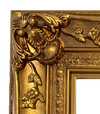
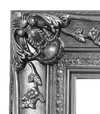
 Lasivaihtoehto on saatavilla vain alle 110 cm kokoisina teoksina


