

Museolaatuisia giclée- tai kankaitaulun tulosteita nopealla tuotannolla ja joustavilla viimeistelyvaihtoehdoilla. ( Osta käsintehty maalaus Osta kuva)





























Valitse valmiista mitoistamme sellaiset, jotka vastaavat teoksen alkuperäisiä mittasuhteita.

Voit syöttää omat mitat sopiaksesi tiettyyn kehykseen tai tilaan. Jos valittu koko ei vastaa alkuperäisen kuvan mittasuhteita, rajaamme teosta tai laajennamme kuvaa peilatulla tai yhtenäisellä reunalla. Digitaalinen mallikuva lähetetään hyväksyttäväksi ennen tuotannon aloittamista.
Huomaathan, että näytöllä näkyvä esikatselu ei vastaa lopullista rajausta tai laajennusta. Vain mallikuva näyttää lopullisen sommittelun tarkasti.
Vaikka räätälöityjä kokoja on saatavilla, suosittelemme valitsemaan mitat valmiista listasta alkuperäisten mittasuhteiden säilyttämiseksi.
Toimitus maailmanlaajuisesti () kahdessa viikossa tavallisen 4–5 viikon sijaan. (21 elokuu)


Two Horses
Replikaatin koko
Franz Marc’s “Two Horses,” painted in 1911, is more than just a depiction of equine subjects; it’s a profound meditation on the soul of nature rendered with the raw intensity characteristic of early Expressionism. This vibrant canvas immediately draws the viewer into a world saturated with emotion and imbued with a deep spiritual yearning – a hallmark of Marc's artistic philosophy. The painting, brimming with color and dynamic composition, captures a moment of primal connection between man and beast, reflecting Marc’s belief that animals possessed a purity of spirit unattainable by humanity.
Executed in oil on canvas, “Two Horses” exemplifies Marc's mastery of Expressionist techniques. He abandons traditional representational accuracy in favor of conveying inner feeling through bold color choices and distorted forms. The horses themselves are not rendered with photographic precision; instead, they are imbued with a luminous quality, their bodies painted in rich blues, greens, and ochres that evoke a sense of otherworldly serenity. Notice the deliberate flattening of perspective and the simplified shapes – these were conscious decisions to prioritize emotional impact over realistic depiction. Marc’s brushwork is loose and gestural, contributing to the painting's palpable energy and movement. The inclusion of human figures, sketched in with softer tones, further emphasizes this connection between the animal world and the spiritual realm.
Marc’s work was deeply rooted in Symbolist ideas, particularly the belief that art could serve as a vehicle for religious or spiritual experience. In “Two Horses,” the animals are often interpreted as representing Christ and his disciples – a common motif within Marc's oeuvre. The horses’ serene expressions and harmonious arrangement suggest a state of grace and tranquility, reflecting Marc’s desire to capture the essence of divine beauty. The surrounding figures, though less prominent, reinforce this symbolic reading, adding layers of meaning to the composition. The artist sought to depict not just what he *saw*, but what he *felt* – a profound respect for the natural world as a reflection of God's creative power.
"Two Horses" was created during a pivotal moment in the development of German Expressionism. Marc, along with artists like Wassily Kandinsky and Emil Nolde, were pushing the boundaries of artistic convention, seeking to express subjective emotions through non-naturalistic forms. This painting represents a key work within Marc’s oeuvre, solidifying his position as one of the movement's leading figures. His exploration of animal symbolism continues to resonate with viewers today, offering a timeless meditation on spirituality, nature, and the enduring bond between humanity and the wild.
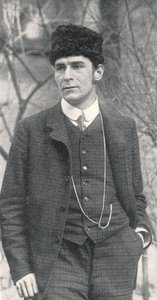
1880 - 1916 , Saksa

Transform your photos into breathtaking anime masterpieces with BuyPopArt's proprietary AI technology. We bridge the gap between digital pop culture and fine art, turning your favorite moments into hand-painted oil canvases that define your personal legacy and modern style.

Explore the visceral world of German Expressionism. Discover how masters like Ernst Ludwig Kirchner used bold colors and distortion to convey raw emotion, through our expert-led deep dive into this transformative era of art history.


Pysy ajan tasalla uusimmista taideuutisista, eksklusiivisista tarjouksista ja sisustusideoista.
Kerro meille projektistasi, niin taideasiantuntijamme tarjoavat sinulle kolme henkilökohtaista taidesuositusta.
Anna meidän kuratoida 3 vaihtoehtoa juuri sinulle – Ilmaiseksi!


 Esikatselu
 Jaa
Jaa Jaa
Jaa
 Tarkemmat tiedot

 Lataa
Lataa
 Samanlaisia
 Röntgenkuva
 Diaesitys

 Näytä lisää







 Lasivaihtoehto on saatavilla vain alle 110 cm kokoisina teoksina


