

 Acrylic On CanvasWallArtNeoclassical Movement
 High Medieval
 121.0 x 170.0 cm
Osta korkearesoluutioinen, parannettu digitaalikuva, joka on laadultaan huomattavasti parempi kuin verkkosivuston esikatselu.
Jokainen tiedosto valmistellaan huolellisesti omien asiantuntijoidemme toimesta käyttäen edistyneitä työkaluja ja ammattitaitoista manuaalista retusointia. Varmistamme, että jokaisessa kuvassa on poikkeuksellinen selkeys, tarkka värintoisto ja hienovaraiset yksityiskohdat.
Lopputiedosto toimitetaan sähköpostitse 72 tunnin kuluessa, ja se on optimoitu välittömään käyttöön ammattimaisissa, toimituksellisissa ja painoympäristöissä. Laatu on sama, johon huipputason suunnittelustudiot, kustantajat ja galleriat luottavat.
Lataa korkearesoluutioinen tiedosto henkilökohtaiseen näyttelyyn, tulostamiseen ja luoviin projekteihin. ( Osta printti Osta käsintehty maalaus)
Kun valitset BuyPopArt.com-palvelun, et saa vain kuvaa – saat ammattimaisesti parannetun digitaalisen taideteoksen, joka on luotu tarkkuudella ja jonka takaa tulee tyytyväisyystakuu. Tässä on kaikki, mitä tilauksesi sisältää, automaattisesti:

Korkearesoluutioinen digitaalinen kuvatiedostosi lähetetään sähköpostiisi 72 tunnin kuluessa tilauksesta – valmiina käytettäväksi välittömästi.

Taiteilijasi teos on optimoitu ammattimaisesti edistyneiden tekoälytyökalujen ja manuaalisen muokkauksen avulla, mikä takaa maksimaalisen yksityiskohtaisuuden, selkeyden ja väritarkkuuden.

Oletko vahingossa poistanut tai kadottanut tiedostosi? Ei hätää – lähetämme sen sinulle uudelleen milloin tahansa täysin maksutta.

Nauti taiteestasi välittömästi ilman tulleja, veroja tai toimitusmaksuja – digitaaliset lataukset ovat aina verovapaita.

Varmistamme, että digitaalinen kuvasi vastaa alkuperäisiä värejä mahdollisimman tarkasti käyttämällä ammattilaistason työkaluja ja värinhallintaa.

Jos et ole tyytyväinen digitaaliseen kuvaasi, muokkaamme sitä tai palautamme 100% takaisin 60 päivän kuluessa – ilman kysymyksiä.

Etkö ole tyytyväinen? Saat täyden hyvityksen 60 päivän kuluessa digitaalisen tiedostosi vastaanottamisesta – ilman kyselyitä.

Osta 3 kuvaa, säästä 10% - Osta 5, säästä 15% - Osta 10+, säästä 20%. Erinomainen valinta luoviin projekteihin, gallerioille ja toimistoille.
Jacques-Louis David’s “Patrocles,” painted in 1780 and now residing within the Musée Thomas-Henry in Cherbourg-en-Cotentin, France, is more than a mere depiction of a nude male form; it's a profound meditation on heroism, sacrifice, and the enduring power of classical ideals. This monumental work, rendered with David’s signature Neoclassical precision, immediately commands attention through its sheer scale – measuring 121 x 170 cm – and the arresting physicality of its central figure. The composition is strikingly simple yet profoundly effective: a powerfully built man lies prone on a rock, his back turned to the viewer, exposing an anatomy sculpted with meticulous detail and bathed in dramatic chiaroscuro lighting.
David’s artistic journey was one of deliberate transformation. Initially influenced by the opulent frivolity of Rococo painting under François Boucher, he sought a more rigorous aesthetic rooted in antiquity. This shift culminated in his embrace of Neoclassicism, a movement characterized by its reverence for ancient Greek and Roman art and architecture. “Patrocles” embodies this ethos perfectly, drawing inspiration from classical sculpture while simultaneously imbuing the subject with an intensely human drama. The pose itself—a deliberate echo of depictions of fallen heroes found in Roman statues—immediately evokes notions of stoicism, resilience, and ultimate sacrifice.
The painting’s technical brilliance lies in David's masterful manipulation of light and shadow, a technique he honed by studying the dramatic lighting employed by Caravaggio. The stark contrast between illuminated muscle mass and deep shadows creates an astonishing sense of volume and weight, lending the figure an almost sculptural quality. Notice how the light emphasizes the contours of his torso, highlighting the strength and power of his physique—a deliberate reference to the idealized male form celebrated in classical art. The subtle variations in tone suggest a complex understanding of anatomy and a keen eye for capturing the nuances of human musculature.
Beyond the technical prowess, David’s use of color is equally significant. The palette is restrained – primarily earthy tones of ochre, brown, and gray—further emphasizing the painting's classical austerity. This deliberate lack of vibrant hues reinforces the sense of timelessness and elevates the subject beyond mere physical beauty, suggesting instead a profound connection to enduring values.
“Patrocles” is not simply a nude study; it’s an illustration drawn from Homer's *Iliad*, depicting the legendary warrior Patroclus, Achilles’ dearest friend. The story recounts how Patroclus was killed in battle, and his body was subsequently desecrated by Hector of Troy. David’s painting captures the moment after death—a poignant depiction of vulnerability and acceptance. This narrative context adds layers of meaning to the image, transforming it into a meditation on mortality, loyalty, and the tragic consequences of war.
Painted during a period of significant social and political upheaval in France – just before the French Revolution – “Patrocles” reflects the era’s yearning for order, reason, and moral clarity. David's embrace of classical ideals offered a powerful antidote to the perceived excesses of the Rococo style and provided a visual vocabulary for expressing republican values. The painting served as a potent symbol of strength, virtue, and civic duty—qualities that resonated deeply with those seeking to establish a new order in France.
“Patrocles” stands as a cornerstone of Jacques-Louis David’s oeuvre and a defining example of Neoclassical art. Its influence can be seen in countless subsequent works, shaping the visual language of European painting for decades to come. The image's enduring appeal lies not only in its technical mastery but also in its profound exploration of human emotion and timeless themes. Today, reproductions of this powerful artwork offer a unique opportunity to experience the grandeur and intellectual depth of David’s vision—a testament to the lasting legacy of Neoclassicism.
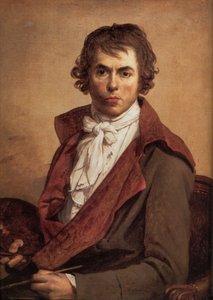
1748 - 1800 , Ranska


Pysy ajan tasalla uusimmista taideuutisista, eksklusiivisista tarjouksista ja sisustusideoista.
Kerro meille projektistasi, niin taideasiantuntijamme tarjoavat sinulle kolme henkilökohtaista taidesuositusta.
Anna meidän kuratoida 3 vaihtoehtoa juuri sinulle – Ilmaiseksi!


 Esikatselu
 Jaa
Jaa Jaa
Jaa
 Tarkemmat tiedot

 Lataa
Lataa
 Samanlaisia
 Röntgenkuva
 Diaesitys
 Näytä lisää