Tilaa painos Tilaa painosOsta kuva Osta kuva JaaJaa
Tarkemmat tiedotTarkemmat tiedot Lisää suosikkeihin Lisää suosikkeihin LataaLataa SamanlaisiaSamanlaisia RöntgenkuvaRöntgenkuva DiaesitysDiaesitys

Flamingo Capsule

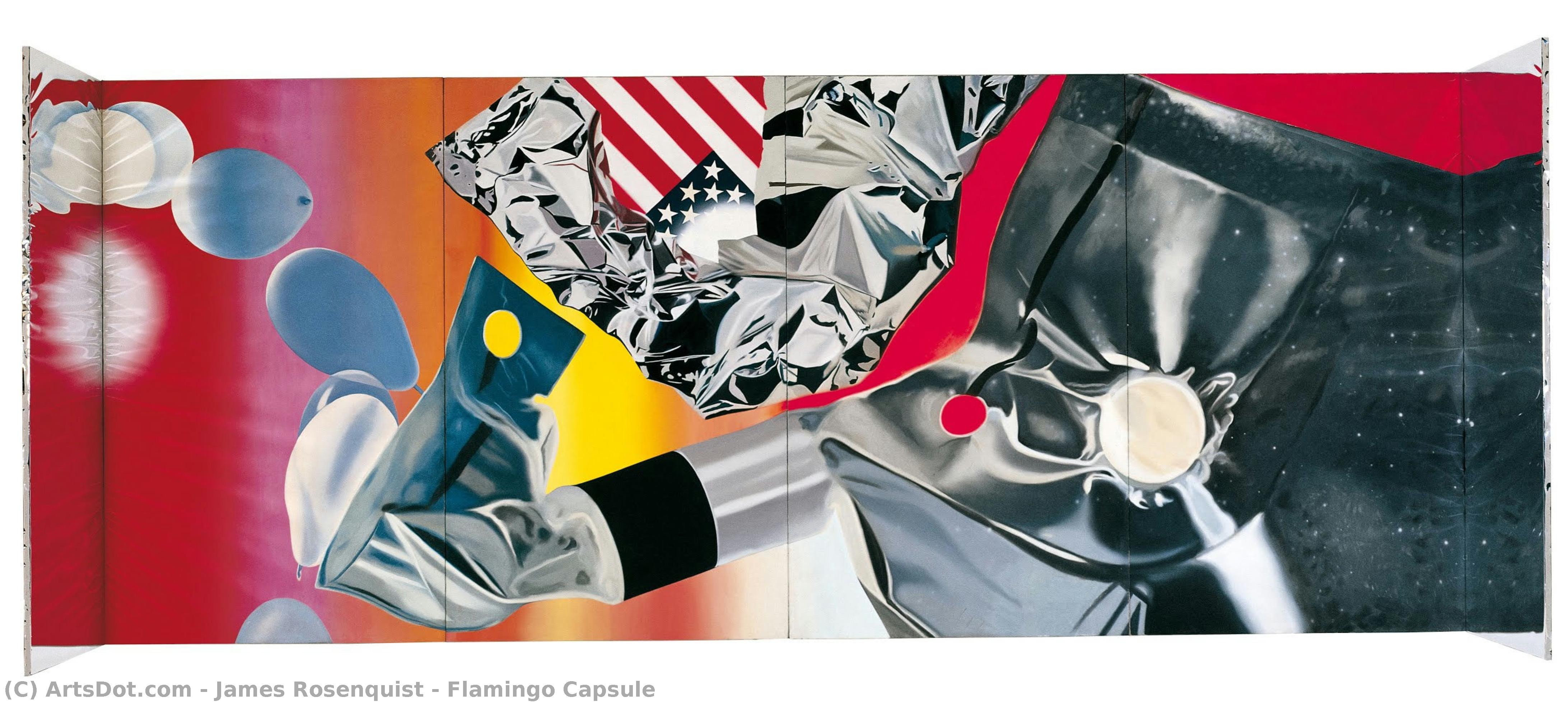
James Rosenquist’s *Flamingo Capsule* (1970) is a striking canvas featuring a flamingo encased in aluminum foil, alongside balloons, a food bag, and a flag uniform. Measuring over 26 meters long, this artwork embodies Pop Art's fascination with technology and space exploration while presenting an enigmatic composition.

Tutustu James Rosenquistin (1933-2017) uraan pop art -taiteilijana! Hänen suurikokoisensa maalauksensa yhdistävät mainonnan, surrealismin ja amerikkalaisen kulttuurin kiehtoviin kuvatarinoihin.

Käsinmaalattu öljykopio

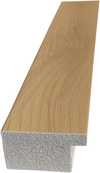
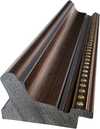
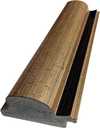
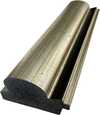
Käsinmaalattu öljyväri kankaalle haluamassasi koossa ja kehyksissä, taiteilijoidemme valmistamana tilauksesta.
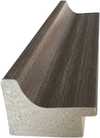
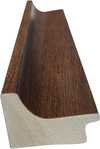
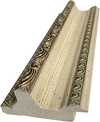
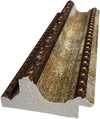
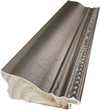
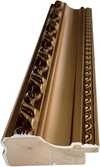
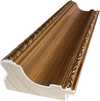
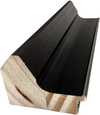
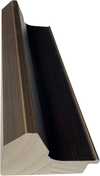
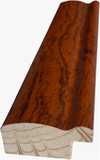
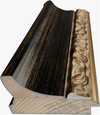
P118B $10
P118H $10
P118W $10
P438Z $10
P508JH $12
P508YH $12
P805H $10
P805Z $10
P919BZ $10
P919G $10
P919XJ $10
P959ZH $10
P968JZ $12
W106C $8
W218G $10
W218JH $8
W218Y $10
W307PJ $10
W316G $10
W316PJ $8
W316Y $10
W398PJ $8
W4111J $10
W500HY $15
W500JH $15
W692G $12
W849H $8
W940BG $15
W953PJ $8

Standard
custom
CM
INCH

Valitse valmiista mitoistamme sellaiset, jotka vastaavat teoksen alkuperäisiä mittasuhteita.

leveys
korkeus

Voit syöttää omat mitat sopimaan tiettyyn kehykseen tai tilaan. Jos valitsemasi koko ei vastaa alkuperäisen kuvan mittasuhteita, rajaamme taideteoksen tai jatkamme maalausta käsin maalatuilla elementeillä. Digitaalinen esikatselu lähetetään hyväksyttäväksi ennen tuotannon aloittamista.
Huomioithan, että näytöllä oleva esikatselu ei vastaa todellista rajausta tai jatkamista. Vain digitaalinen mallikuva näyttää lopullisen sommittelun tarkasti.
Vaikka mittatilaustyöt ovat mahdollisia, suosittelemme valitsemaan mitan ennalta määritetystä listasta alkuperäisten mittasuhteiden säilyttämiseksi.

Esimerkkejä muutettavissa olevista asioista: Vaihda kasvot asiakkaan omaan valokuvaan; Lisää lemmikki (esim. korvaa kissa koiralla); Lisää piilotettu viesti taustaan; Muuta taustan maisemaa tai elementtejä.
Tilauksen jälkeen BuyPopArt.com -tiimi lähettää asiakkaalle ohjeet ja esikatselukuvan.

Maailmanlaajuinen toimitus () 3–4 viikossa tavallisen 5 viikon sijaan. (16 heinäkuu). Laadusta ei tingitä.

why_choose_icon
Ilmainen pikatoimitus ympäri maailman
why_choose_icon
Korkealaatuinen pellavakangas
why_choose_icon
Kattava kuljetusvakuutus
why_choose_icon
Tulliveron palautustakuu
why_choose_icon
Täydellinen värien vastaavuustakuu
why_choose_icon
60 päivän palautusoikeus (vain valmistusvirheet)
why_choose_icon
100% rahat takaisin -takuu
why_choose_icon
Määräalennus tarjous

Kokonaishinta

-

reproduction

Flamingo Capsule

Reproduktiotekniikka

Replikaatin koko

-

Kokonaishinta

-

Taidevisa

Jokaisessa kysymyksessä on vain yksi oikea vastaus.

Kysymys 1:
What artistic movement is James Rosenquist primarily associated with?
Kysymys 2:
The painting *Flamingo Capsule* commemorates a significant event in American history.
Kysymys 3:
What material is used to create the end panels of *Flamingo Capsule*, enhancing its visual impact?
Kysymys 4:
The composition of *Flamingo Capsule* reflects Rosenquist's fascination with:
Kysymys 5:
What is the overall stylistic approach of James Rosenquist?

Teoksen kuvaus

Flamingo Capsule: A Monumental Reflection on Tragedy and Technological Ambition

James Rosenquist’s *Flamingo Capsule*, completed in 1970, stands as a striking testament to the artist's fascination with both the mundane realities of American culture—specifically advertising—and the profound implications of space exploration. Measuring an impressive 290 x 701 x 98.5 cm, this monumental canvas commands attention and invites contemplation on themes of loss, resilience, and the relentless march of progress. Rosenquist’s approach to artmaking was deliberately antithetical to the prevailing Abstract Expressionist movement; he eschewed spontaneity for meticulous planning, employing techniques borrowed from sign painting—a craft rooted in precision and repetition—to create a visual language that simultaneously celebrates and critiques the dominant aesthetic sensibilities of his time.
  • Style: Rosenquist’s work embodies New Realism, rejecting illusionistic representation in favor of fragmented imagery and collage-like compositions. This stylistic choice aligns with his broader interest in blurring the boundaries between art and everyday life, mirroring the pervasive influence of commercial culture on the visual landscape.
  • Technique: The painting utilizes oil paint on canvas combined with aluminized Mylar panels—a material commonly employed in aerospace applications—to achieve a remarkable textural effect. Rosenquist meticulously applied pigment to create layered surfaces that capture subtle variations in color and tone, while the aluminized Mylar adds reflectivity, extending the visual scope of the artwork beyond its physical dimensions.
  • Historical Context: *Flamingo Capsule* emerged during a period marked by intense optimism regarding space exploration following Sputnik’s launch in 1957. Rosenquist deliberately referenced this pivotal moment in history—the tragic Apollo 1 fire—incorporating imagery associated with NASA and the American flag into his composition.
The artwork's visual narrative is characterized by a deliberate juxtaposition of disparate elements: crumpled foil bearing the emblem of the United States Air Force, a distorted food bag, and a balloon drifting upwards against a fiery red and yellow backdrop. These objects are not merely decorative additions; they serve as symbolic representations of various facets of American society—military might, consumerism, and aspiration—all rendered in monumental scale. Rosenquist’s masterful manipulation of perspective and color contributes to the painting's unsettling yet captivating atmosphere, prompting viewers to confront questions about mortality, ambition, and the precariousness of human endeavor. Symbolism: The flamingo itself is a recurring motif in Rosenquist’s oeuvre, representing both beauty and vulnerability—a paradoxical emblem that encapsulates his artistic preoccupation with confronting uncomfortable truths amidst dazzling visual spectacle. The aluminized Mylar panels amplify this duality, reflecting not only the painted surface but also mirroring the viewer's gaze, thereby inviting an active engagement with the artwork’s emotional core. Emotional Impact: *Flamingo Capsule* transcends mere aesthetic appreciation; it compels viewers to contemplate the complexities of human experience—the collision between dreams of grandeur and the inevitability of loss. Rosenquist’s deliberate fragmentation of imagery forces us to confront unsettling realities while simultaneously celebrating the enduring power of artistic innovation. It remains a poignant reminder that even amidst technological advancement, we are fundamentally tethered to our own mortality and burdened by the responsibility to grapple with profound existential questions.
  • Recommended Reproduction Size: For optimal visual impact, consider reproducing *Flamingo Capsule* in a large format—approximately 30 x 60 inches—to capture the painting’s monumental scale and textural richness.
  • Interior Design Considerations: The artwork's bold color palette and dynamic composition lend themselves particularly well to contemporary interior spaces characterized by minimalist aesthetics and geometric forms.
Ultimately, James Rosenquist’s *Flamingo Capsule* stands as a timeless masterpiece—a compelling fusion of artistic vision, technical prowess, and intellectual engagement that continues to resonate with audiences today.

Taiteilijan elämäkerta

James Rosenquist: A Pioneer of Pop Art and Surrealist Collage

James Rosenquist (1933 – 2017) stands as a monumental figure in American art, recognized primarily for his groundbreaking contribution to the Pop Art movement. Yet, he resisted easy categorization, forging an artistic path that blended commercial sensibilities with profound explorations of cultural iconography and psychological landscapes—a distinctive fusion that cemented his place among the most influential artists of the latter half of the 20th century. Born in Grand Forks, North Dakota, Rosenquist’s early life was marked by constant relocation as his Swedish parents pursued work opportunities across the Midwest, instilling in him a nomadic spirit that would permeate his artistic worldview. This upbringing fostered an acute awareness of visual language and its capacity to convey complex ideas—skills honed during his formative years at Minneapolis School of Art and subsequently refined at the University of Minnesota. ### Early Artistic Training and Commercial Beginnings Rosenquist’s formal artistic education provided a crucial foundation for his subsequent career, equipping him with technical proficiency and exposing him to influential artistic currents. Notably, he studied under Edwin Dickinson and George Grosz at the Minneapolis School of Art, absorbing their stylistic approaches and intellectual rigor. However, it was his apprenticeship as a billboard painter in Times Square from 1957 to 1960 that truly shaped his artistic trajectory—a period during which he mastered the techniques of large-scale commercial art while simultaneously encountering the visual vocabulary of advertising. This experience wasn’t merely about earning a living; it was an immersion into the realm of persuasive imagery and monumental scale, providing invaluable insights into how images could captivate audiences and communicate powerful messages. As he recounted later, “I studied only with the abstract artists. They had commercial artists there teaching commercial work, I didn’t bother with that. I was only interested in—see, here’s how it started. I was interested in learning how to paint the Sistine Chapel.” ### The Surrealist Influence and Breakthrough Masterpiece – F-111 Rosenquist's artistic vision transcended conventional boundaries, drawing inspiration from Surrealism alongside Pop Art principles. This hybrid approach manifested most powerfully in his iconic 1964-65 painting *F-111*, a sprawling collage that juxtaposed images of an American military aircraft with commonplace consumer products—a deliberate provocation designed to interrogate the anxieties surrounding Cold War militarization and the pervasive influence of advertising on the collective psyche. The monumental scale of *F-111* – measuring 10 feet by 86 feet – underscored Rosenquist’s commitment to exploring grand narratives and confronting viewers with unsettling juxtapositions that challenged their perceptions of reality. This artwork solidified his reputation as a visionary artist who dared to disrupt artistic conventions and engage in critical commentary on societal issues. ### Recognition and Legacy: A Lasting Impact on Contemporary Art Rosenquist achieved international acclaim in 1965 following the unveiling of *F-111* at Leo Castelli Gallery, propelling him into the spotlight of the burgeoning Pop Art movement. His collaboration with Castelli fostered a prolific artistic output spanning decades—characterized by monumental murals commissioned by Florida’s legislature and expansive studio complexes built in Aripeka, Florida—demonstrating his versatility and unwavering dedication to artistic pursuits. Rosenquist's influence extended beyond his own creations; he served on the National Council of the Arts and was inducted into the Florida Artists Hall of Fame in 2001, cementing his legacy as a champion for artists’ rights and a pivotal figure in shaping the trajectory of contemporary art. His distinctive style—characterized by fragmented imagery, monumental scale, and a masterful blend of commercial techniques with surrealist sensibilities—continues to inspire artists today, ensuring that James Rosenquist's artistic vision remains relevant and resonant across generations.
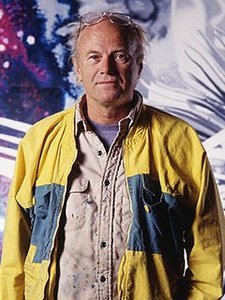
James Rosenquist

James Rosenquist

1933 - 2017 , Yhdysvallat

Pikatiedot

  • Artistic Movement Or Style: Pop Art
  • Artists Or Movements Influenced By This Artist:
    • Andy Warhol
    • Roy Lichtenstein
  • Artists Who Influenced This Artist:
    • Edwin Dickinson
    • George Grosz
  • Date Of Birth: 29. marraskuuta 1933
  • Date Of Death: 31. maaliskuuta 2017
  • Full Name: James Albert Rosenquist
  • Nationality: Amerikkalainen
  • Notable Artworks:
    • F-111
    • Target II
  • Place Of Birth: Grand Forks, Pohjois Dakota
Tutustu teoksiin, jotka on järjestetty aiheiden, tyylien ja ominaisuuksien mukaan.