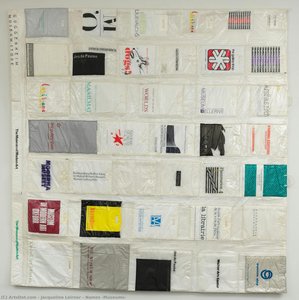
1974
1974 30.0 x 45.0 cm
Osta korkearesoluutioinen, parannettu digitaalikuva, joka on laadultaan huomattavasti parempi kuin verkkosivuston esikatselu.
Jokainen tiedosto valmistellaan huolellisesti omien asiantuntijoidemme toimesta käyttäen edistyneitä työkaluja ja ammattitaitoista manuaalista retusointia. Varmistamme, että jokaisessa kuvassa on poikkeuksellinen selkeys, tarkka värintoisto ja hienovaraiset yksityiskohdat.
Lopputiedosto toimitetaan sähköpostitse 72 tunnin kuluessa, ja se on optimoitu välittömään käyttöön ammattimaisissa, toimituksellisissa ja painoympäristöissä. Laatu on sama, johon huipputason suunnittelustudiot, kustantajat ja galleriat luottavat.
Lataa korkearesoluutioinen tiedosto henkilökohtaiseen näyttelyyn, tulostamiseen ja luoviin projekteihin. ( Osta printti Osta käsintehty maalaus)
Kun valitset BuyPopArt.com-palvelun, et saa vain kuvaa – saat ammattimaisesti parannetun digitaalisen taideteoksen, joka on luotu tarkkuudella ja jonka takaa tulee tyytyväisyystakuu. Tässä on kaikki, mitä tilauksesi sisältää, automaattisesti:

Korkearesoluutioinen digitaalinen kuvatiedostosi lähetetään sähköpostiisi 72 tunnin kuluessa tilauksesta – valmiina käytettäväksi välittömästi.

Taiteilijasi teos on optimoitu ammattimaisesti edistyneiden tekoälytyökalujen ja manuaalisen muokkauksen avulla, mikä takaa maksimaalisen yksityiskohtaisuuden, selkeyden ja väritarkkuuden.

Oletko vahingossa poistanut tai kadottanut tiedostosi? Ei hätää – lähetämme sen sinulle uudelleen milloin tahansa täysin maksutta.

Nauti taiteestasi välittömästi ilman tulleja, veroja tai toimitusmaksuja – digitaaliset lataukset ovat aina verovapaita.

Varmistamme, että digitaalinen kuvasi vastaa alkuperäisiä värejä mahdollisimman tarkasti käyttämällä ammattilaistason työkaluja ja värinhallintaa.

Jos et ole tyytyväinen digitaaliseen kuvaasi, muokkaamme sitä tai palautamme 100% takaisin 60 päivän kuluessa – ilman kysymyksiä.

Etkö ole tyytyväinen? Saat täyden hyvityksen 60 päivän kuluessa digitaalisen tiedostosi vastaanottamisesta – ilman kyselyitä.

Osta 3 kuvaa, säästä 10% - Osta 5, säästä 15% - Osta 10+, säästä 20%. Erinomainen valinta luoviin projekteihin, gallerioille ja toimistoille.
Born in Springfield, Illinois, in 1943, David Hammons’s artistic journey began not with formal training but with a profound engagement with the world around him. Raised during the Great Depression amidst financial hardship—a fact he rarely discussed—Hammons developed an early skepticism towards traditional art forms and a deep-seated interest in exploring the complexities of human experience through unconventional means. This formative period instilled within him a desire to challenge established norms and create work that spoke directly to the realities of marginalized communities, particularly African Americans navigating the social landscape of mid-20th century America.
His early years in Los Angeles proved pivotal. Studying at Chouinard Art Institute and later Otis Art Institute, Hammons was exposed to a vibrant artistic community—a “LA Rebellion” as it became known—that included figures like Charles White, Bruce Nauman, and John Baldessari. This environment fostered experimentation with collage, assemblage, and performance art, laying the groundwork for his distinctive approach. The influence of artists like Charles White, in particular, is evident in Hammons’s early work, characterized by a raw honesty and social commentary that resonated deeply with the struggles faced by Black Americans.
Hammons's artistic practice quickly evolved beyond mere representation. He began to utilize his own body as a medium—a radical departure from traditional sculptural techniques—creating “body prints” through a process of transferring pigment and graphite onto paper, capturing the textures and contours of his skin with astonishing detail. These haunting images, often imbued with a sense of vulnerability and isolation, became a signature element of his oeuvre. Simultaneously, he began collecting discarded objects – bottle caps, chicken bones, liquor bottles—transforming these everyday detritus into evocative sculptures that commented on themes of urban decay, consumerism, and the complexities of identity.
A significant shift in Hammons’s work occurred with his relocation to New York City in 1974. Here, he honed his skills as a sculptor, developing a distinctive style that combined found-object assemblage with performance art and installation. His early sculptures in the city were often characterized by their deliberate placement within public spaces—parks, sidewalks, and vacant lots—transforming ordinary environments into sites of contemplation and social critique. Works like *Bliz-aard Ball Sale* (1983), where he sold snowballs on a New York City sidewalk, and *Higher Goals* (1983; 1986)—towering basketball hoops adorned with bottle caps—became iconic symbols of his approach, blending humor, social commentary, and a profound engagement with the urban experience.
Hammons’s work is deeply rooted in concepts of representation and symbolism. He frequently employs objects that carry cultural significance – cowrie shells representing wealth and prosperity, for instance – to create layered meanings that invite viewers to engage critically with their own assumptions about race, class, and identity. His use of found objects—discarded materials imbued with histories of consumption and waste—further underscores this thematic concern, prompting reflection on the relationship between art, society, and the environment.
Throughout his career, David Hammons has consistently explored themes of identity, marginalization, and the experience of being an “outsider.” His work often reflects the realities faced by African Americans in America—the struggles with poverty, discrimination, and systemic inequality. However, his approach transcends simple representation, employing a deliberately ambiguous language that resists easy categorization. He frequently adopts the persona of a madman or a stranger, blurring the boundaries between self and other, and challenging viewers to confront their own prejudices and assumptions.
His use of performance art—often involving direct engagement with audiences—further amplifies this sense of disruption and questioning. Performances like *How Ya Like Me Now?* (1988), a series of public appearances in which he dressed in outlandish costumes and distributed small, hand-painted portraits, served as both social commentary and a personal exploration of identity.
David Hammons’s impact on contemporary art is undeniable. His pioneering use of found objects, his willingness to challenge conventional sculptural practices, and his unflinching engagement with social issues have established him as one of the most important artists working today. He has influenced a generation of artists who are exploring themes of identity, representation, and social justice through innovative and often provocative means.
Despite eschewing solo exhibitions, Hammons’s work continues to be exhibited widely in museums and galleries around the world, solidifying his position as a vital voice within the contemporary art landscape. His sculptures, performances, and installations serve as powerful reminders of the complexities of American society and the enduring need for critical reflection and social change.

1943 - , United States of America


Pysy ajan tasalla uusimmista taideuutisista, eksklusiivisista tarjouksista ja sisustusideoista.
Kerro meille projektistasi, niin taideasiantuntijamme tarjoavat sinulle kolme henkilökohtaista taidesuositusta.
Anna meidän kuratoida 3 vaihtoehtoa juuri sinulle – Ilmaiseksi!


 Esikatselu
 Jaa
Jaa Jaa
Jaa
 Tarkemmat tiedot

 Lataa
Lataa
 Samanlaisia
 Röntgenkuva
 Diaesitys
 Näytä lisää