Museolaatuisia giclée- tai kankaitaulun tulosteita nopealla tuotannolla ja joustavilla viimeistelyvaihtoehdoilla. ( Vaihda käsinmaalattuun versioon Vaihda kuvaksi)
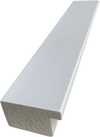
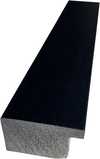

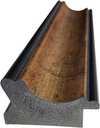
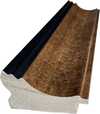

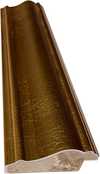
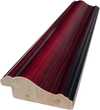
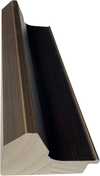

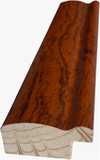
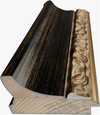
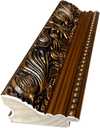
Valitse valmiista mitoistamme sellaiset, jotka vastaavat teoksen alkuperäisiä mittasuhteita.

Voit syöttää omat mitat sopiaksesi tiettyyn kehykseen tai tilaan. Jos valittu koko ei vastaa alkuperäisen kuvan mittasuhteita, rajaamme teosta tai laajennamme kuvaa peilatulla tai yhtenäisellä reunalla. Digitaalinen mallikuva lähetetään hyväksyttäväksi ennen tuotannon aloittamista.
Huomaathan, että näytöllä näkyvä esikatselu ei vastaa lopullista rajausta tai laajennusta. Vain mallikuva näyttää lopullisen sommittelun tarkasti.
Vaikka räätälöityjä kokoja on saatavilla, suosittelemme valitsemaan mitat valmiista listasta alkuperäisten mittasuhteiden säilyttämiseksi.
Toimitus maailmanlaajuisesti () kahdessa viikossa tavallisen 4–5 viikon sijaan. (3 elokuu)


Syksy
Replikaatin koko
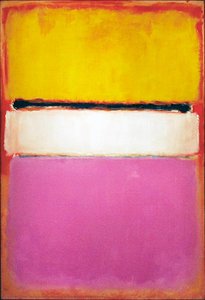
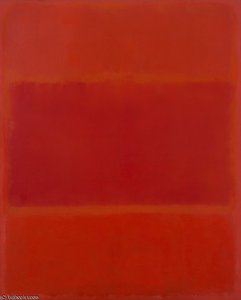
Mark Rothko’s ‘Autumn’ isn't merely a depiction of the season; it’s an ambitious exploration of emotional resonance achieved through the simplest possible means. The painting presents a series of rectangular blocks of color – deep blues suggesting shadowed windows framed by stark white – arranged with deliberate ambiguity that invites prolonged contemplation. It stands as a cornerstone of Abstract Expressionism, transcending easy categorization and embodying Rothko's profound belief in art’s capacity to evoke primal feelings within the viewer.
Rothko wasn’t interested in representing the external world; his artistic vision centered on capturing internal states—melancholy, longing, perhaps even a fragile hope peering out from behind a veil of darkness. Unlike Impressionists who sought to capture fleeting moments of light and color, Rothko aimed for something deeper: an experience that bypassed rational thought and tapped directly into the subconscious.
The technique employed in ‘Autumn’ is deceptively understated. Rothko applied paint in thin washes, layering color upon color with painstaking care to create luminous fields that seem to breathe and vibrate on the canvas. This wasn’t about meticulous brushwork or precise rendering—rather, it was about allowing the colors themselves to communicate their emotional weight. The blues chosen for these ‘windows’ aren't cheerful azure but rather a somber hue, hinting at introspection and reflecting the quietude of twilight.
The white frames surrounding the blocks of color serve as crucial elements in Rothko’s composition. They don’t simply delineate the shapes; they intensify the emotional impact of the blues, creating a sense of depth that draws the viewer inward—a visual echo of the contemplative mood he sought to convey. The overall balance is carefully considered, avoiding symmetry and lending the painting an organic quality reminiscent of natural forms.
Rothko’s intention wasn't to produce aesthetically pleasing objects but rather to provoke a visceral reaction – a feeling of awe, sadness, or even spiritual awakening. This ambition aligns perfectly with the Rothko Chapel in Houston, Texas, where fourteen canvases by Rothko are displayed as part of an immersive experience designed for meditation and reflection.
Born Marcus Yakovlevich Rothkowitz in Latvia in 1903, Rothko’s journey to becoming one of the most influential artists of the 20th century was shaped by displacement and intellectual curiosity. His family's emigration to America in 1913 instilled a sense of otherness that arguably fueled his lifelong exploration of universal themes. Initially experimenting with figurative painting—depicting cityscapes and portraits—Rothko gradually moved away from representation, driven by a desire to express deeper emotional truths.
The Second World War proved pivotal in Rothko’s artistic development. Faced with the anxieties of conflict, he turned to mythological subjects and Surrealism as mediums for conveying trauma and despair. However, it was during this period that he arrived at his signature style—large-scale color field paintings—a stylistic breakthrough that cemented his place among the titans of Abstract Expressionism.
Rothko’s unwavering commitment to his artistic vision extended beyond mere technique; it encompassed a philosophical stance rooted in Jungian psychology. He believed that art should serve as a catalyst for confronting unconscious fears and accessing hidden realms of experience—a conviction that profoundly influenced his oeuvre.
The Rothko Chapel, conceived as a space for spiritual contemplation, embodies this ethos perfectly. Its fourteen canvases—including ‘Autumn’, which occupies a prominent position—are positioned to maximize the impact of ambient light and encourage viewers to engage in quiet introspection. Owning a reproduction of this artwork isn’t simply acquiring a decorative piece; it's inviting a moment of mindful reflection into your home or office – a subtle reminder that art possesses the power to connect us to something transcendent.
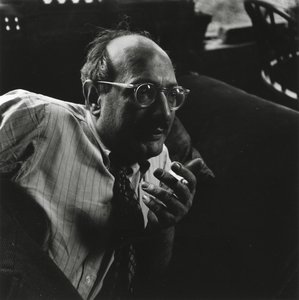
1903 - 1970 , Latvia
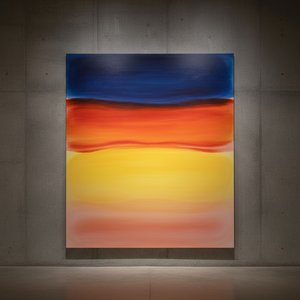
Explore the profound emotional depth of Mark Rothko's abstract expressionism. Discover the history, techniques & lasting impact of this pivotal Color Field painter. Expert insights for collectors and art enthusiasts.
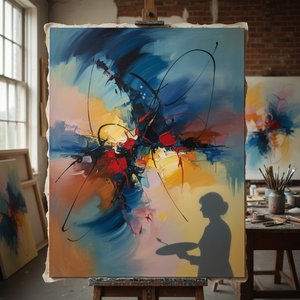
Explore the captivating world of Beatrice Parsons, a pioneering British abstract expressionist. Discover her journey from garden watercolors to evocative color field paintings and learn about her place within art history.
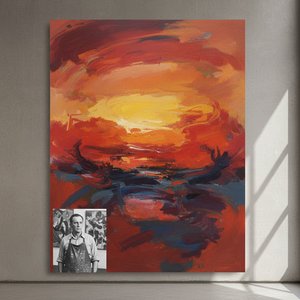
Explore the life & work of Jacob Kainen, a pivotal figure in American Abstract Expressionism and Color Field painting. Discover his journey from Social Realism to vibrant abstraction and lasting influence on 20th-century art.
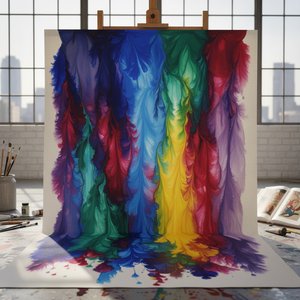
Explore the groundbreaking abstract expressionism of Morris Louis, a pioneer of Color Field painting. Discover his innovative techniques, influential series & lasting legacy in post-war American art. Learn more at BuyPopArt.

Explore the captivating world of Paul Jenkins, a pioneer of abstract expressionism & color field painting. Discover his unique ‘Phenomena’ series and investment potential for art collectors. Expert insights at BuyPopArt.


Pysy ajan tasalla uusimmista taideuutisista, eksklusiivisista tarjouksista ja sisustusideoista.
Kerro meille projektistasi, niin taideasiantuntijamme tarjoavat sinulle kolme henkilökohtaista taidesuositusta.
Anna meidän kuratoida 3 vaihtoehtoa juuri sinulle – Ilmaiseksi!


 Esikatselu
 Jaa
Jaa Jaa
Jaa
 Tarkemmat tiedot

 Lataa
Lataa
 Samanlaisia
 Röntgenkuva
 Diaesitys

 Näytä lisää

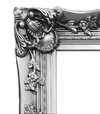
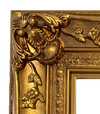
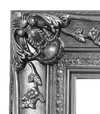
 Lasivaihtoehto on saatavilla vain alle 110 cm kokoisina teoksina