

 Öljyväri kankaalleSeinätaidePost-Impressionism
 1866Myöhäiskeskiaika
 167.0 x 105.0 cm
 Chrysler Museum of Art
Museolaatuisia giclée- tai kankaitaulun tulosteita nopealla tuotannolla ja joustavilla viimeistelyvaihtoehdoilla. ( Osta käsintehty maalaus Osta kuva)





























Valitse valmiista mitoistamme sellaiset, jotka vastaavat teoksen alkuperäisiä mittasuhteita.

Voit syöttää omat mitat sopiaksesi tiettyyn kehykseen tai tilaan. Jos valittu koko ei vastaa alkuperäisen kuvan mittasuhteita, rajaamme teosta tai laajennamme kuvaa peilatulla tai yhtenäisellä reunalla. Digitaalinen mallikuva lähetetään hyväksyttäväksi ennen tuotannon aloittamista.
Huomaathan, että näytöllä näkyvä esikatselu ei vastaa lopullista rajausta tai laajennusta. Vain mallikuva näyttää lopullisen sommittelun tarkasti.
Vaikka räätälöityjä kokoja on saatavilla, suosittelemme valitsemaan mitat valmiista listasta alkuperäisten mittasuhteiden säilyttämiseksi.
Toimitus maailmanlaajuisesti () kahdessa viikossa tavallisen 4–5 viikon sijaan. (24 elokuu)


Bather and Rocks
Replikaatin koko
Paul Cézanne's "Bather and Rocks," a captivating fragment salvaged from a monumental mural conceived during his time in southern France, offers an immediate and powerful encounter. More than just a depiction of a nude figure, it’s a distilled essence of Cézanne’s revolutionary approach to painting – a deliberate rejection of academic conventions in favor of capturing the fundamental structure of reality. Painted in 1866, this piece embodies his evolving exploration of form, color, and light, foreshadowing the burgeoning movements that would follow. The scene unfolds with an almost violent energy; the heavily muscled nude, seemingly poised on a precarious rock formation, confronts a colossal, looming boulder, as if battling against the relentless force of rushing water. This isn’t a tranquil pastoral scene; it's imbued with a sense of struggle and dynamism – a testament to Cézanne’s desire to represent not just what he saw, but how he *felt* about what he saw.
It’s crucial to understand that “Bather and Rocks” exists as a fragment of something far grander. At the time of its creation, Cézanne was transforming the walls of an 18th-century mansion into a vast landscape – a project that reflected his fascination with the natural world and his ambition to synthesize observation and imagination. The mural’s eventual dismantling in 1907, and subsequent sale of this particular section, underscores the artist's deliberate choice to isolate this powerful image. This detachment, however, doesn’t diminish its impact; rather, it concentrates the energy and intensity of Cézanne’s vision, allowing viewers to contemplate the figure and the rock in a more intimate way. The fact that it was removed from its original context adds an element of mystery – we are left with a tantalizing glimpse into a larger, unfinished world.
Cézanne’s technique is immediately recognizable and profoundly influential. He employed a method of building up forms through small, broken brushstrokes—often applied in parallel directions—creating an illusion of solidity and depth. Notice how he uses planes of color to define the rock face, layering hues to suggest volume and texture. The water itself isn't rendered with smooth transitions; instead, it’s depicted as a series of overlapping strokes, conveying its movement and force. This deliberate fragmentation of form – a hallmark of Cézanne’s style – paved the way for Cubism and profoundly impacted 20th-century art. The use of oil on canvas, transferred from plaster, highlights the tactile quality of his work, inviting us to imagine the artist's hands shaping the image directly onto the surface.
While seemingly simple in its composition, “Bather and Rocks” is rich with symbolic potential. The nude figure can be interpreted as a representation of humanity confronting nature – a struggle for survival, perhaps, or an assertion of strength against overwhelming forces. The rock itself acts as both obstacle and support, symbolizing resilience and the enduring power of the natural world. The painting’s emotional impact is undeniably visceral; it evokes feelings of awe, vulnerability, and a deep connection to the elemental forces of nature. Cézanne wasn't simply depicting a scene; he was conveying an experience – a profound meditation on the relationship between man and his environment.
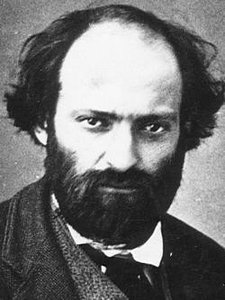
1839 - 1906 , Ranska
Tutustu Paul Cézannen 25 vaikuttavinta mestariteosta! Postimpressionismin huipputeoksia, still life -maalauksia ja ikonisia maisemia. Löydä taiteen tarinat ja inspiroi kotisi sisustusta BuyPopArt.com:ssa. Tutki kokoelma verkossa!
Tutustu 10 ikoniseen impressionistimaisemaan! Claude Monet’n ja muiden mestareiden teokset heräävät eloon. Taiteen historiaa, tekniikoita ja inspiraatiota kotiisi – BuyPopArt.com:sta löydät museolaatuiset taideprintit ja sisustusehdotukset. Tutki kokoelma verkossa!
Explore the rich history of landscape art with BuyPopArt. Discover renowned artists, movements like Impressionism & Romanticism, and expert guidance for collecting timeless pieces. Find your perfect serene escape today!

Explore the rich history of landscape art with BuyPopArt. Discover renowned artists, movements like Impressionism & tonalism, and expert guidance for collecting timeless pieces. Find your perfect serene escape today!

Uppoudu impressionismin maailmaan! Tutustu 10 ikoniseen mestariteokseen Monet'sta Renoiriin. Taidetta kotiisi – löydä upeat taideprintit ja öljyvärimaalaukset BuyPopArtilta. Explore the full collection online!


Pysy ajan tasalla uusimmista taideuutisista, eksklusiivisista tarjouksista ja sisustusideoista.
Kerro meille projektistasi, niin taideasiantuntijamme tarjoavat sinulle kolme henkilökohtaista taidesuositusta.
Anna meidän kuratoida 3 vaihtoehtoa juuri sinulle – Ilmaiseksi!


 Esikatselu
 Jaa
Jaa Jaa
Jaa
 Tarkemmat tiedot

 Lataa
Lataa
 Samanlaisia
 Röntgenkuva
 Diaesitys
 Näytä lisää







 Lasivaihtoehto on saatavilla vain alle 110 cm kokoisina teoksina


