

 Öljyväri paneelilleEarly Netherlandish Renaissance
 1441Myöhäiskeskiaika
 Kuninkaalliset Taidemuseot Brysselissä
Osta korkearesoluutioinen, parannettu digitaalikuva, joka on laadultaan huomattavasti parempi kuin verkkosivuston esikatselu.
Jokainen tiedosto valmistellaan huolellisesti omien asiantuntijoidemme toimesta käyttäen edistyneitä työkaluja ja ammattitaitoista manuaalista retusointia. Varmistamme, että jokaisessa kuvassa on poikkeuksellinen selkeys, tarkka värintoisto ja hienovaraiset yksityiskohdat.
Lopputiedosto toimitetaan sähköpostitse 72 tunnin kuluessa, ja se on optimoitu välittömään käyttöön ammattimaisissa, toimituksellisissa ja painoympäristöissä. Laatu on sama, johon huipputason suunnittelustudiot, kustantajat ja galleriat luottavat.
Lataa korkearesoluutioinen tiedosto henkilökohtaiseen näyttelyyn, tulostamiseen ja luoviin projekteihin. ( Osta printti Osta käsintehty maalaus)
Kun valitset BuyPopArt.com-palvelun, et saa vain kuvaa – saat ammattimaisesti parannetun digitaalisen taideteoksen, joka on luotu tarkkuudella ja jonka takaa tulee tyytyväisyystakuu. Tässä on kaikki, mitä tilauksesi sisältää, automaattisesti:

Korkearesoluutioinen digitaalinen kuvatiedostosi lähetetään sähköpostiisi 72 tunnin kuluessa tilauksesta – valmiina käytettäväksi välittömästi.

Taiteilijasi teos on optimoitu ammattimaisesti edistyneiden tekoälytyökalujen ja manuaalisen muokkauksen avulla, mikä takaa maksimaalisen yksityiskohtaisuuden, selkeyden ja väritarkkuuden.

Oletko vahingossa poistanut tai kadottanut tiedostosi? Ei hätää – lähetämme sen sinulle uudelleen milloin tahansa täysin maksutta.

Nauti taiteestasi välittömästi ilman tulleja, veroja tai toimitusmaksuja – digitaaliset lataukset ovat aina verovapaita.

Varmistamme, että digitaalinen kuvasi vastaa alkuperäisiä värejä mahdollisimman tarkasti käyttämällä ammattilaistason työkaluja ja värinhallintaa.

Jos et ole tyytyväinen digitaaliseen kuvaasi, muokkaamme sitä tai palautamme 100% takaisin 60 päivän kuluessa – ilman kysymyksiä.

Etkö ole tyytyväinen? Saat täyden hyvityksen 60 päivän kuluessa digitaalisen tiedostosi vastaanottamisesta – ilman kyselyitä.

Osta 3 kuvaa, säästä 10% - Osta 5, säästä 15% - Osta 10+, säästä 20%. Erinomainen valinta luoviin projekteihin, gallerioille ja toimistoille.
In the quiet corridors of the Royal Museums of Fine Arts in Brussels, there exists a window into the profoundest depths of human grief and divine compassion. Rogier van der Weyden’s Pietà, completed around 1441, is not merely a painting; it is a visceral experience that transcends the boundaries of time. At its heart, the work captures the devastating moment of the Lamentation, where the Virgin Mary cradles the lifeless, broken body of her son, Jesus Christ. The composition is a masterclass in emotional gravity, drawing the viewer into a sacred space where the weight of mortality meets the hope of redemption. Through his revolutionary use of oil on wood panel, Van der Weyden achieves a luminous clarity that allows the textures of cold flesh, heavy drapery, and weathered stone to breathe with an almost startling vitality.
The technical brilliance of this Early Netherlandish masterpiece lies in its meticulous realism, a departure from the more rigid Gothic traditions of the past. Van der Weyden, who likely began his journey as a goldsmith, brought a jeweler's precision to the canvas. Every fold of Mary’s mantle and every subtle shift in the pallor of Christ’s skin is rendered with an exacting devotion to detail. This level of craftsmanship does more than showcase skill; it serves a higher purpose. The artist uses light and shadow to sculpt the figures, creating a three-dimensional presence that invites the observer to witness the scene as if standing within the very shadows of Golgotha. For the collector or lover of fine art, this painting represents the pinnacle of technical mastery, where every brushstroke is an act of devotion.
Beyond its striking visual beauty, the Pietà is a dense tapestry of theological symbolism designed to provoke deep spiritual contemplation. Every element within the frame serves as a silent sermon. Beneath Christ’s feet, the presence of a skull acts as a poignant memento mori, a stark reminder of death and the biblical legacy of Adam’s fall. This connection between the first man and the Savior underscores the theme of universal suffering and the promise of grace. Even the landscape itself participates in this narrative; the withered, skeletal trees flanking the central figures symbolize the desolation brought about by sin, yet they stand as silent witnesses to the transformative power of the sacrifice being depicted.
The emotional architecture of the piece is further enriched by the inclusion of secondary figures, such as John the Evangelist, whose presence provides a human connection to the divine tragedy. The interplay between the characters—the way Mary presses her cheek against her son’s limp head—creates a rhythmic movement of sorrow that guides the eye through the composition. For those seeking to bring a sense of profound history and contemplative peace into a curated space, this work offers an unparalleled depth. It is a piece that does not merely decorate a room but transforms it, providing a focal point for reflection on the enduring human condition and the timeless beauty of classical devotion.
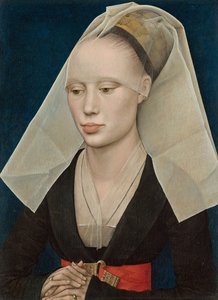
1400 - 1464 , Belgia


Pysy ajan tasalla uusimmista taideuutisista, eksklusiivisista tarjouksista ja sisustusideoista.
Kerro meille projektistasi, niin taideasiantuntijamme tarjoavat sinulle kolme henkilökohtaista taidesuositusta.
Anna meidän kuratoida 3 vaihtoehtoa juuri sinulle – Ilmaiseksi!


 Esikatselu
 Jaa
Jaa Jaa
Jaa
 Tarkemmat tiedot

 Lataa
Lataa
 Samanlaisia
 Röntgenkuva
 Diaesitys
 Näytä lisää