

 Acrylic On CanvasWallArtCapitalist Realism
 1968
1968 60.0 x 50.0 cm
 Serralves-museo
Osta korkearesoluutioinen, parannettu digitaalikuva, joka on laadultaan huomattavasti parempi kuin verkkosivuston esikatselu.
Jokainen tiedosto valmistellaan huolellisesti omien asiantuntijoidemme toimesta käyttäen edistyneitä työkaluja ja ammattitaitoista manuaalista retusointia. Varmistamme, että jokaisessa kuvassa on poikkeuksellinen selkeys, tarkka värintoisto ja hienovaraiset yksityiskohdat.
Lopputiedosto toimitetaan sähköpostitse 72 tunnin kuluessa, ja se on optimoitu välittömään käyttöön ammattimaisissa, toimituksellisissa ja painoympäristöissä. Laatu on sama, johon huipputason suunnittelustudiot, kustantajat ja galleriat luottavat.
Lataa korkearesoluutioinen tiedosto henkilökohtaiseen näyttelyyn, tulostamiseen ja luoviin projekteihin. ( Osta printti Osta käsintehty maalaus)
Kun valitset BuyPopArt.com-palvelun, et saa vain kuvaa – saat ammattimaisesti parannetun digitaalisen taideteoksen, joka on luotu tarkkuudella ja jonka takaa tulee tyytyväisyystakuu. Tässä on kaikki, mitä tilauksesi sisältää, automaattisesti:

Korkearesoluutioinen digitaalinen kuvatiedostosi lähetetään sähköpostiisi 72 tunnin kuluessa tilauksesta – valmiina käytettäväksi välittömästi.

Taiteilijasi teos on optimoitu ammattimaisesti edistyneiden tekoälytyökalujen ja manuaalisen muokkauksen avulla, mikä takaa maksimaalisen yksityiskohtaisuuden, selkeyden ja väritarkkuuden.

Oletko vahingossa poistanut tai kadottanut tiedostosi? Ei hätää – lähetämme sen sinulle uudelleen milloin tahansa täysin maksutta.

Nauti taiteestasi välittömästi ilman tulleja, veroja tai toimitusmaksuja – digitaaliset lataukset ovat aina verovapaita.

Varmistamme, että digitaalinen kuvasi vastaa alkuperäisiä värejä mahdollisimman tarkasti käyttämällä ammattilaistason työkaluja ja värinhallintaa.

Jos et ole tyytyväinen digitaaliseen kuvaasi, muokkaamme sitä tai palautamme 100% takaisin 60 päivän kuluessa – ilman kysymyksiä.

Etkö ole tyytyväinen? Saat täyden hyvityksen 60 päivän kuluessa digitaalisen tiedostosi vastaanottamisesta – ilman kyselyitä.

Osta 3 kuvaa, säästä 10% - Osta 5, säästä 15% - Osta 10+, säästä 20%. Erinomainen valinta luoviin projekteihin, gallerioille ja toimistoille.
Sigmar Polke's "Sem título" (1968), a deceptively simple grid of black and white photographs, is far more than just a collection of meticulously arranged objects. It’s a profound exploration of memory, displacement, and the inherent instability of visual perception – themes deeply rooted in the artist’s own turbulent personal history. Born in Poland amidst the upheaval of World War II and subsequently forced to flee to Germany as a child, Polke carried with him an indelible awareness of precariousness and the fragmented nature of identity. This photograph, executed during a pivotal period of artistic experimentation in Düsseldorf, embodies this sensibility through its stark austerity and deliberate reduction of visual information.
The photographs themselves depict a series of still lifes – commonplace objects like furniture fragments, cutlery, and small decorative items – presented against uniformly neutral backgrounds. The compositions are remarkably geometric, emphasizing the inherent shapes and forms of each element. There’s an almost clinical precision to their arrangement, yet this formality is immediately undercut by the deliberate use of shadow and light. Polke masterfully employs a consistent lighting scheme that casts deep, dramatic shadows, lending a sense of weight and solidity to the seemingly mundane subjects. The perspective is frontal and straightforward, eschewing any illusionistic depth or attempt at creating a convincing three-dimensional space. This flattening effect reinforces the photograph’s conceptual core – it's not about depicting reality, but rather about distilling it down to its essential components.
“Sem título” is inextricably linked to Polke’s influential movement, “Kapitalistischer Realismus,” which he co-founded with Gerhard Richter and Konrad Fischer (alias Konrad Lueg) in the early 1960s. This artistic stance rejected the prevailing avant-garde trends of the time, rejecting both abstract expressionism and socialist realism. Instead, it embraced a deliberately uninspired, almost banal style of imagery – mimicking the aesthetic conventions of advertising, mass media, and consumer culture. Polke’s work in this period reflects this ethos; the photographs are devoid of any overt emotionality or artistic pretension, mirroring the detached, repetitive visuals found in commercial art. This deliberate lack of stylistic flourish serves to highlight the inherent artificiality of representation itself, prompting viewers to question how we perceive and interpret images.
The technical execution of “Sem título” is as significant as its conceptual content. Polke’s approach involved a careful balance between control and chance. He utilized a Rollei camera, meticulously framing each composition before capturing the image. However, the subsequent printing process introduced an element of unpredictability. Polke experimented with techniques such as chemical staining and manipulation of negatives and positives, creating layered images that defy simple categorization. The photographs are not simply reproductions of the original arrangements; they’re transformed through a complex interplay of light, shadow, and photographic chemistry. This deliberate blurring of boundaries between photography and painting reflects Polke's broader interest in exploring the limits of both mediums.
Despite its apparent simplicity, “Sem título” is rich with symbolic meaning. The arrangement of objects – seemingly ordinary items elevated to a sculptural form – can be interpreted as a meditation on memory and loss. The starkness of the black and white palette evokes a sense of melancholy and detachment, mirroring Polke’s own experience of displacement and exile. The photographs subtly suggest a feeling of fragmentation and instability, reflecting the artist's awareness of the precariousness of identity in a rapidly changing world. Ultimately, “Sem título” is not merely a visual record; it’s an evocative exploration of the human condition – a poignant reminder of the enduring power of memory and the complexities of perception.
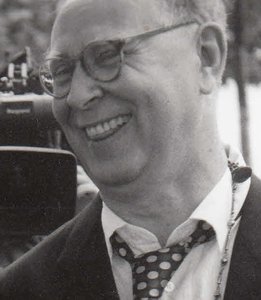
1941 - 2010 , Saksa


Pysy ajan tasalla uusimmista taideuutisista, eksklusiivisista tarjouksista ja sisustusideoista.
Kerro meille projektistasi, niin taideasiantuntijamme tarjoavat sinulle kolme henkilökohtaista taidesuositusta.
Anna meidän kuratoida 3 vaihtoehtoa juuri sinulle – Ilmaiseksi!


 Esikatselu
 Jaa
Jaa Jaa
Jaa
 Tarkemmat tiedot

 Lataa
Lataa
 Samanlaisia
 Röntgenkuva
 Diaesitys
 Näytä lisää


