Oil On CanvasWallArtHigh Renaissance
 1519
1519 179.0 x 207.0 cm
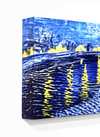
Käsinmaalattu öljyväri kankaalle haluamassasi koossa ja kehyksissä, taiteilijoidemme valmistamana tilauksesta. ( Switch to Print Switch to Image)

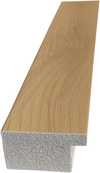
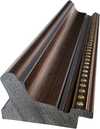
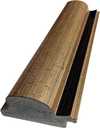
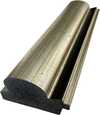
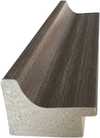
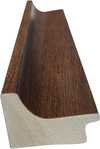
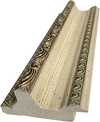
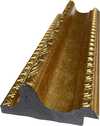
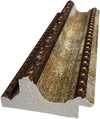
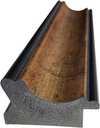
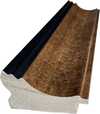
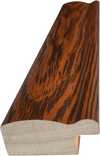
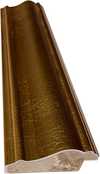
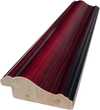
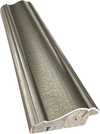
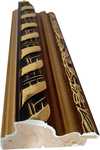
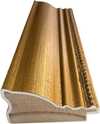
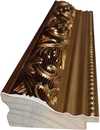
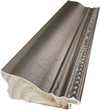
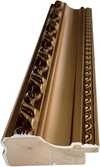
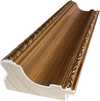
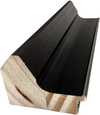
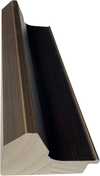
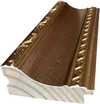
Valitse valmiista mitoistamme sellaiset, jotka vastaavat teoksen alkuperäisiä mittasuhteita.

Voit syöttää omat mitat sopimaan tiettyyn kehykseen tai tilaan. Jos valitsemasi koko ei vastaa alkuperäisen kuvan mittasuhteita, rajaamme taideteoksen tai jatkamme maalausta käsin maalatuilla elementeillä. Digitaalinen esikatselu lähetetään hyväksyttäväksi ennen tuotannon aloittamista.
Huomioithan, että näytöllä oleva esikatselu ei vastaa todellista rajausta tai jatkamista. Vain digitaalinen mallikuva näyttää lopullisen sommittelun tarkasti.
Vaikka mittatilaustyöt ovat mahdollisia, suosittelemme valitsemaan mitan ennalta määritetystä listasta alkuperäisten mittasuhteiden säilyttämiseksi.
Maailmanlaajuinen toimitus () 3–4 viikossa tavallisen 5 viikon sijaan. (29 heinäkuu). Laadusta ei tingitä.


The Annunciation
Replikaatin koko
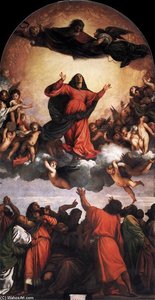
Titian’s “The Annunciation,” painted in 1519, presents a captivating and profoundly enigmatic scene that transcends the conventional religious iconography of its time. Measuring an impressive 179 x 207 cm, this work is not merely a depiction of Mary's acceptance of the divine message; it’s a complex meditation on human experience, rendered with Titian’s signature mastery of color and form. The painting depicts Mary kneeling in prayer, attended by an angel – yet, the scene is subtly unsettling, dominated by the presence of Philip II, the young heir to the Venetian throne, playing the organ. This unexpected inclusion immediately elevates the work beyond a straightforward biblical narrative.
Art historians have long debated the meaning behind this unusual composition, with many suggesting an allegorical interpretation. The prevailing theory posits that Titian employed the scene to represent the four senses – touch, sight, and hearing – through a carefully orchestrated interplay of elements. Mary’s kneeling posture and the angel's comforting presence evoke the sense of touch, while the vibrant colors and the musical performance stimulate the eye and ear respectively. The nakedness of Philip II, a bold artistic choice for the period, further reinforces this sensual reading, representing the raw, unfiltered experience of sensation.
It’s crucial to note that Titian was not adhering to any established mythological themes; instead, he seems to have deliberately subverted traditional religious conventions to explore fundamental aspects of human perception. This innovative approach aligns with the broader intellectual currents of the Renaissance, which emphasized observation and experience as pathways to knowledge.
Executed in oil on wood panel, “The Annunciation” exemplifies Titian's unparalleled skill in manipulating color. His use of rich, saturated hues – deep reds, blues, and golds – creates a luminous effect that seems to emanate from within the canvas. The artist’s brushwork is loose and expressive, contributing to the painting’s sense of movement and vitality. Notice particularly the rendering of Mary's drapery, which flows with an almost ethereal quality, achieved through subtle gradations of color and light.
Created in 1519, “The Annunciation” reflects the artistic and intellectual climate of Venice during the High Renaissance. Titian was a leading figure in the Venetian School, which prioritized color and sensual experience over the more austere ideals of Florentine art. This painting demonstrates his willingness to challenge conventions and explore new avenues for artistic expression. Its unusual subject matter and innovative composition have ensured its place as one of Titian’s most intriguing and debated works, offering a profound insight into the artist's genius and the complexities of Renaissance thought.
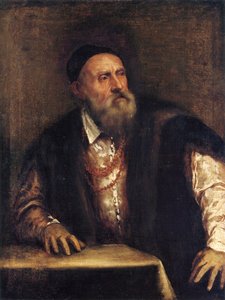
1490 - 1576 , Italia
Tutustu Metropolitan Museum of Artin 25 kuuluisimpaan teokseen! Uppoudu impressionismin, renessanssin ja modernin taiteen maailmaan. Löydä mestariteoksia Monétista Van Goghiin ja inspiroidu kodin sisustukseen BuyPopArt.comissa. Tutki kokoelma verkossa!

Tutustu Sandro Botticellin 25 upeimpaan mestariteokseen! Uppoudu renessanssin kauneuteen, mystisiin tarinoihin ja taiteilijan ainutlaatuiseen tyyliin. Taideprintit ja korkealaatuiset kopiot kotiisi BuyPopArt.com:ssa. Tutustu kokoelma!

Tutustu Jacopo Tintoretton 25 upeimpaan mestariteokseen! Uppoudu venetsialaisen renessanssin dramaattiseen maailmaan ja löydä taiteen historiaa. Laadukkaat taideprintit sisustukseesi BuyPopArt.comissa.
Tutustu Alte Pinakotekin 25 kuuluisimpaan mestariteokseen! Renessanssista barokkiin – Dürerin, Rembrandtin ja Vermeerin kaltaisten taiteilijoiden tarinat. Löydä inspiraatiota kotiisi BuyPopArtilla. Tutustu kokoelma verkossa!

Tutustu MoMA:n 25 ikonista mestariteosta! Vincent van Gogh, Picasso, Warhol ja muut taidemaailman legendat. Löydä inspiraatiota sisustukseen ja hanki korkealaatuisia taideprinttejä BuyPopArt.comista. Tutki kokoelma verkossa!


Pysy ajan tasalla uusimmista taideuutisista, eksklusiivisista tarjouksista ja sisustusideoista.
Kerro meille projektistasi, niin taideasiantuntijamme tarjoavat sinulle kolme henkilökohtaista taidesuositusta.
Anna meidän kuratoida 3 vaihtoehtoa juuri sinulle – Ilmaiseksi!


 Preview
 Jaa
Jaa Jaa
Jaa
 Tarkemmat tiedot

 Lataa
Lataa
 Samanlaisia
 Röntgenkuva
 Diaesitys
 Näytä lisää
 Lasivaihtoehto on saatavilla vain alle 110 cm kokoisina teoksina