Huile sur toile peinte à la main, avec cadre et dimensions personnalisés, réalisée sur commande par nos artistes. ( Passer au tirage Passer à l'image)





























Choisissez parmi nos formats prédéfinis qui respectent les proportions originales de l’œuvre.

Vous pouvez saisir vos propres dimensions pour l'adapter à un cadre ou à un espace spécifique. Si la taille sélectionnée ne correspond pas aux proportions de l'image d'origine, nous recadrerons l'œuvre ou prolongerons la peinture avec des éléments peints à la main supplémentaires. Une maquette numérique vous sera envoyée pour approbation avant le début de la production.
Veuillez noter que l'aperçu à l'écran ne reflète pas le recadrage ou l'extension réels. Seule la maquette montrera fidèlement la composition finale.
Bien que des tailles personnalisées soient disponibles, nous vous recommandons de sélectionner une dimension dans la liste prédéfinie afin de préserver les proportions d'origine.
Livraison dans le monde entier () en 3 à 4 semaines au lieu des 5 semaines habituelles. (11 août). Aucun compromis sur la qualité.


Coca Cola
Format de la reproduction
L'œuvre « Coca Cola » d'Andy Warhol, créée en 1964 dans le cadre de sa série emblématique de sérigraphies, transcende la simple illustration commerciale ; elle s'impose comme une pierre angulaire du Pop Art et témoigne de l'approche révolutionnaire de Warhol en matière d'expression artistique. Cette représentation en apparence simple — quatre bouteilles de Coca Cola disposées horizontalement sur un fond blanc immaculé — représente bien plus qu'une simple image de marque ; elle incarne les angoisses et les aspirations de la culture américaine du milieu des années 1960.
La technique de Warhol était avant-gardiste pour son époque. Plutôt que de superposer laborieusement la peinture sur la toile, il a utilisé la sérigraphie — une méthode empruntée à l'imprimerie commerciale — pour obtenir une distribution uniforme de la couleur sur chaque bouteille. Ce processus impliquait le transfert d'images photographiques sur des plaques d'acétate, puis le passage de l'encre à travers des écrans au maillage fin, permettant d'obtenir simultanément plusieurs impressions identiques. La répétition délibérée de l'image n'était pas seulement une question d'efficacité ; elle servait de commentaire puissant sur la production de masse et la culture de consommation.
L'année 1964 fut témoin d'une montée sans précédent du consumérisme américain, alimentée par la prospérité économique et l'évolution des valeurs sociales. La série Coca Cola de Warhol est arrivée précisément au moment opportun pour capturer cet esprit du temps — reflétant l'influence omniprésente de la publicité et l'homogénéisation des goûts. Simultanément, elle répondait à l'intérêt croissant pour la répétition et l'imagerie sérielle, faisant écho aux évolutions de la musique (notamment la Beatlemania) et des arts visuels.
Bien qu'il s'agisse indéniablement d'une promotion de produit, « Coca Cola » opère sur plusieurs niveaux symboliques. Les bouteilles elles-mêmes représentent l'accessibilité — la présence ubiquitaire de Coca Cola dans la vie américaine — mais servent également de supports à l'exploration par Warhol de la répétition et du brouillage des frontières entre l'art et le commerce. Le fond blanc pur accentue la simplicité de l'image, dépouillant tout détail superflu pour se concentrer uniquement sur la forme et la couleur de la bouteille.
Malgré son esthétique minimaliste, le Coca Cola de Warhol possède une profondeur émotionnelle surprenante. La perspective froide et détachée transmet un sentiment de calme au milieu du paysage social turbulent de l'époque — un contraste délibéré avec les débats passionnés entourant les droits civiques et les protestations contre la guerre du Vietnam. En fin de compte, « Coca Cola » invite à une contemplation sur les thèmes de la répétition, de l'authenticité et du rôle de l'art dans le reflet et le façonnement de nos perceptions de la réalité.
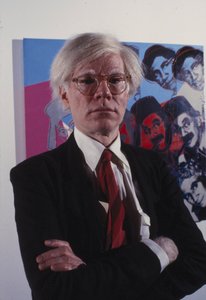
1928 - 1987 , États-Unis d'Amérique

Ditch the clichés. Celebrate a legendary retirement with bold Pop Art masterpieces. From Warhol-inspired oils to custom street art commissions, discover high-impact, hand-painted works designed to make a statement. Elevate their next chapter with unmistakable style and color.

Discover the electric energy of Pop Art featuring young girls. Explore a visual journey through bold, iconic street art styles, from neo-pop aesthetics to high-impact dopamine decor designed to transform your space with vibrant, contemporary culture.

Discover how the Pop Art revolution and street art vibes are redefining modern interiors. Explore trend forecasts on bold colors, iconic imagery, and high-impact graphic styles to transform your space with unapologetic, culturally-driven aesthetic energy.

Explore the high-octane fusion of classical icons and modern street art. Discover how bold pop aesthetics and urban textures are redefining contemporary interiors through our expert trend forecast for collectors and design enthusiasts.

Master the art of high-impact living with our expert trend forecast. Discover how to transform your space using bold Pop Art, urban street style, and vibrant graphic textures to create a visually stunning, culturally-charged interior that commands attention.


Restez informé(e) des dernières actualités artistiques, des offres exclusives et des idées de décoration.
Parlez-nous de votre projet et nos experts en art vous proposeront 3 suggestions d'œuvres personnalisées.
Laissez-nous sélectionner 3 œuvres rien que pour vous – Gratuit !


 Aperçu en situation
 Envoyer
 Partager
 Détails de l'œuvre

 Télécharger
 Articles similaires
 Radiographie
 Diaporama
 Lire la suite







 L'option verre n'est disponible que pour les dimensions inférieures à 110 cm.