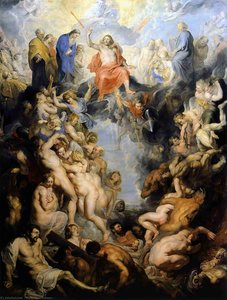
Huile sur panneauBaroque Style
 1630
1630 67.0 x 52.0 cm
Huile sur toile peinte à la main, avec cadre et dimensions personnalisés, réalisée sur commande par nos artistes. ( Commander l'impression Télécharger l'image haute résolution)





























Choisissez parmi nos formats prédéfinis qui respectent les proportions originales de l’œuvre.

Vous pouvez saisir vos propres dimensions pour l'adapter à un cadre ou à un espace spécifique. Si la taille sélectionnée ne correspond pas aux proportions de l'image d'origine, nous recadrerons l'œuvre ou prolongerons la peinture avec des éléments peints à la main supplémentaires. Une maquette numérique vous sera envoyée pour approbation avant le début de la production.
Veuillez noter que l'aperçu à l'écran ne reflète pas le recadrage ou l'extension réels. Seule la maquette montrera fidèlement la composition finale.
Bien que des tailles personnalisées soient disponibles, nous vous recommandons de sélectionner une dimension dans la liste prédéfinie afin de préserver les proportions d'origine.
Livraison dans le monde entier () en 3 à 4 semaines au lieu des 5 semaines habituelles. (14 août). Aucun compromis sur la qualité.


Thomas Howard, Deuxième Comte d'Arundel
Format de la reproduction
The painting “Thomas Howard, Second Count of Arundel” by Peter Paul Rubens is more than simply a likeness; it’s a carefully constructed tableau of power, status, and the burgeoning intellectualism of 17th-century England. Completed in 1630, this oil on panel work transcends mere portraiture, offering a glimpse into the life of a prominent nobleman deeply embedded within the political landscape of his time. Rubens, already establishing himself as a master of Baroque dynamism, skillfully employs color, composition, and subtle symbolism to create an image that is both imposing and profoundly human.
Rubens’s approach immediately draws the eye with a masterful use of chiaroscuro – the dramatic interplay of light and shadow. The subject, Thomas Howard himself, is bathed in a warm, golden glow, highlighting his features and emphasizing his aristocratic bearing. This deliberate illumination contrasts sharply with the darker background, creating a sense of depth and drawing the viewer into the scene. Notice how Rubens doesn’t simply paint Howard; he sculpts him with light, imbuing the portrait with an almost theatrical quality.
Rubens was a pioneer of the Baroque style, characterized by its dramatic intensity, rich colors, and dynamic compositions. In “Thomas Howard,” he masterfully employs these elements to create an image that is both visually stunning and emotionally resonant. The brushstrokes are loose and expressive, conveying a sense of movement and energy – a hallmark of Rubens’s technique.
The color palette is particularly noteworthy. Rubens utilizes a vibrant range of hues—deep reds, blues, and golds—to create a luxurious and opulent effect. These colors not only enhance the visual appeal of the portrait but also contribute to its overall sense of grandeur. The artist's use of *sfumato*, a technique involving subtle gradations of tone, softens the edges of Howard’s features and creates an atmosphere of depth and mystery.
Furthermore, Rubens’s understanding of anatomy is evident in the precise rendering of Howard’s musculature and skeletal structure. He skillfully captures the nuances of human form, creating a portrait that is both realistic and idealized. The composition itself—Howard positioned centrally within a dark background—reinforces his importance and authority.
“Thomas Howard, Second Count of Arundel” offers a valuable glimpse into the world of Elizabethan England. It’s not simply a portrait of an individual; it's a reflection of the era’s values, beliefs, and social structures. The emphasis on wealth, status, and military prowess reflects the prevailing priorities of the time.
Thomas Howard himself was a significant figure in English history, serving as the Second Count of Arundel and playing a key role in the political affairs of his day. His position within the court and his involvement in various diplomatic missions underscore the importance of this portrait as a historical document. The painting serves as a testament to his influence and legacy.
Considering the broader context of Rubens’s career, this work exemplifies his ability to seamlessly blend artistic skill with political patronage. He was a highly sought-after artist by European royalty and nobility, and “Thomas Howard” stands as a prime example of his talent and versatility. It's a captivating piece that continues to resonate with viewers today, offering a window into the past and a celebration of human artistry.
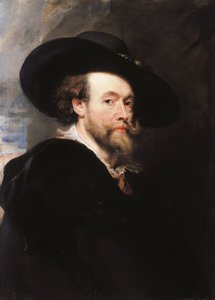
1577 - 1640 , Allemagne

Discover the breathtaking drama of Flemish Baroque art. Explore the mastery of Rubens and Van Dyck through an expert lens, focusing on chiaroscuro, opulent detail, and the emotional intensity that defines this legendary era of visual impact.


Restez informé(e) des dernières actualités artistiques, des offres exclusives et des idées de décoration.
Parlez-nous de votre projet et nos experts en art vous proposeront 3 suggestions d'œuvres personnalisées.
Laissez-nous sélectionner 3 œuvres rien que pour vous – Gratuit !


 Aperçu en situation
 Envoyer
 Partager
 Détails de l'œuvre

 Télécharger
 Articles similaires
 Radiographie
 Diaporama
 Lire la suite







 L'option verre n'est disponible que pour les dimensions inférieures à 110 cm.