

 Acrylic On CanvasWallArtMinimalist Abstract Expressionism
 1964
1964 183.0 x 183.0 cm
 MoMA - Museum of Modern Art
Giclée tisak muzejske kvalitete ili otisak na platnu uz brzu proizvodnju i fleksibilne opcije završne obrade. ( Kupi ručno naslikanu sliku Kupi digitalnu sliku)





























Odaberite jednu od naših unaprijed definiranih veličina koje odgovaraju izvornim proporcijama umjetničkog djela.

Možete unijeti vlastite dimenzije kako biste umjetničko djelo prilagodili specifičnom okviru ili prostoru. Ako odabrana veličina ne odgovara proporcijama izvornog rada, izrezat ćemo dio slike ili je proširiti pomoću ogledalnog efekta ili jednobojne rubne površine. Digitalni prikaz (mockup) bit će vam poslan na odobrenje prije početka proizvodnje.
Imajte na umu da pregled na zaslonu ne odražava stvarno izrezivanje ili proširivanje. Samo će mockup točno prikazati konačnu kompoziciju.
Iako su dostupne prilagođene veličine, preporučujemo odabir dimenzije iz unaprijed definirane liste kako biste očuvali izvorne proporcije.
Dostava širom svijeta () u roku od 2 tjedna umjesto standardnih 4/5 tjedana. (13 Kolovoz)


The Tree
Veličina reprodukcije
Agnes Martin's "The Tree," painted in 1964, isn’t a painting that shouts for attention; rather, it invites a slow, deliberate engagement. Measuring a substantial 183 x 183 cm, this work embodies the core tenets of Minimalist art – reduction to essential forms, an embrace of objectivity, and a profound exploration of space and perception. It's a piece that speaks volumes through its silence, offering a meditative experience for the viewer as much as it does a visual one.
The artwork’s foundation lies in a deceptively simple arrangement: horizontal lines, rendered in subtle variations of pale grey and white, stretch across the canvas. These aren't perfectly aligned or uniformly thick; instead, they possess a gentle irregularity, a slight wobble that imbues the composition with an organic quality despite its geometric structure. This deliberate imperfection is key to Martin’s approach – she sought to capture the essence of feeling rather than precise representation. The technique employed appears to be meticulous layering of thin paint, likely acrylic or oil, creating a surface that feels both smooth and subtly textured, hinting at the artist's hand in shaping this serene landscape.
To understand “The Tree,” it’s crucial to consider Agnes Martin’s artistic journey. Born in 1912 in Mackinaw City, Canada, her early life was marked by constant relocation following the death of her father. This nomadic upbringing fostered a sense of detachment and an appreciation for vast, open spaces – qualities that would become central to her art. Martin initially pursued education in English and art, eventually finding her voice within the burgeoning Minimalist movement of the 1960s. Influenced by artists like Sol LeWitt and Donald Judd, she rejected traditional representational painting, instead focusing on the fundamental elements of line, shape, and color to evoke emotional responses.
The period surrounding 1964 was a pivotal one for Minimalist art, characterized by a desire to strip away all extraneous detail and focus solely on the inherent qualities of materials and processes. Martin’s work aligns perfectly with this ethos, offering a quiet counterpoint to the more assertive and conceptual approaches of some of her contemporaries. The grid-like structure, reminiscent of early 20th-century geometric abstraction, subtly nods to the legacy of artists like Piet Mondrian, while simultaneously forging its own distinct path.
While “The Tree” resists overt interpretation, its formal elements invite contemplation. The repetitive horizontal lines can be seen as pathways or currents – perhaps representing the passage of time, the flow of experience, or even the vastness of the landscapes that shaped Martin’s early life. The subtle variations in tone and thickness create a sense of depth, not through perspective, but through a carefully orchestrated modulation of light and shadow. This is a painting about feeling, rather than seeing; it's an invitation to lose oneself within its quiet rhythm.
Martin herself often resisted assigning specific meanings to her work, preferring that viewers find their own interpretations. The simplicity of the composition allows for a deeply personal connection – each viewer brings their own experiences and emotions to bear on this understated masterpiece. The absence of a central focal point encourages a holistic viewing experience, demanding that we engage with the entire surface of the canvas.
"The Tree" by Agnes Martin is more than just a painting; it’s an embodiment of tranquility and introspection. BuyPopArt offers meticulously crafted hand-painted reproductions that faithfully capture the nuances of this iconic work, ensuring that its quiet resonance can be experienced in any setting. Its minimalist aesthetic makes it exceptionally versatile, lending itself beautifully to contemporary interiors – from serene living rooms to contemplative studies. The subtle tonal variations create a calming effect, while the irregular lines add a touch of organic warmth. Investing in a reproduction of “The Tree” is an investment in a piece of art that speaks directly to the soul, offering a moment of respite and reflection in our increasingly complex world.

1912 - 2004 , Kanada

Otkrijte subtilnosti apstraktne umjetnosti u modernom uređenju interijera! Stručni savjeti za odabir boja, tehnika i stilova. Inspiracija & kvaliteta BuyPopArt.
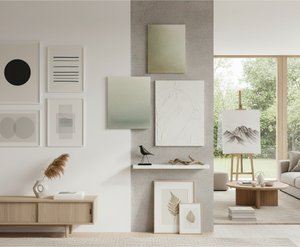
Find serenity with 10 minimalist masterpieces! Explore Agnes Martin, Rothko & more. Discover the stories behind iconic abstract art, neutral palettes & calming designs. Museum-quality reproductions at BuyPopArt.com – elevate your home decor today!

Istražite 25 remek-djela Kazimira Maleviča i uronite u svijet apstraktne umjetnosti i suprematizma. Otkrijte priče iza 'Crnog kvadrata' i drugih ikona moderne umjetnosti. Kvalitetne reprodukcije slika dostupne na BuyPopArt.com!

Explore the emotional depth of minimalist art with BuyPopArt. Discover key artists like Agnes Martin & Donald Judd, investment potential, and how to collect this influential movement. Expert insights for discerning collectors.

Explore 10 iconic monochrome artworks – from Yves Klein to Rothko – that masterfully showcase color intensity. Discover the stories behind these timeless paintings & find museum-quality reproductions for your home at .


Budite u tijeku s najnovijim umjetničkim vijestima, ekskluzivnim ponudama i idejama za dekoraciju.
Recite nam nešto o svom projektu, a naši će stručnjaci za umjetnost pripremiti 3 personalizirana prijedloga umjetnina.
Dopustite nam da odaberemo 3 opcije samo za Vas – Besplatno!


 Pregledaj u stvarnoj veličini
 Pošalji
 Podijeli
 Detalji o umjetničkom djelu

 Preuzmi
 Slični predmeti
 Rentgenska snimka
 Automatska prezentacija
 Prikaži više







 Opcija stakla dostupna je samo za dimenzije manje od 110 cm


