

Ručno oslikano uljanim bojama na platnu u dimenzijama i okviru po vašem izboru, izrađeno po narudžbi od strane naših umjetnika. ( Kupi print Kupi digitalnu sliku)
Odaberite jednu od naših unaprijed definiranih veličina koje odgovaraju izvornim proporcijama umjetničkog djela.

Možete unijeti vlastite dimenzije kako bi odgovarale određenom okviru ili prostoru. Ako odabrana veličina ne odgovara proporcijama izvorne slike, izrezat ćemo umjetničko djelo ili proširiti sliku dodatnim ručno oslikanim elementima. Digitalni nacrt bit će vam poslan na odobrenje prije početka proizvodnje.
Imajte na umu da pregled na ekranu ne prikazuje stvarno izrezivanje ili proširivanje. Samo će nacrt točno prikazati konačni sastav.
Iako su dostupne prilagođene veličine, preporučujemo odabir dimenzije s preddefiniranog popisa kako bismo očuvali izvorne proporcije.
Isporuka širom svijeta () u roku od 3-4 tjedna umjesto standardnih 5 tjedana. (15 Kolovoz). Bez kompromisa u kvaliteti.


Indescribable horrors
Veličina reprodukcije
This stark black-and-white photograph, titled "Indescribable Horrors," offers a chilling glimpse into the aftermath of unimaginable suffering at Bergen-Belsen concentration camp in April 1945. Captured by Australian war artist Lieutenant Alan Moore, it serves as a powerful testament to the atrocities committed during World War II and stands as a poignant symbol of Nazi terror and the Holocaust.
Bergen-Belsen was initially established in 1940 but transformed into a collection point for Jewish prisoners evacuated from other camps as Allied forces advanced. Overwhelmed resources and rampant disease led to horrific conditions, with tens of thousands starving, sick, and dying. British and Canadian forces liberated the camp on April 15, 1945, revealing scenes so appalling that photographic units were dispatched to document them. Moore, attached to one such unit, meticulously recorded these horrors through sketches, drawings, and photographs – this image being among them. He described his process as a desperate attempt to capture the reality before it was lost or dismissed, stating, "I took a roll of 35mm photographs, which I’ve still got. They show everything that was there.”
The photograph presents a chaotic and disturbing scene: Nazi soldiers and onlookers gathered around a truck laden with corpses. The composition is crowded, emphasizing the scale of the event and the unsettling presence of those observing. Soldiers are actively handling bodies, while an individual wielding a whip adds to the sense of brutality. A large group – men, women, and children – stand as witnesses, their expressions obscured but conveying a palpable unease. The image utilizes traditional black-and-white film processing, resulting in a grainy texture that enhances the somber mood. The lighting is relatively flat, further contributing to the overall sense of despair. Perspective appears somewhat flattened, prioritizing documentation over creating a highly realistic illusion.
Beyond its immediate depiction of horror, "Indescribable Horrors" carries profound symbolic weight. It embodies the dehumanization of victims and the moral corruption inherent in totalitarian regimes. The image serves as a stark reminder of genocide and war crimes, prompting reflection on the fragility of human dignity and the importance of remembering such atrocities to prevent their recurrence. The photograph's emotional impact is undeniable; it’s a deeply unsettling visual record that challenges viewers to confront the darkest aspects of human history.

1953 - , United Kingdom
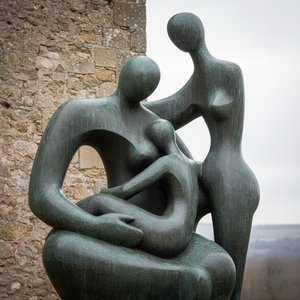
Explore the revolutionary sculptures of Henry Moore – abstract forms, reclining figures & powerful expressions of the human condition. Discover his legacy & artistic process with BuyPopArt.

Explore the life & critical work of Alan Clutton-Brock, a leading British art critic renowned for his insights into landscape painting and atmospheric realism. Discover his influence on post-war artistic discourse.

Explore 10 defining documentary photography masterpieces – from Dorothea Lange to Robert Capa. Discover powerful stories, iconic images & timeless art for your home. Museum-quality prints at .


Budite u tijeku s najnovijim umjetničkim vijestima, ekskluzivnim ponudama i idejama za dekoraciju.
Recite nam nešto o svom projektu, a naši će stručnjaci za umjetnost pripremiti 3 personalizirana prijedloga umjetnina.
Dopustite nam da odaberemo 3 opcije samo za Vas – Besplatno!


 Pošalji
 Podijeli
 Detalji o umjetničkom djelu

 Preuzmi
 Slični predmeti
 Automatska prezentacija


 Prikaži više




































 Opcija stakla dostupna je samo za dimenzije manje od 110 cm


