Kupite digitalnu sliku visoke rezolucije i poboljšane kvalitete, koja je znatno superiornija od online prikaza.
Svaka datoteka pedantno je pripremljena od strane naših internih stručnjaka koristeći napredne alate i vještinsku ručnu retušu. Osiguravamo da svaka slika ima iznimnu jasnoću, preciznu točnost boja i visoku razinu detalja.
Konačna datoteka dostavlja se putem e-pošte u roku od 72 sata, optimizirana za neposrednu upotrebu u profesionalnim, uredničkim i tiskarskim okruženjima. To je ista kvaliteta kojoj vjeruju vrhunski studiji dizajna, izdavači i galerije.
Preuzmite datoteku visoke rezolucije za osobnu izložbu, tisak i kreativne projekte. ( Kupi print Kupi ručno naslikanu sliku)
Odabirom BuyPopArt.com ne dobivate samo sliku – dobivate profesionalno unapređeno digitalno umjetničko djelo, izrađeno s najvećom preciznošću uz jamstvo zadovoljstva. Evo svega što automatski dolazi uz vašu narudžbu:

Vaša digitalna slika visoke rezolucije bit će vam poslana e-mailom u roku od 72 sata od narudžbe – spremna za neposrednu upotrebu.

Vaše umjetničko djelo profesionalno je optimizirano pomoću naprednih AI alata i ručnog uređivanja, čime se osigurava maksimalna razina detalja, oštrine i točnosti boja.

Slučajno ste obrisali ili izgubili svoju datoteku? Ne brinite – ponovno ćemo vam je poslati u bilo kojem trenutku, potpuno besplatno.

Uživajte u svojim umjetničkim djelima trenutno, bez carina, pristojbi ili troškova dostave – digitalne datoteke uvijek su oslobođene poreza.

Uz pomoć profesionalnih alata i upravljanja bojama, osiguravamo da vaša digitalna slika što vjernije odražava izvorne boje.

Ako niste zadovoljni svojom digitalnom slikom, revidirat ćemo je ili vratiti 100% novca u roku od 60 dana – bez ikakvih pitanja.

Niste zadovoljni? Osigurajte puni povrat novca u roku od 60 dana od primitka vaše digitalne datoteke – bez suvišnih pitanja.

Kupite 3 slike, uštedite 10% - Kupite 5 slika, uštedite 15% - Kupite 10+ slika, uštedite 20%. Odlično za kreativne projekte, galerije i agencije.
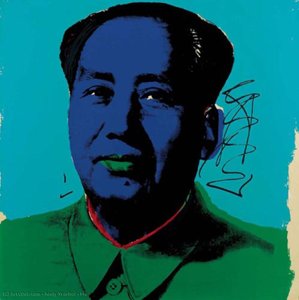
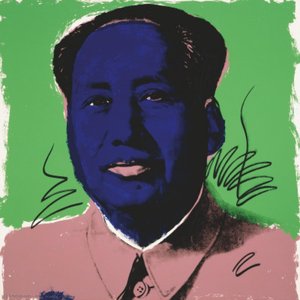
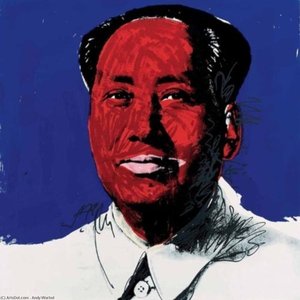
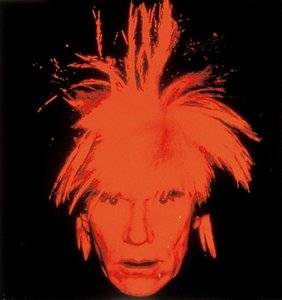
Andy Warhol's series of portraits depicting Chairman Mao Zedong stands as one of the most provocative and intellectually stimulating achievements of Pop Art. Created between 1972 and 1973, these silkscreen prints weren’t merely artistic exercises; they were bold statements about politics, celebrity culture, and the very nature of image-making in the 20th century. The work emerged during a pivotal moment in global affairs – President Richard Nixon's historic visit to China, an event that dramatically shifted Cold War dynamics and opened up a previously inaccessible nation to the West. Warhol, ever attuned to the pulse of contemporary society, seized upon this cultural phenomenon, transforming one of the most recognizable political figures into a subject for his signature style.
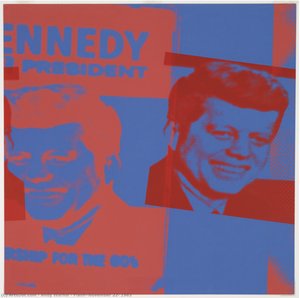
Warhol’s technique in the ‘Mao’ series is quintessential Pop. He employed silkscreen printing, a method borrowed from commercial advertising, to reproduce Mao's image repeatedly. The source material was a ubiquitous photograph of Mao widely circulated during China’s Cultural Revolution – an image intended to inspire reverence and obedience. However, Warhol deliberately subverted this intention through vibrant, often unnatural color palettes. He layered hues of pink, blue, and even garish yellows onto the iconic portrait, stripping it of its original ideological weight. This repetition, combined with the bold coloration, transforms Mao from a formidable leader into a consumable commodity, mirroring the mass production and visual saturation that Warhol so keenly observed in American consumer culture. The slight imperfections inherent in the silkscreen process – smudges, misalignments – further emphasize this deconstruction of authority, suggesting the fallibility of even the most powerful images.
The choice of Mao Zedong as a subject is laden with symbolism. Warhol wasn’t necessarily making a political endorsement; rather, he was exploring the parallels between political propaganda and commercial advertising. Both systems rely on the repeated dissemination of images to cultivate belief and desire. By treating Mao like Marilyn Monroe or Campbell's Soup cans, Warhol blurred the lines between high art and popular culture, challenging traditional notions of artistic subject matter. The sheer scale of some versions of ‘Mao’ – particularly the monumental canvases – further amplifies this effect, mimicking the imposing presence of propaganda posters. The work asks us to consider how images shape our perceptions of power, ideology, and celebrity, prompting a critical examination of the forces that govern our visual world. It's a fascinating commentary on the cult of personality, whether it surrounds a political leader or a Hollywood star.
Viewing Warhol’s ‘Mao’ evokes a complex range of emotions. There is an undeniable sense of irony, a playful dismantling of authority that can be both unsettling and liberating. The vibrant colors inject a strange energy into the portrait, creating a visual tension between reverence and irreverence. The work doesn't offer easy answers; instead, it provokes questions about the nature of representation, the power of images, and the relationship between art and politics. ‘Mao’ remains profoundly relevant today, in an era saturated with media and political spin. It serves as a potent reminder to critically examine the images we consume and the messages they convey, solidifying Warhol's place as one of the most influential artists of the 20th century.
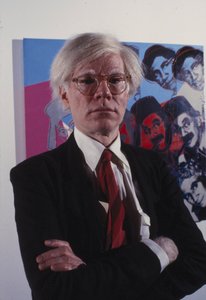
1928 - 1987 , Sjedinjene Američke Države


Budite u tijeku s najnovijim umjetničkim vijestima, ekskluzivnim ponudama i idejama za dekoraciju.
Recite nam nešto o svom projektu, a naši će stručnjaci za umjetnost pripremiti 3 personalizirana prijedloga umjetnina.
Dopustite nam da odaberemo 3 opcije samo za Vas – Besplatno!


 Pregledaj u stvarnoj veličini
 Pošalji
 Podijeli
 Detalji o umjetničkom djelu

 Preuzmi
 Slični predmeti
 Rentgenska snimka
 Automatska prezentacija

 Prikaži više