Giclée tisak muzejske kvalitete ili otisak na platnu uz brzu proizvodnju i fleksibilne opcije završne obrade. ( Kupi ručno naslikanu sliku Kupi digitalnu sliku)





























Odaberite jednu od naših unaprijed definiranih veličina koje odgovaraju izvornim proporcijama umjetničkog djela.

Možete unijeti vlastite dimenzije kako biste umjetničko djelo prilagodili specifičnom okviru ili prostoru. Ako odabrana veličina ne odgovara proporcijama izvornog rada, izrezat ćemo dio slike ili je proširiti pomoću ogledalnog efekta ili jednobojne rubne površine. Digitalni prikaz (mockup) bit će vam poslan na odobrenje prije početka proizvodnje.
Imajte na umu da pregled na zaslonu ne odražava stvarno izrezivanje ili proširivanje. Samo će mockup točno prikazati konačnu kompoziciju.
Iako su dostupne prilagođene veličine, preporučujemo odabir dimenzije iz unaprijed definirane liste kako biste očuvali izvorne proporcije.
Dostava širom svijeta () u roku od 2 tjedna umjesto standardnih 4/5 tjedana. (12 Kolovoz)


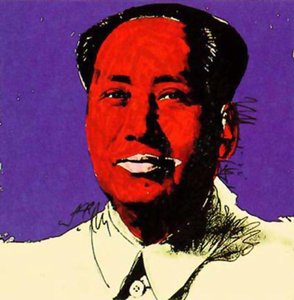
mao91
Veličina reprodukcije
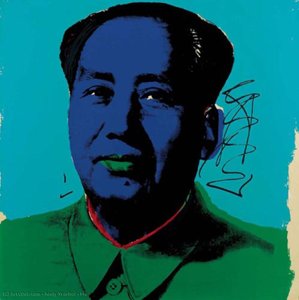
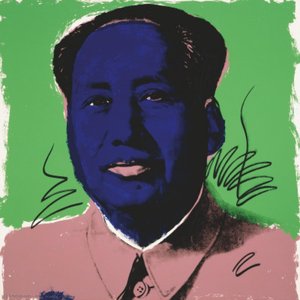
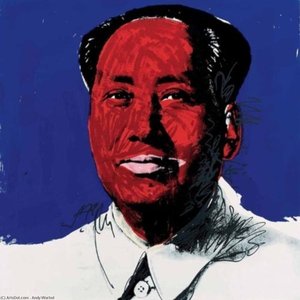
Andy Warhol's ‘Mao 91’, part of his larger 1972 series, is far more than just a portrait; it’s a seismic cultural statement. Emerging from the backdrop of shifting geopolitical landscapes and burgeoning Pop Art sensibilities, this screenprint boldly confronts notions of celebrity, power, and mass production. The image itself—a close-up of Mao Zedong's face rendered in striking shades of yellow and pink against a vibrant red background—immediately commands attention. It’s an appropriation of official propaganda, stripped of its intended reverence and recast through Warhol’s signature lens of cool detachment. The choice to focus on Mao, a figure largely inaccessible and mysterious to Western audiences at the time, was deliberately provocative. The slight distortion and repetition inherent in the screenprinting process further destabilize the image, preventing it from becoming a straightforward glorification.
Warhol’s embrace of silkscreen printing wasn't merely a stylistic choice; it was integral to his artistic philosophy. Having honed his skills in commercial illustration, he understood the power of reproduction and its ability to democratize imagery. The screenprint process, with its inherent mechanical quality, perfectly mirrored the mass-produced nature of consumer culture that Warhol so keenly observed and documented. In ‘Mao 91’, this technique takes on an added layer of meaning. By replicating Mao’s image—an icon meticulously crafted by a totalitarian regime—Warhol subtly critiques the very mechanisms of control and manipulation inherent in propaganda. The slight imperfections, the variations in color density, all serve to undermine the authority of the original portrait, transforming it into a commodity, another object for consumption within the burgeoning art market.
The early 1970s were a period of dramatic change. President Nixon’s historic visit to China in 1972—a watershed moment that began to thaw decades of Cold War hostility—provided the immediate impetus for Warhol's series. However, the work also reflects broader anxieties about American political culture and the pervasive influence of media imagery. Warhol wasn’t necessarily making a political statement *about* Mao or China; rather, he was using Mao as a symbol – a readily recognizable face to explore themes of power, celebrity, and the blurring lines between art and commerce. He saw parallels between the cult of personality surrounding Mao and the idolization of Hollywood stars, suggesting that both were products of carefully constructed narratives and mass dissemination. The vibrant color palette—a departure from the more somber tones typically associated with political imagery—further emphasizes this sense of detachment and ironic commentary.
‘Mao 91’ continues to resonate today because it taps into fundamental questions about image, power, and perception. The work challenges us to consider how images are constructed, circulated, and ultimately consumed. It's a reminder that even the most seemingly authoritative representations can be deconstructed and recontextualized. For interior designers, a reproduction of ‘Mao 91’ offers a bold statement piece—a conversation starter that injects a dose of intellectual energy into any space. Its striking colors and iconic imagery make it a versatile addition to both contemporary and modern settings. More than just an aesthetic object, Warhol's 'Mao 91' is a potent symbol of the 20th century’s complex relationship with politics, celebrity, and the ever-expanding reach of mass media.
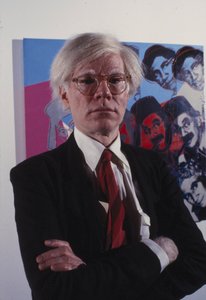
1928 - 1987 , Sjedinjene Američke Države

Ditch the clichés. Celebrate a legendary retirement with bold Pop Art masterpieces. From Warhol-inspired oils to custom street art commissions, discover high-impact, hand-painted works designed to make a statement. Elevate their next chapter with unmistakable style and color.

Discover how the Pop Art revolution and street art vibes are redefining modern interiors. Explore trend forecasts on bold colors, iconic imagery, and high-impact graphic styles to transform your space with unapologetic, culturally-driven aesthetic energy.

Master the art of digital collage. Discover how to remix pop culture icons, glitch aesthetics, and vibrant textures into high-impact Pop Art for modern urban spaces. Elevate your collection with bold, trend-setting visual strategies from the experts in contemporary graphic art.

Level up your space with the ultimate guide to nostalgic Pop & Street Art. Discover how to use bold colors, iconic graphics, and urban aesthetics to create a high-impact, trend-driven interior that celebrates pop culture history.

Master the art of high-impact living with our expert trend forecast. Discover how to transform your space using bold Pop Art, urban street style, and vibrant graphic textures to create a visually stunning, culturally-charged interior that commands attention.


Budite u tijeku s najnovijim umjetničkim vijestima, ekskluzivnim ponudama i idejama za dekoraciju.
Recite nam nešto o svom projektu, a naši će stručnjaci za umjetnost pripremiti 3 personalizirana prijedloga umjetnina.
Dopustite nam da odaberemo 3 opcije samo za Vas – Besplatno!


 Pregledaj u stvarnoj veličini
 Pošalji
 Podijeli
 Detalji o umjetničkom djelu

 Preuzmi
 Slični predmeti
 Rentgenska snimka
 Automatska prezentacija

 Prikaži više







 Opcija stakla dostupna je samo za dimenzije manje od 110 cm