Ulje na platnuZidna umjetnostBaroque
 1603Rana moderna
 300.0 x 203.0 cm
Giclée tisak muzejske kvalitete ili otisak na platnu uz brzu proizvodnju i fleksibilne opcije završne obrade. ( Kupi ručno naslikanu sliku Kupi digitalnu sliku)





























Odaberite jednu od naših unaprijed definiranih veličina koje odgovaraju izvornim proporcijama umjetničkog djela.

Možete unijeti vlastite dimenzije kako biste umjetničko djelo prilagodili specifičnom okviru ili prostoru. Ako odabrana veličina ne odgovara proporcijama izvornog rada, izrezat ćemo dio slike ili je proširiti pomoću ogledalnog efekta ili jednobojne rubne površine. Digitalni prikaz (mockup) bit će vam poslan na odobrenje prije početka proizvodnje.
Imajte na umu da pregled na zaslonu ne odražava stvarno izrezivanje ili proširivanje. Samo će mockup točno prikazati konačnu kompoziciju.
Iako su dostupne prilagođene veličine, preporučujemo odabir dimenzije iz unaprijed definirane liste kako biste očuvali izvorne proporcije.
Dostava širom svijeta () u roku od 2 tjedna umjesto standardnih 4/5 tjedana. (20 Kolovoz)


Entombment
Veličina reprodukcije
Caravaggio's "Entombment," painted in 1603-1604, stands as a pivotal work within the Baroque period and a testament to the artist’s revolutionary approach to religious painting. Commissioned for the chapel of Pietro Conti in Santa Prassede, Rome, this large canvas (300 x 203 cm) depicts the moment following Christ's crucifixion when his body is being lowered into the tomb. The scene is rendered with a raw realism and emotional intensity that was groundbreaking for its time, moving away from idealized depictions towards a more visceral portrayal of human grief and suffering.
The painting's composition is striking in its dramatic use of chiaroscuro – the stark contrast between light and shadow. Caravaggio masterfully employs this technique to draw the viewer’s eye directly to the central figures, highlighting their expressions of sorrow and anguish. The dark background serves to isolate the mourners, intensifying the emotional impact of the scene. Christ's body is positioned diagonally across the canvas, creating a sense of movement and instability that reflects the profound loss being depicted. The artist worked rapidly, often directly onto the canvas without preliminary sketches, resulting in a spontaneity and immediacy evident in the brushwork.
Created during the Counter-Reformation, "Entombment" was intended to inspire piety and devotion among viewers. The Catholic Church sought art that could effectively communicate religious narratives and evoke emotional responses. Caravaggio’s realistic portrayal of biblical figures resonated with audiences who were increasingly seeking a more personal connection to their faith. Symbolically, the painting is rich in meaning. The stone slab partially visible at the top right represents the seal placed over Christ's tomb, signifying his death and resurrection. The figures surrounding Christ – Nicodemus, Joseph of Arimathea, Mary Magdalene, and the Virgin Mary – represent different aspects of faith and mourning. Their gestures—Nicodemus’s careful handling of Christ’s body, Mary Magdalene’s grief-stricken gaze, and the Virgin's outstretched arms—convey a profound sense of loss and reverence.
What truly distinguishes "Entombment" is its ability to evoke a powerful emotional response in the viewer. Caravaggio doesn’t shy away from depicting the raw, unfiltered grief of those present at Christ's entombment. The faces are contorted with sorrow, and their bodies seem burdened by the weight of their loss. This psychological realism was unprecedented in art at the time and profoundly influenced subsequent generations of artists. The painting transcends a mere depiction of a biblical event; it becomes a universal meditation on mortality, faith, and the enduring power of human emotion.
"Entombment" is now housed within the Galleria Doria Pamphilj in Rome, Italy, continuing to captivate audiences with its dramatic intensity and artistic innovation. Caravaggio’s influence on Baroque art is undeniable, inspiring artists like Rubens and Rembrandt to explore similar themes of drama, realism, and emotional depth. The painting remains a powerful example of Caravaggio's genius and a cornerstone of Western art history.
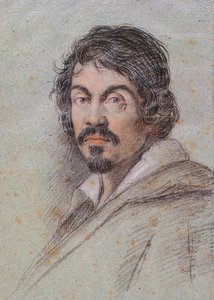
1571 - 1610 , Italija

Otkrijte 10 remekdjela barokne umjetnosti koja su obilježila epohu! Karavaggio, Bernini, Rubens i drugi majstori. Istražite priče iza slika, tehnike i vječne ljepote. Inspirirajte se za svoj interijer s BuyPopArt.com - vrhunskim reprodukcijama i kuriranim idejama za dekoraciju doma.

Explore the dramatic world of Baroque art! Discover iconic artists like Caravaggio & Rubens, defining techniques, and its lasting impact on art history. Expert insights for collectors & enthusiasts at BuyPopArt.

Explore the dramatic world of Baroque art! Discover iconic masters like Caravaggio & Rembrandt, their techniques, and the movement's lasting impact. Expert insights for collectors & enthusiasts at BuyPopArt.

Explore the captivating world of chiaroscuro & tenebrism! Discover Caravaggio's influence, Baroque masters, and the enduring power of dramatic lighting in art history. Learn about these techniques with BuyPopArt.

Embark on a sophisticated journey through Italian Baroque art. Discover the dramatic interplay of light and emotion in Caravaggio’s masterpieces and explore how to bring this timeless grandeur into your collection with expert art insights.


Budite u tijeku s najnovijim umjetničkim vijestima, ekskluzivnim ponudama i idejama za dekoraciju.
Recite nam nešto o svom projektu, a naši će stručnjaci za umjetnost pripremiti 3 personalizirana prijedloga umjetnina.
Dopustite nam da odaberemo 3 opcije samo za Vas – Besplatno!


 Pregledaj u stvarnoj veličini
 Pošalji
 Podijeli
 Detalji o umjetničkom djelu

 Preuzmi
 Slični predmeti
 Rentgenska snimka
 Automatska prezentacija
 Prikaži više







 Opcija stakla dostupna je samo za dimenzije manje od 110 cm