

 Oil On CanvasWallArtModernism
 1943
1943 41.0 x 36.0 cm
 Arts Council Collection
Giclée tisak muzejske kvalitete ili otisak na platnu uz brzu proizvodnju i fleksibilne opcije završne obrade. ( Kupi ručno naslikanu sliku Kupi digitalnu sliku)





























Odaberite jednu od naših unaprijed definiranih veličina koje odgovaraju izvornim proporcijama umjetničkog djela.

Možete unijeti vlastite dimenzije kako biste umjetničko djelo prilagodili specifičnom okviru ili prostoru. Ako odabrana veličina ne odgovara proporcijama izvornog rada, izrezat ćemo dio slike ili je proširiti pomoću ogledalnog efekta ili jednobojne rubne površine. Digitalni prikaz (mockup) bit će vam poslan na odobrenje prije početka proizvodnje.
Imajte na umu da pregled na zaslonu ne odražava stvarno izrezivanje ili proširivanje. Samo će mockup točno prikazati konačnu kompoziciju.
Iako su dostupne prilagođene veličine, preporučujemo odabir dimenzije iz unaprijed definirane liste kako biste očuvali izvorne proporcije.
Dostava širom svijeta () u roku od 2 tjedna umjesto standardnih 4/5 tjedana. (20 Kolovoz)


Diana
Veličina reprodukcije
David Bomberg’s Diana, painted in 1943, immediately draws the viewer into a moment of profound introspection. The central figure, clad in a striking red jacket, commands attention against a warm, almost incandescent orange background. Her posture—hand delicately placed near her face, suggesting contemplation or perhaps a momentary veil over deep thought—lends an air of enigmatic grace to the composition. Bomberg, a key member of the vibrant 'Whitechapel Boys,' captures not just a likeness, but a palpable state of being. The interplay between the vivid red garment and the surrounding autumnal glow creates an immediate visual tension, anchoring the viewer's gaze to the woman’s downward, thoughtful expression.
To appreciate Diana is to understand the trajectory of early 20th-century British modernism. While Bomberg’s training exposed him to the structured lessons of Cézanne and the dynamism of avant-garde movements, this piece retains a raw, emotional immediacy characteristic of his later work. His technique here suggests a masterful handling of paint, where form is suggested through bold planes of color rather than minute detail. The presence of other figures—one subtly placed in the upper left and another near the bottom right—suggests that the central subject exists within a larger social or psychological tableau. These secondary elements do not distract; rather, they frame the primary emotion, giving the scene depth beyond a simple portrait.
The title, Diana, evokes classical associations with the huntress and the goddess of the moon—figures often linked to mystery, independence, and feminine power. Yet, Bomberg grounds this mythological echo in a very human moment. The red jacket can be interpreted as passion or vitality against the backdrop of the fading orange light, perhaps symbolizing memory or the passage of time itself. The woman’s gesture is universally understood: it speaks of secrets held close, of beauty observed from within. For the collector or designer, this painting offers more than mere decoration; it offers a conversation piece—a meditation on introspection that resonates deeply in contemporary life.
Reproducing the power of Diana allows one to integrate a piece steeped in artistic history and emotional weight into any interior space. The rich palette, dominated by the fiery contrast of red and orange, makes it an exceptional focal point for rooms seeking depth and character. Whether displayed above a console table or as a centerpiece in a gallery wall, this reproduction captures Bomberg’s unique ability to infuse everyday subjects with monumental feeling. It is a piece that demands a pause, inviting quiet contemplation amidst the bustle of modern living.
Rođen u obitelji poljsko-židovskih imigranata, Abrahama i Rebecke Bomberg, David je svoje prve korake u umjetnosti napravio u Tehničkoj umjetničkoj školi City and Guilds, prije nego što je u Birminghamu prošao obuku za litograf.
Studirao je pod vodstvom Waltera Sickerta u Westminster School of Art (1908. – 1910.), pod snažnim utjecajem Sickertovog fokusa na formu i urbani život. Ključni trenutak bile su susreti s djelima Paula Cézannea putem Roger Fryjeve izložbe "Manet i postimpresionisti" iz 1910. godine. Nakon toga, pohranio je Slade School of Art (1911.), gdje je osvojio Tonksovu nagradu za crtež svog kolege studenta, Isaaca Rosenberga.
Iskustva kao obični vojnik tijekom Prvog svjetskog rata duboko su utjecala na njegov umjetnički vid, potičući odmak od apstrakcije prema nečem opipljivijem.
Dvadesete godine donijele su Bombergov prijelaz u figurativniji stil, s fokusom na portrete i pejzaže izravno oslikane iz prirode. Razvio je sve ekspresivniju tehniku, obilježenu teksturiranim impastom i emocionalnim intenzitetom.
Snažan utjecaj na njegov kasniji rad imali su opsežni putovanja kroz Bliski istok (posebno Palestina) i Europu. Njegovi prikazi Jeruzalema posebno su značajni u tom kontekstu.

1890 - 1957 , Ujedinjeno Kraljevstvo

Explore the groundbreaking work of David Bomberg, a pivotal figure in British abstraction. Discover his artistic evolution, influences, and lasting legacy through insightful analysis & expert commentary.

Explore the rich symbolism of the red dress in art history! From ancient power displays to iconic portraits like Cézanne’s 'Madame Cezanne', discover the cultural and artistic significance behind this captivating color. Expert analysis & insights.

Istražite 25 najpoznatijih djela Marka Rothka, majstora apstraktne ekspresije. Otkrijte priče iza njegovih platna, bogatih bojama i emocijama. Reprodukcije vrhunske kvalitete dostupne na BuyPopArt.com – inspiracija za vaš dom!
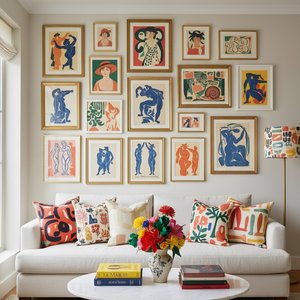
Uronite u svijet Henri Matissea! Otkrijte 25 remek-djela Fauvizma i moderne umjetnosti. Priče iza slika, boje i tehnike slavnog umjetnika. Pronađite savršenu reprodukciju za vaš interijer na BuyPopArt.com.

Explore the captivating world of Gerard David, a pivotal figure bridging late medieval artistry with the Early Renaissance. Discover his innovative techniques, religious masterpieces, and enduring legacy – a must-read for discerning art collectors.


Budite u tijeku s najnovijim umjetničkim vijestima, ekskluzivnim ponudama i idejama za dekoraciju.
Recite nam nešto o svom projektu, a naši će stručnjaci za umjetnost pripremiti 3 personalizirana prijedloga umjetnina.
Dopustite nam da odaberemo 3 opcije samo za Vas – Besplatno!


 Pregledaj u stvarnoj veličini
 Pošalji
 Podijeli
 Detalji o umjetničkom djelu

 Preuzmi
 Slični predmeti
 Rentgenska snimka
 Automatska prezentacija
 Prikaži više







 Opcija stakla dostupna je samo za dimenzije manje od 110 cm


