

Giclée tisak muzejske kvalitete ili otisak na platnu uz brzu proizvodnju i fleksibilne opcije završne obrade. ( Kupi ručno naslikanu sliku Kupi digitalnu sliku)





























Odaberite jednu od naših unaprijed definiranih veličina koje odgovaraju izvornim proporcijama umjetničkog djela.

Možete unijeti vlastite dimenzije kako biste umjetničko djelo prilagodili specifičnom okviru ili prostoru. Ako odabrana veličina ne odgovara proporcijama izvornog rada, izrezat ćemo dio slike ili je proširiti pomoću ogledalnog efekta ili jednobojne rubne površine. Digitalni prikaz (mockup) bit će vam poslan na odobrenje prije početka proizvodnje.
Imajte na umu da pregled na zaslonu ne odražava stvarno izrezivanje ili proširivanje. Samo će mockup točno prikazati konačnu kompoziciju.
Iako su dostupne prilagođene veličine, preporučujemo odabir dimenzije iz unaprijed definirane liste kako biste očuvali izvorne proporcije.
Dostava širom svijeta () u roku od 2 tjedna umjesto standardnih 4/5 tjedana. (14 Kolovoz)


Glava
Veličina reprodukcije
Deimantas Narkevičius, litewski umjetnik rođen 1964. godine u Uteni, predstavlja jednu od najznačajnijih figura hrvatske umjetnosti internacionalne scene, poznat po svojoj jedinstvenoj filozofiji filmskog stvaranja i skulpture. Počešao je svoju umjetničku edukaciju kao kipar – što nastavlja oblikovati njegov umjetnički pogled – Narkevičius je pronašao svoj put kroz istraživanje međunarodnog susreta ličnih uspomena i šire istorijske narative, posebno one temeljne za turbulentnu prošlost Litve pod sovjetskom vladavinom. Njegova djela ispituje pitanja traumatskog iskustva, identiteta i trajnog utjecaja ideologije na kulturni izraz, nudeći gledateljima izazovne meditacije o tome kako istorija oblikuje naše razumijevanje sebe i mjesta.
Fotografija prikazuje velikanski ne dovršeni marmorni bust Karla Marksa koji zauzima većinu kadra. Bojama bijelom i crnim, ona sugerira dokumentarni ili fotografski zapis procesa kovanja. Kompozicija dominirajuća je glavom i ramenima Marksa koji najviše zauzimaju prostor slike. Pozadina prikazuje skele i građevinske materijale što ukazuje na to da se kip oblikuje u radioniči ili studiju. Linije su snažne i definirane, naglašavajući konture lica i teksturu kamena koja je ostavljena nezavršenom kako bi se zadržala prirodna estetika materijala. Svijetlo je umjetnički postavljeno i fokusirano što osvetljuje sjene koje ističu volumetrijski oblik kipa. Perspektiva je djelomično izdužena zbog karakteristika fotografije, ali učinkovito prenosi veličinu spomenika. Dubina je ograničena nedostatkom atmosferskog perspektive; međutim, slojevima elemenata – glavom, skele i pozadine – postiže se osjećaj prostora.
Izgledajući na ovaj monumentalni pogled na istoriju putem umjetničke slike, možemo razumjeti kako umetnici koriste različite tehnike kako bi prenjeli emocije i ideje gledateljima. Fotografija Deimanta Narkevičiusa “The Head” predstavlja izuzetan primjer ovog pristupa.
In the quiet, evocative landscapes of Lithuania, where the echoes of a complex Soviet past still linger in the architecture and the atmosphere, the work of Deimantas Narkevičius emerges as a profound meditation on time itself. Born in 1964 in Utena, Narkevičius began his artistic journey not with the lens of a camera, but with the tactile discipline of a sculptor. This foundational training at the Vilnius Art Institute instilled in him a unique sensitivity to form, space, and materiality—a sensibility that would later breathe life into his cinematic explorations. While many artists use film merely as a medium for documentation, Narkevičius treats the moving image as a sculptural element, carving out narratives from the raw materials of historical footage, found photographs, and the heavy silence of abandoned industrial sites.
His transition from the physical weight of sculpture to the ephemeral nature of video and film was not a departure, but an evolution. As Lithuania navigated the turbulent disintegration of the Soviet Union and its subsequent rebirth as a democratic state, Narkeyičius found himself at the intersection of personal recollection and political upheaval. He became a chronicler of the "rupture"—that delicate, often painful space between what was lived and what is remembered. His work does not simply present history; it interrogates the very mechanisms by which we construct myths from reality, using techniques such as voice-overs, interviews, and carefully staged re-enactments to blur the lines between documentary truth and cinematic imagination.
The brilliance of Narkevičius’s practice lies in his ability to transform historical trauma into a poetic inquiry. He often directs his gaze toward the remnants of the Soviet era—monumental structures, decommissioned missile bases, and industrial hubs like the town of Elektrėnai. In works such as Energy Lithuania, he explores the symbiotic relationship between human vitality and the mechanical energy of power plants, treating these sites not merely as relics of a failed ideology, but as melancholic monuments to an era of vanished utopias. Through his lens, the decay of an industrial landscape becomes a metaphor for the fragility of political structures and the enduring persistence of cultural identity.
Influenced by the atmospheric depth of filmmakers like Andrei Tarkovsky and the structural experimentation of Peter Watkins, Narkevičius employs a visual language that is both intimate and expansive. He frequently utilizes close-ups to capture the nuances of human expression, grounding his larger political critiques in the lived experiences of individuals. This approach allows him to navigate the tension between the macro-history of nations and the micro-histories of the soul. His films act as a bridge, connecting the viewer to a past that may feel unrecognizable, yet remains fundamentally intertwined with the present through the persistent pull of collective memory.
The international recognition of Deimantas Narkevičius has solidified his position as one of the most significant voices in contemporary moving-image art. His presence on the global stage is marked by participation in the world's most prestigious cultural institutions, where his work challenges audiences to confront the fluidity of truth. His achievements include:
Ultimately, the significance of Narkevičius’s oeuvre lies in its refusal to offer easy answers. He does not seek to provide a definitive record of history, but rather to highlight the cracks and shadows where memory resides. By treating history as both material and methodology, he invites us to witness the ongoing process of creation—the way we constantly mold our past to make sense of our present. His work remains a vital, haunting testament to the power of art to navigate the complexities of time, identity, and the enduring human spirit.

1964 - , Lithuania

Otkrijte kako monumentalne reprodukcije transformiraju luksuzni interijer! Ekskluzivni savjeti o proporcionalnosti, odabiru i postavljanju umjetnina. Stručne konzultacije & vrhunska kvaliteta u BuyPopArt.

Explore the rich history of allegory in Western art! Discover hidden meanings in masterpieces from Giotto to Bosch & beyond. Expert insights for collectors and enthusiasts at BuyPopArt.

Explore the life & art of Karl Bryullov, a pivotal figure in Russian Romanticism. Discover his iconic paintings like 'The Last Day of Pompeii' and delve into his lasting influence on 19th-century art history.

Istražite povijest brončanog kiparstva, tehnike izrade i suvremene interpretacije. Ekskluzivni uvid za kolekcionare umjetnosti i ljubitelje skulptura. Otkrijte vrijednost i očuvanje ovih trajnih djela.
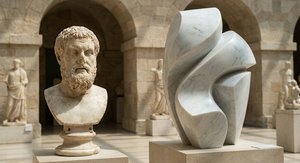
Explore the captivating history of marble sculpture from ancient Greece to modern art. Discover renowned artists like Canova & Michelangelo, carving techniques, and investment insights at BuyPopArt.


Budite u tijeku s najnovijim umjetničkim vijestima, ekskluzivnim ponudama i idejama za dekoraciju.
Recite nam nešto o svom projektu, a naši će stručnjaci za umjetnost pripremiti 3 personalizirana prijedloga umjetnina.
Dopustite nam da odaberemo 3 opcije samo za Vas – Besplatno!


 Pregledaj u stvarnoj veličini
 Pošalji
 Podijeli
 Detalji o umjetničkom djelu

 Preuzmi
 Slični predmeti
 Rentgenska snimka
 Automatska prezentacija

 Prikaži više







 Opcija stakla dostupna je samo za dimenzije manje od 110 cm


