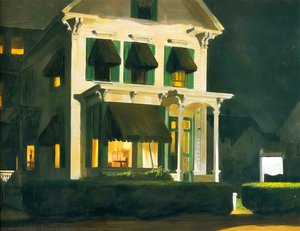
Oil On CanvasWallArtNew Realism
 1903Renaissance
 51.0 x 41.0 cm
Giclée tisak muzejske kvalitete ili otisak na platnu uz brzu proizvodnju i fleksibilne opcije završne obrade. ( Kupi ručno naslikanu sliku Kupi digitalnu sliku)





























Odaberite jednu od naših unaprijed definiranih veličina koje odgovaraju izvornim proporcijama umjetničkog djela.

Možete unijeti vlastite dimenzije kako biste umjetničko djelo prilagodili specifičnom okviru ili prostoru. Ako odabrana veličina ne odgovara proporcijama izvornog rada, izrezat ćemo dio slike ili je proširiti pomoću ogledalnog efekta ili jednobojne rubne površine. Digitalni prikaz (mockup) bit će vam poslan na odobrenje prije početka proizvodnje.
Imajte na umu da pregled na zaslonu ne odražava stvarno izrezivanje ili proširivanje. Samo će mockup točno prikazati konačnu kompoziciju.
Iako su dostupne prilagođene veličine, preporučujemo odabir dimenzije iz unaprijed definirane liste kako biste očuvali izvorne proporcije.
Dostava širom svijeta () u roku od 2 tjedna umjesto standardnih 4/5 tjedana. (12 Kolovoz)


Self-Portrait
Veličina reprodukcije
Edward Hopper's 1903 “Self-Portrait” isn’t a flamboyant declaration of ego, but rather a profoundly intimate glimpse into the artist’s soul. Rendered in oil on canvas with a deliberate simplicity that belies its emotional depth, this work immediately draws the viewer into a space of quiet contemplation. The stark black background serves not as mere absence, but as an active participant, amplifying the subject's presence and intensifying the sense of isolation—a hallmark of Hopper’s mature style. The photograph depicts a man with a thoughtful expression, his dark hair neatly combed, a brown beard and mustache framing a face etched with a subtle melancholy. He wears a tie, suggesting a professional life, yet there’s an undeniable air of detachment, as if observing the world rather than actively participating in it.
Painted during Hopper's formative years at the New York School of Art under the tutelage of William Merritt Chase and Robert Henri, this self-portrait represents a crucial transition. While influenced by the realism championed by Henri – particularly his emphasis on capturing fleeting moments and the psychological states of individuals – Hopper quickly developed a unique voice. The work demonstrates an early mastery of observation, mirroring the meticulous detail evident in his childhood sketches (as documented in biographies like “A Solitude Observed”). Notice the loose brushstrokes, reminiscent of Impressionism, yet combined with a distinctly modern sensibility; Hopper wasn’t simply replicating what he saw, but distilling it into its essential elements – light, shadow, and mood. The composition itself is carefully constructed, guiding the eye across the face and subtly hinting at an inner world.
The pose of the subject is particularly revealing. He’s not gazing directly at the viewer with a welcoming smile; instead, his gaze is averted, directed inward. This subtle shift in perspective invites us to share in his solitude, to feel the weight of unspoken thoughts. The tie, a symbol of formality and societal expectation, feels slightly out of place, further emphasizing the sense of detachment. The dark hair and mustache contribute to an air of seriousness, suggesting a contemplative nature—a man accustomed to introspection. Hopper’s use of light is masterful; it illuminates his face without overwhelming it, creating a luminous quality that simultaneously highlights his features and casts subtle shadows that deepen the mood.
“Self-Portrait” foreshadows the themes that would dominate Hopper’s career: loneliness, isolation, and the alienation of modern urban life. While painted at a relatively early stage in his artistic development, it already possesses the hallmarks of his future style – a poignant depiction of individuals adrift in a vast and impersonal world. The painting speaks to a universal human experience—the feeling of being alone even amidst crowds, the quiet yearning for connection. It’s a remarkably prescient work, anticipating the anxieties and uncertainties that would come to define much of 20th-century American art. The piece serves as a powerful reminder of Hopper's ability to capture not just appearances, but the underlying emotions that shape our lives.
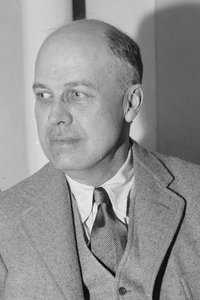
1931 - 1967 , Sjedinjene Američke Države

Explore the profound depth of American Realism. From the gritty Ashcan School to poignant social landscapes, discover how masters captured the raw soul of a nation through evocative oil paintings and timeless art history.


Budite u tijeku s najnovijim umjetničkim vijestima, ekskluzivnim ponudama i idejama za dekoraciju.
Recite nam nešto o svom projektu, a naši će stručnjaci za umjetnost pripremiti 3 personalizirana prijedloga umjetnina.
Dopustite nam da odaberemo 3 opcije samo za Vas – Besplatno!


 Pregledaj u stvarnoj veličini
 Pošalji
 Podijeli
 Detalji o umjetničkom djelu

 Preuzmi
 Slični predmeti
 Rentgenska snimka
 Automatska prezentacija
 Prikaži više







 Opcija stakla dostupna je samo za dimenzije manje od 110 cm