Akril na platnuZidna umjetnostmannerism
 1610Renesansa
 110.0 x 64.0 cm
 Muzej umjetnosti Metropolitan
Giclée tisak muzejske kvalitete ili otisak na platnu uz brzu proizvodnju i fleksibilne opcije završne obrade. ( Kupi ručno naslikanu sliku Kupi digitalnu sliku)





























Odaberite jednu od naših unaprijed definiranih veličina koje odgovaraju izvornim proporcijama umjetničkog djela.

Možete unijeti vlastite dimenzije kako biste umjetničko djelo prilagodili specifičnom okviru ili prostoru. Ako odabrana veličina ne odgovara proporcijama izvornog rada, izrezat ćemo dio slike ili je proširiti pomoću ogledalnog efekta ili jednobojne rubne površine. Digitalni prikaz (mockup) bit će vam poslan na odobrenje prije početka proizvodnje.
Imajte na umu da pregled na zaslonu ne odražava stvarno izrezivanje ili proširivanje. Samo će mockup točno prikazati konačnu kompoziciju.
Iako su dostupne prilagođene veličine, preporučujemo odabir dimenzije iz unaprijed definirane liste kako biste očuvali izvorne proporcije.
Dostava širom svijeta () u roku od 2 tjedna umjesto standardnih 4/5 tjedana. (12 Kolovoz)


Saint Andrew
Veličina reprodukcije
Doménikos Theotokópoulos, universally known as El Greco – “the Greek” – stands apart in the annals of art history as a painter who wrestled with both Byzantine tradition and Western innovation. Born in Crete in 1541, amidst the waning Venetian dominion, his artistic odyssey traversed Venice and Rome before anchoring him firmly in Spain’s Toledo, where he forged a singular style that foreshadowed the expressive fervor of Expressionism and the fractured perspectives of Cubism centuries hence.
El Greco wasn't merely responding to his surroundings; he actively synthesized them into something profoundly original. His early training within Byzantine iconography instilled in him meticulous detail and an acute understanding of religious symbolism—a foundation that wouldn’t confine him. He signed his canvases in Greek, appending “Krḗs” – Cretan – as a defiant assertion of his heritage, even as he embraced new artistic horizons.
The workshop replica of Saint Andrew, housed at The Metropolitan Museum of Art in New York, offers a glimpse into the artist’s masterful approach. Measuring 110 x 64 cm, it exemplifies El Greco's ability to fuse Byzantine solemnity with Western artistic experimentation.
Historical Context: This painting is a reflection of El Greco’s larger canvas, Saints Andrew and Francis (circa 1595), residing in Madrid’s Museo del Prado. The popularity of El Greco’s style during his lifetime underscores its enduring resonance. Saint Andrew's martyrdom—a poignant symbol of sacrifice for faith—is portrayed with palpable emotion.
Symbolism: The outstretched arms of Saint Andrew convey humility and supplication, while the two crosses he holds represent Christ’s crucifixion and symbolize redemption. The cloudy backdrop contributes to an atmosphere of spiritual contemplation.
El Greco's influence extends far beyond his own time. He is regarded as a precursor to movements like Expressionism and Cubism, inspiring artists and writers alike—Rainer Maria Rilke and Nikos Kazantzakis among them. Saint Andrew by El Greco remains an unforgettable testament to artistic genius and spiritual conviction.
For those seeking inspiration or contemplating acquiring a high-quality reproduction of this iconic artwork, further exploration into El Greco’s oeuvre is highly recommended.
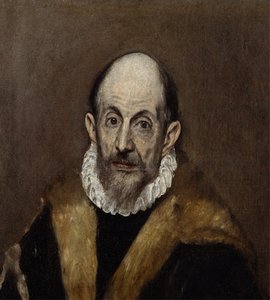
1541 - 1614 , Grčka

Uronite u svijet El Greca! Otkrijte 25 remek-djela španjolskog renesansnog genija. Istražite povijest, stil i tehniku ovih ikoničnih slika. Kupite reprodukcije visoke kvalitete za vaš dom na BuyPopArt.com

Explore the captivating world of El Greco! Discover his unique style, spiritual intensity, and lasting impact on art history. Learn about this Renaissance master's life, iconic paintings & legacy.

Explore the rich history & techniques of oil painting – from Renaissance masters to Impressionism. Discover pigments, layering methods, and why this timeless medium endures. Expert insights for artists & art enthusiasts.

Explore the rich history & enduring techniques of oil painting with BuyPopArt. Discover masterpieces, learn about art collecting, and find authentic handmade reproductions crafted by skilled artists.

Explore the rich history & enduring techniques of oil painting on canvas. Discover the science behind its longevity, conservation practices, and contemporary relevance. Expert insights for art enthusiasts.


Budite u tijeku s najnovijim umjetničkim vijestima, ekskluzivnim ponudama i idejama za dekoraciju.
Recite nam nešto o svom projektu, a naši će stručnjaci za umjetnost pripremiti 3 personalizirana prijedloga umjetnina.
Dopustite nam da odaberemo 3 opcije samo za Vas – Besplatno!


 Pregledaj u stvarnoj veličini
 Pošalji
 Podijeli
 Detalji o umjetničkom djelu

 Preuzmi
 Slični predmeti
 Rentgenska snimka
 Automatska prezentacija
 Prikaži više







 Opcija stakla dostupna je samo za dimenzije manje od 110 cm