Giclée tisak muzejske kvalitete ili otisak na platnu uz brzu proizvodnju i fleksibilne opcije završne obrade. ( Kupi ručno naslikanu sliku Kupi digitalnu sliku)





























Odaberite jednu od naših unaprijed definiranih veličina koje odgovaraju izvornim proporcijama umjetničkog djela.

Možete unijeti vlastite dimenzije kako biste umjetničko djelo prilagodili specifičnom okviru ili prostoru. Ako odabrana veličina ne odgovara proporcijama izvornog rada, izrezat ćemo dio slike ili je proširiti pomoću ogledalnog efekta ili jednobojne rubne površine. Digitalni prikaz (mockup) bit će vam poslan na odobrenje prije početka proizvodnje.
Imajte na umu da pregled na zaslonu ne odražava stvarno izrezivanje ili proširivanje. Samo će mockup točno prikazati konačnu kompoziciju.
Iako su dostupne prilagođene veličine, preporučujemo odabir dimenzije iz unaprijed definirane liste kako biste očuvali izvorne proporcije.
Dostava širom svijeta () u roku od 2 tjedna umjesto standardnih 4/5 tjedana. (12 Kolovoz)


Three figures
Veličina reprodukcije
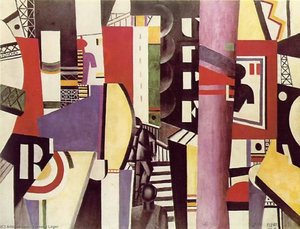
“Three Figures,” painted in 1921 by the groundbreaking artist Fernand Léger, offers a compelling glimpse into the heart of early 20th-century modernity. This work, executed in Léger's signature Cubist style, isn’t merely a depiction of three individuals; it’s an exploration of human form within the burgeoning landscape of industrialization and urban life. The painting immediately draws the eye to the central trio – two figures intimately connected through a shared embrace, and a third positioned slightly behind, suggesting a dynamic movement and interaction. Scattered throughout the composition are smaller, fragmented figures, echoing Léger’s fascination with the mechanical world and its impact on human experience.
Created during a pivotal moment in art history, “Three Figures” exemplifies Léger’s radical approach to Cubism. Unlike some of his contemporaries who sought purely abstract forms, Léger remained deeply engaged with the observable world, translating its geometric qualities – the sharp angles of machinery, the rigid lines of urban architecture – into his artistic language. The painting's fractured planes and multiple perspectives challenge traditional notions of representation, forcing the viewer to actively participate in constructing the image. Léger’s use of bold black and white further emphasizes this effect, stripping away any superfluous detail to reveal the underlying structure of form. This technique was heavily influenced by his upbringing on a farm, where he observed the precise, functional forms of agricultural tools and structures.
Beyond its formal qualities, “Three Figures” is rich in symbolic potential. The embrace between the two central figures suggests connection, intimacy, and perhaps even a yearning for stability amidst the rapid changes occurring around them. The guitar, prominently placed within the scene, adds another layer of interpretation – representing leisure, social interaction, and the burgeoning cultural life of the modern city. Léger’s deliberate use of simplified forms and stark contrasts evokes a sense of both alienation and fascination with the machine age. There's an underlying melancholy in the composition, reflecting perhaps the anxieties and uncertainties associated with this period of unprecedented technological advancement.
Painted in 1921, “Three Figures” represents a high point in Léger’s artistic development. The work demonstrates his mastery of oil paint, utilizing thick impasto to create a tactile surface that emphasizes the solidity of form. Léger's meticulous attention to detail, combined with his innovative approach to Cubism, firmly established him as one of the leading figures of the modern art movement. This piece is a testament to Léger’s ability to synthesize influences from various sources – including Fauvism and early Futurism – into a uniquely personal and powerfully expressive style. It's important to note that this painting was created during a time of immense social and technological upheaval, reflecting the anxieties and aspirations of a generation grappling with the dawn of the modern era.
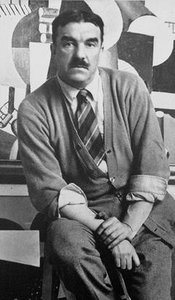
1881 - 1955 , Francuska

Discover BuyPopArt.com's premium poster prints. Featuring 12-color pigment technology and museum-grade substrates, our versatile, high-fidelity prints offer vivid colors and archival quality for sophisticated modern decor. Elevate your space with professional art solutions.

Master the art of decorating with impact. Our expert guide decodes Giclée prints, exploring archival quality, pigment-based inks, and how to choose between high-fidelity reproductions and hand-painted oils for a bold, museum-grade aesthetic in your space.


Budite u tijeku s najnovijim umjetničkim vijestima, ekskluzivnim ponudama i idejama za dekoraciju.
Recite nam nešto o svom projektu, a naši će stručnjaci za umjetnost pripremiti 3 personalizirana prijedloga umjetnina.
Dopustite nam da odaberemo 3 opcije samo za Vas – Besplatno!


 Pregledaj u stvarnoj veličini
 Pošalji
 Podijeli
 Detalji o umjetničkom djelu

 Preuzmi
 Slični predmeti
 Rentgenska snimka
 Automatska prezentacija

 Prikaži više







 Opcija stakla dostupna je samo za dimenzije manje od 110 cm