PreviewPreview Kupi otisak Kupi otisakNaručite reprodukciju Naručite reprodukciju PošaljiPošalji
Detalji o umjetničkom djeluDetalji o umjetničkom djelu Dodaj u omiljene Dodaj u omiljene PreuzmiPreuzmi Slični predmetiSlični predmeti Rentgenska snimkaRentgenska snimka Automatska prezentacijaAutomatska prezentacija

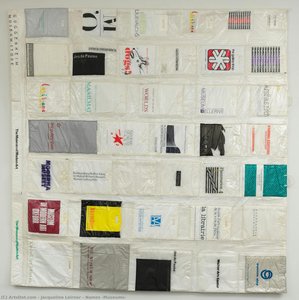
Iced Dice

  • Datum stvaranja1964
  • Dimenzije18.0 x 18.0 cm

George Brecht (1926-2008): Pioneer of Fluxus & Conceptual Art. Explore his innovative 'Event Scores,' chance-based art, and redefining of everyday life as artistic experience.

Kupite digitalnu sliku visoke rezolucije i poboljšane kvalitete, koja je znatno superiornija od online prikaza.

Svaka datoteka pedantno je pripremljena od strane naših internih stručnjaka koristeći napredne alate i vještinsku ručnu retušu. Osiguravamo da svaka slika ima iznimnu jasnoću, preciznu točnost boja i visoku razinu detalja.

Konačna datoteka dostavlja se putem e-pošte u roku od 72 sata, optimizirana za neposrednu upotrebu u profesionalnim, uredničkim i tiskarskim okruženjima. To je ista kvaliteta kojoj vjeruju vrhunski studiji dizajna, izdavači i galerije.

Digitalna slika

Preuzmite datoteku visoke rezolucije za osobnu izložbu, tisak i kreativne projekte.

Ukupna cijena

$9.99

Uključeno uz svaku narudžbu digitalne slike

Profesionalna digitalna dostava, zajamčena

Odabirom BuyPopArt.com ne dobivate samo sliku – dobivate profesionalno unapređeno digitalno umjetničko djelo, izrađeno s najvećom preciznošću uz jamstvo zadovoljstva. Evo svega što automatski dolazi uz vašu narudžbu:

shipping_icon
Brza dostava e-poštom

Vaša digitalna slika visoke rezolucije bit će vam poslana e-mailom u roku od 72 sata od narudžbe – spremna za neposrednu upotrebu.

canvas_icon
Digitalna datoteka poboljšana AI-om

Vaše umjetničko djelo profesionalno je optimizirano pomoću naprednih AI alata i ručnog uređivanja, čime se osigurava maksimalna razina detalja, oštrine i točnosti boja.

insurance_icon
Besplatna ponovna dostava doživotno

Slučajno ste obrisali ili izgubili svoju datoteku? Ne brinite – ponovno ćemo vam je poslati u bilo kojem trenutku, potpuno besplatno.

tax_icon
Bez uvoznih carina – ikada

Uživajte u svojim umjetničkim djelima trenutno, bez carina, pristojbi ili troškova dostave – digitalne datoteke uvijek su oslobođene poreza.

color_icon
Jamstvo točnosti boja

Uz pomoć profesionalnih alata i upravljanja bojama, osiguravamo da vaša digitalna slika što vjernije odražava izvorne boje.

return_icon
Jamstvo zadovoljstva u trajanju od 60 dana

Ako niste zadovoljni svojom digitalnom slikom, revidirat ćemo je ili vratiti 100% novca u roku od 60 dana – bez ikakvih pitanja.

guarantee_icon
100% Jamstvo povrata novca

Niste zadovoljni? Osigurajte puni povrat novca u roku od 60 dana od primitka vaše digitalne datoteke – bez suvišnih pitanja.

discount_icon
Popusti na velike narudžbe

Kupite 3 slike, uštedite 10% - Kupite 5 slika, uštedite 15% - Kupite 10+ slika, uštedite 20%. Odlično za kreativne projekte, galerije i agencije.


Biografija umjetnika

The Alchemist of the Everyday: George Brecht and the Art of Chance

George Brecht, born George Ellis MacDiarmid in 1926 New York City, was a quietly revolutionary figure whose work dismantled conventional notions of art, performance, and even experience itself. His journey from a practicing chemist to a pivotal conceptual artist and key precursor to Fluxus is a testament to the power of interdisciplinary thinking and a profound curiosity about the underlying structures of reality. Brecht wasn’t interested in creating objects of beauty or expressing personal emotion; instead, he sought to reveal the inherent artistry within everyday actions, chance occurrences, and the very fabric of perception. This pursuit stemmed from a deep-seated belief that art shouldn't be confined to galleries or museums but should permeate life itself, becoming an active, participatory experience for all. His early life was marked by relocation and even a change in identity—adopting “Brecht” after his marriage—perhaps foreshadowing his later dismantling of established artistic norms. While formally trained as a chemist, a profession he continued to practice alongside his art for many years, it was this scientific background that provided him with the framework for exploring systems, chance operations, and the unpredictable nature of materials.

From Chance Imagery to Event Scores: A New Artistic Language

Brecht’s intellectual foundations were laid during his time studying chemistry, where he began formulating theories about the role of chance in both scientific processes and artistic creation. This exploration culminated in *Chance Imagery*, a seminal text completed in 1957 but gaining wider circulation later, revealing an affinity for Dadaist and Surrealist projects alongside the groundbreaking work of Marcel Duchamp. It was during this period that he began his “chance paintings,” created by staining bed sheets with ink—a deliberate relinquishing of conscious control to embrace the unpredictable behavior of materials. These early experiments weren’t about achieving a specific aesthetic outcome but rather about setting up conditions for something unexpected to emerge, laying the groundwork for his most influential contribution: event scores. His collaborations with Allan Kaprow and Robert Watts were crucial in this development, leading to the creation of the *Yam Festival*, a series of participatory events designed to challenge traditional definitions of art and performance. It was within this context that Brecht invented event scores—simple, open-ended instructions for everyday tasks, intended to be performed publicly, privately, or even negated altogether. These weren’t prescriptive rules but rather invitations to engage with the world in a new way, prompting performers (and audiences) to become active creators of artistic experience.

The Cagean Influence and Redefining Artistic Boundaries

A transformative period in Brecht's development was his study with John Cage in 1957. The encounter profoundly impacted his artistic philosophy; Cage’s emphasis on prioritizing thought over aesthetics resonated deeply, reinforcing Brecht’s own inclination towards dematerialization and conceptual rigor. Cage encouraged a shift away from seeking beauty or emotional expression in art, instead advocating for an embrace of indeterminacy and the inherent qualities of sound (or, by extension, any sensory experience). This influence is palpable in the structure of event scores: concise phrases like “look at the movement of your hand” or “listen to the sound of your breath,” deliberately open-ended, allowing for a multitude of interpretations. The power of these instructions lies not in their complexity but in their simplicity—they invite mindful attention to the mundane, transforming everyday actions into potential artistic events. Furthermore, Brecht’s inclusion of the option to perform an event score *negatively* – choosing not to act at all – was a radical gesture, questioning the very necessity of performance and challenging conventional notions of art as action. This subtle yet profound element underscored his commitment to dismantling established hierarchies and expanding the boundaries of artistic possibility.

A Legacy of Participation and Conceptual Innovation

George Brecht’s impact on the landscape of contemporary art is undeniable. He stands as a key figure in the development of conceptual art, an art form that prioritizes ideas over traditional aesthetic concerns, and served as a crucial precursor to the Fluxus movement—a collective of artists who actively sought to blur the lines between art and life. His emphasis on audience participation and engagement continues to resonate with contemporary artists working in participatory art practices, inspiring them to create works that demand active involvement rather than passive observation. Brecht’s work wasn't about creating finished objects but about initiating processes, prompting reflection, and fostering a sense of shared experience. He redefined the role of the artist not as a creator of masterpieces but as a facilitator of encounters—encounters with oneself, with others, and with the world around us. His legacy extends beyond specific artworks; it lies in his enduring contribution to a way of thinking about art that is open-ended, inclusive, and deeply embedded in the rhythms of everyday life. He demonstrated that art isn't something separate from existence but an integral part of it—a lens through which we can perceive the world with renewed curiosity and wonder.
George Brecht

George Brecht

1926 - 2008 , United States of America

Kratke činjenice

  • Artistic Movement Or Style: Conceptual Art, Fluxus
  • Artists Or Movements Influenced By This Artist:
    • Fluxus
    • Conceptual Art
    • Performance Art
  • Artists Who Influenced This Artist:
    • Marcel Duchamp
    • John Cage
  • Date Of Birth: 1926
  • Date Of Death: 2008
  • Full Name: George Brecht
  • Nationality: American
  • Notable Artworks:
    • Event Scores
    • Chance Paintings
    • Drip Music
    • Word Event
  • Place Of Birth: New York City, USA