Giclée tisak muzejske kvalitete ili otisak na platnu uz brzu proizvodnju i fleksibilne opcije završne obrade. ( Prebacite se na ručno oslikano djelo Prebacite na sliku)





























Odaberite jednu od naših unaprijed definiranih veličina koje odgovaraju izvornim proporcijama umjetničkog djela.

Možete unijeti vlastite dimenzije kako biste umjetničko djelo prilagodili specifičnom okviru ili prostoru. Ako odabrana veličina ne odgovara proporcijama izvornog rada, izrezat ćemo dio slike ili je proširiti pomoću ogledalnog efekta ili jednobojne rubne površine. Digitalni prikaz (mockup) bit će vam poslan na odobrenje prije početka proizvodnje.
Imajte na umu da pregled na zaslonu ne odražava stvarno izrezivanje ili proširivanje. Samo će mockup točno prikazati konačnu kompoziciju.
Iako su dostupne prilagođene veličine, preporučujemo odabir dimenzije iz unaprijed definirane liste kako biste očuvali izvorne proporcije.
Dostava širom svijeta () u roku od 2 tjedna umjesto standardnih 4/5 tjedana. (9 Kolovoz)


Beech
Veličina reprodukcije
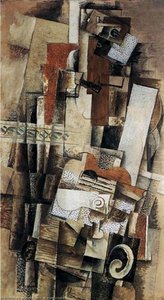
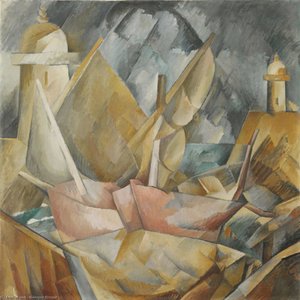
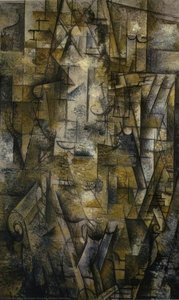
Georges Braque’s “Beech,” painted in 1906, isn’t merely a depiction of a woodland scene; it’s a profound exploration of perception and the very nature of representation. Born amidst the burgeoning artistic ferment of early 20th-century Paris, Braque was deeply influenced by Paul Cézanne's radical approach to capturing form – his insistence on analyzing objects into their fundamental geometric components. “Beech” embodies this legacy, yet it transcends simple imitation, forging a distinctly Cubist vision that simultaneously dismantles and reassembles the familiar world.
The painting immediately arrests the eye with its muted palette—a symphony of grays, ochres, and subtle blues – creating an atmosphere of quiet contemplation. It’s not a vibrant, celebratory landscape; rather, it possesses a melancholic beauty, suggesting a scene viewed through a veil of memory or perhaps even dream. The dominant tree, the beech itself, is rendered with fragmented planes and overlapping perspectives, its form dissolving into a series of interlocking geometric shapes. This isn't an attempt to create photographic realism, but instead to convey the *experience* of seeing – how our eyes perceive multiple viewpoints simultaneously.
Braque’s approach aligns closely with the principles of early Cubism, a movement he co-founded with Pablo Picasso. Cubists rejected traditional single-point perspective, opting instead to present objects from various angles at once. This technique creates an illusion of depth and volume through the layering of shapes and planes. In “Beech,” we see not just one beech tree, but several simultaneous views of it – a trick of the eye that challenges our ingrained assumptions about how things are supposed to look. The rough edges and uneven canvas suggest a deliberate rejection of smooth surfaces and polished finishes, reflecting the movement’s desire to break free from academic conventions.
Beyond its purely formal innovations, “Beech” carries a subtle symbolic weight. Beech trees are often associated with resilience, longevity, and strength – qualities mirrored in the painting’s solid, grounded presence despite its fragmented form. The inclusion of what appears to be a stream or river winding through the landscape adds an element of fluidity and movement, suggesting the passage of time and the interconnectedness of nature. The splash of red—a small, almost defiant burst of color—could represent life force, vitality, or perhaps even a hint of human presence within this otherwise austere environment.
Furthermore, the painting’s title itself – “Beech” – is significant. It's not simply naming the subject; it’s anchoring the abstraction in a tangible reality, inviting us to contemplate the essence of the tree and its place within the broader landscape. The artist’s signature, visible on the lower right corner, reinforces this connection, reminding us that we are looking at an original work created by a master of modern art.
“Beech” stands as a pivotal work in the development of Cubism and a testament to Braque’s pioneering spirit. It demonstrates his willingness to experiment with new techniques and challenge established artistic conventions, paving the way for future generations of artists. Reproductions of this painting offer a captivating glimpse into the mind of one of the 20th century's most influential figures – an artist who redefined our understanding of space, form, and representation. Its enduring appeal lies in its ability to simultaneously challenge and soothe, inviting viewers to engage with the complexities of perception and the beauty of the natural world.
Georges Braque, rođen u Argenteuilu u Francuskoj 1882. godine, krenuo je putem duboko isprepletenim s evoluirajućim krajolikom moderne umjetnosti. Odgoj unutar obitelji kućnih molera i dekoratora u njemu je usadila ne samo tehničku vještinu rukovanja materijalima, već i rano prepoznavanje važnosti forme i strukture. Iako je u početku slijedio očev zanat, Braqueove urođene umjetničke sklonosti ubrzo su ga odvele na formalno školovanje u École des Beaux-Arts u Le Havru, što je označilo početak njegovog puta prema postajanju jednom od najutjecajnijih slikara 20. stoljeća. Ova temelj, spoj praktičnog zanatstva i akademskog proučavanja, pokazao se ključnim dok je kasnije dekonstruirao i iznova zamišljao tradicionalne umjetničke konvencije.
Preselivši u Pariz 1902. godine, Braque je nastavio svoje studije na Académie Humbert, uranjajući u vibrantno umjetničko okruženje grada. Upravo je tu susreo umjetnike poput Marie Laurencin i Francisa Picabii, stvarajući veze koje će oblikovati njegov rani razvoj. Njegova početna djela odražavala su tadašnje utjecaje impresionizma i postimpresionizma, no presretan susret s odvažnim bojama i ekspresivnom slobodom fauvizma 190acije zapalio je novi smjer u njegovom umjetničkom istraživanju.
Braqueovo prihvaćanje principa fauvizma — obilježeno intenzivnom, neprirodističkom bojom i emocionalnim izrazom — živopisno je prikazano u slikama poput djela Strpljenje. Ovo razdoblje obilježeno je radom uz umjetnike kao što su Henri Matisse i André Derain, uz eksperimentiranje s vibrantnim paletama i pojednostavljenim oblicima. Međutim, Braqueova povezanost s fauvizmom nije bila tek imitacija; on ju je prožela jedinstvenim osjećajem, ublažavajući neobuzdanu euforiju pokreta suzdržanijim i analitičkim pristupom.
Preokret je nastupio 1907. godine nakon susreta s retrospektivnom izložbom djela Paula Cézannea. Cézanneov naglasak na geometrijskim oblicima i višestrukim perspektivama duboko je utjecao na Braquea, pripremajući pozornicu za njegovu revolucionarnu suradnju s Pabloom Picassoom. Počevši od 1908. godine, ova dva umjetnička titana krenula su u razdoblje intenzivne intelektualne razmjene koja će roditi kubizam — revolucionarni pokret koji je razbio tradicionalne pojmove predstavljanja.
Zajedno su Braque i Picasso razvili analitički kubizam, disekciono rastavljajući predmete u fragmentirane geometrijske oblike i prikazujući više gledišta istovremeno. Djela poput Kuće u L'Estaque demonstriraju ovu ranu fazu, prikazujući radikalno odstupanje od konvencionalne perspektive i fokus na temeljnu strukturu oblika. Njihova je paleta postala namjerno prigušena, naglašavom forme nad bojom, dok su nastojali predstaviti cjelovitost prisutnosti predmeta umjesto samo njegovog izgleda.
Partnerstvo između Braquea i Picassa nastavilo je pomagati granice umjetničkog izražavanja, što je dovelo do razvoja sintetičkog kubizma oko 1912. godine. Ova faza donijela je uvođenje kolaža — uključivanje materijala iz stvarnog svijeta, poput komadića novina, tapeta i tkanine, u slike. Ova inovacija izazvala je tradicionalnu hijerarhiju između slikarstva i kiparstva, zamagujući granice između umjetnosti i života.
Braqueova pionirska upotreba *papier collé* (lijepljeni papir) označila je značajnu prekretnicu u njegovoj umjetničkoj evoluciji. Integriranjem fragmenata svakodnevnih predmeta u svoje kompozicije, on je narušio iluzionistički prostor tradicionalnog slikarstva i uveo novu razinu materijalnosti i teksture. Ova tehnika nije samo proširila formalne mogućnosti umjetnosti, već je odražavala i rastuće zanimanje za odnos između reprezentacije i stvarnosti.
enteIzbijanje Prvog svjetskog rata 1914. godine prekinulo je ovu intenzivnu suradnju, jer je Braque bio pozvan u vojnu službu. Njegova ratna iskustva duboko su utjecala na njegovu umjetničku viziju, vodeći ga da u svom poslijeratnom radu istražuje intimnije, liričnije teme.
Nakon rata, Braqueov stil evoluirao je izvan strogih okvira kubizma, uključujući elemente klasične kompozicije i obnovljeno zanimanje za mrtvu prirodu. Zadržavajući geometrijske utjecaje koji su definirali njegove ranije radove, razvio je suptilniji i kontemplativniji pristup slikarstvu. Njegovi kasniji pejzaži i interijeri odlikuju se spokojnom atmosferom i suptilnim harmonijama boja.
Tijekom cijele svoje karijere, Braque je ostao posvećen istraživanju temeljnih principa forme, prostora i predstavljanja. Nastavio je eksperimentirati s različitim materijalima i tehnikama, pomerajući granice umjetničkog izražavanja sve do svoje smrti 1963. godine. Njegov utjecaj na sljedeće generacije umjetnika neizmjeren je; oblikovao je put moderne umjetnosti i inspirirao bezbrojne slikare, kiparce i kolažiste.
Naslijeđe Georgesa Braquea proteže se izvan njegovih pojedinačnih umjetničkih djela; on je temeljito promijenio naše razumijevanje načina na koji percipiramo i predstavljamo svijet oko sebe. Njegov suradnički duh s Picassoom, zajedno s vlastitom jedinstvenom umjetničkom vizijom, učvrstio je njegovo mjesto pravog pionira moderne umjetnosti — majstora koji se usudio izazvati konvencije i redefinirati mogućnosti slikarstva.
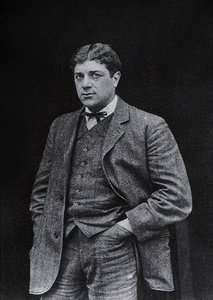
1882 - 1963 , Francuska

Explore the captivating landscapes of Alfred Worthington (1834-1927), a pivotal figure bridging Victorian realism & early Impressionism. Discover his Welsh hunting scenes, artistic evolution, and collecting guide.

Explore the life & art of George Barret Sr., a pioneer of British pastoral painting. Discover his influence on Romantic landscape art, patronage, and collecting tips from BuyPopArt.

Explore the captivating landscapes of George Elbert Burr, a pioneer of American Tonalism. Discover his masterful etchings, drypoints & watercolors – and learn about collecting this influential artist's work.

Explore the evolution of cityscape painting from Realism to contemporary art with BuyPopArt. Discover key artists & invest in timeless urban visions. Expert guidance, museum-quality reproductions.

Explore the rich history of trees in painting! Discover symbolism, Romantic masterpieces by Caspar David Friedrich & beyond. A curated journey for art enthusiasts.


Budite u tijeku s najnovijim umjetničkim vijestima, ekskluzivnim ponudama i idejama za dekoraciju.
Recite nam nešto o svom projektu, a naši će stručnjaci za umjetnost pripremiti 3 personalizirana prijedloga umjetnina.
Dopustite nam da odaberemo 3 opcije samo za Vas – Besplatno!


 Pregledaj u stvarnoj veličini
 Pošalji
 Podijeli
 Detalji o umjetničkom djelu

 Preuzmi
 Slični predmeti
 Rentgenska snimka
 Automatska prezentacija
 Prikaži više







 Opcija stakla dostupna je samo za dimenzije manje od 110 cm