Acrylic On CanvasWallArtGeorges Braque
 1949Modern
 144.0 x 174.0 cm
Giclée tisak muzejske kvalitete ili otisak na platnu uz brzu proizvodnju i fleksibilne opcije završne obrade. ( Prebacite se na ručno oslikano djelo Prebacite na sliku)





























Odaberite jednu od naših unaprijed definiranih veličina koje odgovaraju izvornim proporcijama umjetničkog djela.

Možete unijeti vlastite dimenzije kako biste umjetničko djelo prilagodili specifičnom okviru ili prostoru. Ako odabrana veličina ne odgovara proporcijama izvornog rada, izrezat ćemo dio slike ili je proširiti pomoću ogledalnog efekta ili jednobojne rubne površine. Digitalni prikaz (mockup) bit će vam poslan na odobrenje prije početka proizvodnje.
Imajte na umu da pregled na zaslonu ne odražava stvarno izrezivanje ili proširivanje. Samo će mockup točno prikazati konačnu kompoziciju.
Iako su dostupne prilagođene veličine, preporučujemo odabir dimenzije iz unaprijed definirane liste kako biste očuvali izvorne proporcije.
Dostava širom svijeta () u roku od 2 tjedna umjesto standardnih 4/5 tjedana. (10 Kolovoz)


The Studio (V)
Veličina reprodukcije
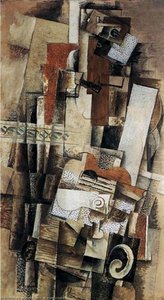
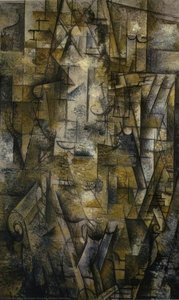
Georges Braque's 1949 masterpiece, *The Studio (V)*, is not merely a painting; it’s an excavation of perception itself. Measuring 144 x 174 cm, the canvas pulsates with a subdued energy, a quiet chaos born from layered forms and a restricted palette of dark browns, blacks, and restrained reds. To stand before this work – or even to deeply contemplate its reproduction – is to enter a space where traditional notions of representation dissolve, replaced by a compelling exploration of how we *know* rather than simply *see*. Braque doesn’t offer us a window onto reality; he presents us with the very building blocks of visual experience, fractured and reassembled in a dynamic interplay of geometric shapes. The artwork feels less like a depiction of an interior or cityscape, and more like a distillation of their essence – the feeling of enclosure, the density of modern life, the weight of accumulated memory.
Braque, alongside Pablo Picasso, irrevocably altered the course of art history with the advent of Cubism in the early 20th century. *The Studio (V)* isn’t a late-life imitation of past glories; it's a testament to his unwavering commitment to this revolutionary style, even as he continued to refine and evolve its principles. The rejection of traditional perspective is paramount here. Braque masterfully presents multiple viewpoints simultaneously, not through illusionistic techniques, but through a deliberate fragmentation of form. This isn’t simply about breaking down objects; it's about acknowledging the inherent complexity of perception itself. The technique employed – a meticulous collage and layering of materials likely including paper, paint, and potentially fabric or cardboard – adds another dimension to this exploration. It’s as if Braque is building up the surface of the canvas, creating a tactile depth that mirrors the layered nature of experience. The angularity of lines and the deliberate disruption of form aren't arbitrary choices; they are fundamental to Cubism’s ambition: to represent not what things *look* like, but what we *know* them to be – a composite of observed facets.
Created in the aftermath of World War II, *The Studio (V)* resonates with the profound sense of disruption that permeated the postwar world. Traditional notions of order and stability had been shattered, and Braque’s fragmented aesthetic serves as a powerful visual metaphor for this upheaval. Yet, despite its inherent complexity, the painting doesn't scream or demand attention; it invites quiet contemplation. The subdued lighting and strong shadows enhance the sense of depth within the fractured composition, drawing the viewer into an intimate dialogue with the artwork. While titled “The Studio,” the ambiguity of the subject matter is crucial to Braque’s intent. Are we looking at a painter's workspace – canvases, furniture, tools scattered across the floor? Or are these fragmented forms suggestive of a densely packed urban landscape? The answer, perhaps, is both and neither. It’s this deliberate elusiveness that elevates *The Studio (V)* beyond mere representation, transforming it into an exploration of space, perception, and the very act of painting itself. The layering of materials can be interpreted as the accumulation of memories and impressions, a visual record of lived experience.
Georges Braque, rođen u Argenteuilu u Francuskoj 1882. godine, krenuo je putem duboko isprepletenim s evoluirajućim krajolikom moderne umjetnosti. Odgoj unutar obitelji kućnih molera i dekoratora u njemu je usadila ne samo tehničku vještinu rukovanja materijalima, već i rano prepoznavanje važnosti forme i strukture. Iako je u početku slijedio očev zanat, Braqueove urođene umjetničke sklonosti ubrzo su ga odvele na formalno školovanje u École des Beaux-Arts u Le Havru, što je označilo početak njegovog puta prema postajanju jednom od najutjecajnijih slikara 20. stoljeća. Ova temelj, spoj praktičnog zanatstva i akademskog proučavanja, pokazao se ključnim dok je kasnije dekonstruirao i iznova zamišljao tradicionalne umjetničke konvencije.
Preselivši u Pariz 1902. godine, Braque je nastavio svoje studije na Académie Humbert, uranjajući u vibrantno umjetničko okruženje grada. Upravo je tu susreo umjetnike poput Marie Laurencin i Francisa Picabii, stvarajući veze koje će oblikovati njegov rani razvoj. Njegova početna djela odražavala su tadašnje utjecaje impresionizma i postimpresionizma, no presretan susret s odvažnim bojama i ekspresivnom slobodom fauvizma 190acije zapalio je novi smjer u njegovom umjetničkom istraživanju.
Braqueovo prihvaćanje principa fauvizma — obilježeno intenzivnom, neprirodističkom bojom i emocionalnim izrazom — živopisno je prikazano u slikama poput djela Strpljenje. Ovo razdoblje obilježeno je radom uz umjetnike kao što su Henri Matisse i André Derain, uz eksperimentiranje s vibrantnim paletama i pojednostavljenim oblicima. Međutim, Braqueova povezanost s fauvizmom nije bila tek imitacija; on ju je prožela jedinstvenim osjećajem, ublažavajući neobuzdanu euforiju pokreta suzdržanijim i analitičkim pristupom.
Preokret je nastupio 1907. godine nakon susreta s retrospektivnom izložbom djela Paula Cézannea. Cézanneov naglasak na geometrijskim oblicima i višestrukim perspektivama duboko je utjecao na Braquea, pripremajući pozornicu za njegovu revolucionarnu suradnju s Pabloom Picassoom. Počevši od 1908. godine, ova dva umjetnička titana krenula su u razdoblje intenzivne intelektualne razmjene koja će roditi kubizam — revolucionarni pokret koji je razbio tradicionalne pojmove predstavljanja.
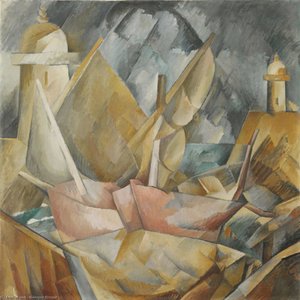
Zajedno su Braque i Picasso razvili analitički kubizam, disekciono rastavljajući predmete u fragmentirane geometrijske oblike i prikazujući više gledišta istovremeno. Djela poput Kuće u L'Estaque demonstriraju ovu ranu fazu, prikazujući radikalno odstupanje od konvencionalne perspektive i fokus na temeljnu strukturu oblika. Njihova je paleta postala namjerno prigušena, naglašavom forme nad bojom, dok su nastojali predstaviti cjelovitost prisutnosti predmeta umjesto samo njegovog izgleda.
Partnerstvo između Braquea i Picassa nastavilo je pomagati granice umjetničkog izražavanja, što je dovelo do razvoja sintetičkog kubizma oko 1912. godine. Ova faza donijela je uvođenje kolaža — uključivanje materijala iz stvarnog svijeta, poput komadića novina, tapeta i tkanine, u slike. Ova inovacija izazvala je tradicionalnu hijerarhiju između slikarstva i kiparstva, zamagujući granice između umjetnosti i života.
Braqueova pionirska upotreba *papier collé* (lijepljeni papir) označila je značajnu prekretnicu u njegovoj umjetničkoj evoluciji. Integriranjem fragmenata svakodnevnih predmeta u svoje kompozicije, on je narušio iluzionistički prostor tradicionalnog slikarstva i uveo novu razinu materijalnosti i teksture. Ova tehnika nije samo proširila formalne mogućnosti umjetnosti, već je odražavala i rastuće zanimanje za odnos između reprezentacije i stvarnosti.
enteIzbijanje Prvog svjetskog rata 1914. godine prekinulo je ovu intenzivnu suradnju, jer je Braque bio pozvan u vojnu službu. Njegova ratna iskustva duboko su utjecala na njegovu umjetničku viziju, vodeći ga da u svom poslijeratnom radu istražuje intimnije, liričnije teme.
Nakon rata, Braqueov stil evoluirao je izvan strogih okvira kubizma, uključujući elemente klasične kompozicije i obnovljeno zanimanje za mrtvu prirodu. Zadržavajući geometrijske utjecaje koji su definirali njegove ranije radove, razvio je suptilniji i kontemplativniji pristup slikarstvu. Njegovi kasniji pejzaži i interijeri odlikuju se spokojnom atmosferom i suptilnim harmonijama boja.
Tijekom cijele svoje karijere, Braque je ostao posvećen istraživanju temeljnih principa forme, prostora i predstavljanja. Nastavio je eksperimentirati s različitim materijalima i tehnikama, pomerajući granice umjetničkog izražavanja sve do svoje smrti 1963. godine. Njegov utjecaj na sljedeće generacije umjetnika neizmjeren je; oblikovao je put moderne umjetnosti i inspirirao bezbrojne slikare, kiparce i kolažiste.
Naslijeđe Georgesa Braquea proteže se izvan njegovih pojedinačnih umjetničkih djela; on je temeljito promijenio naše razumijevanje načina na koji percipiramo i predstavljamo svijet oko sebe. Njegov suradnički duh s Picassoom, zajedno s vlastitom jedinstvenom umjetničkom vizijom, učvrstio je njegovo mjesto pravog pionira moderne umjetnosti — majstora koji se usudio izazvati konvencije i redefinirati mogućnosti slikarstva.
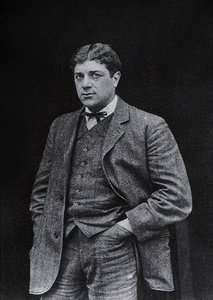
1882 - 1963 , Francuska

Discover the power of Neo-Abstract art. Explore how bold geometric forms and high-impact visual energy are redefining modern design. Learn to curate sophisticated, high-energy spaces with the latest trends in contemporary abstraction and structural color.

Discover the high-impact world of Geometric Abstraction. From Cubist roots to modern urban trends, explore how bold shapes and colors redefine contemporary design. Elevate your space with expert art insights and custom-made abstract masterpieces.

Explore how Analytical Cubism shattered reality to redefine modern design. Discover the revolutionary impact of Picasso and Braque on contemporary aesthetics, from graphic art to urban interiors. Dive into a visual journey through the movement that changed how we see the world.


Budite u tijeku s najnovijim umjetničkim vijestima, ekskluzivnim ponudama i idejama za dekoraciju.
Recite nam nešto o svom projektu, a naši će stručnjaci za umjetnost pripremiti 3 personalizirana prijedloga umjetnina.
Dopustite nam da odaberemo 3 opcije samo za Vas – Besplatno!


 Pregledaj u stvarnoj veličini
 Pošalji
 Podijeli
 Detalji o umjetničkom djelu

 Preuzmi
 Slični predmeti
 Rentgenska snimka
 Automatska prezentacija
 Prikaži više







 Opcija stakla dostupna je samo za dimenzije manje od 110 cm