

Giclée tisak muzejske kvalitete ili otisak na platnu uz brzu proizvodnju i fleksibilne opcije završne obrade. ( Switch to hand made Painting Switch to Image)
Odaberite jednu od naših unaprijed definiranih veličina koje odgovaraju izvornim proporcijama umjetničkog djela.

Možete unijeti vlastite dimenzije kako biste umjetničko djelo prilagodili specifičnom okviru ili prostoru. Ako odabrana veličina ne odgovara proporcijama izvornog rada, izrezat ćemo dio slike ili je proširiti pomoću ogledalnog efekta ili jednobojne rubne površine. Digitalni prikaz (mockup) bit će vam poslan na odobrenje prije početka proizvodnje.
Imajte na umu da pregled na zaslonu ne odražava stvarno izrezivanje ili proširivanje. Samo će mockup točno prikazati konačnu kompoziciju.
Iako su dostupne prilagođene veličine, preporučujemo odabir dimenzije iz unaprijed definirane liste kako biste očuvali izvorne proporcije.
Dostava širom svijeta () u roku od 2 tjedna umjesto standardnih 4/5 tjedana. (30 Srpanj)


St Ursula
Veličina reprodukcije
Hendrick Douverman, born in the German town of Kalkar around 1490, remains a figure shrouded in relative obscurity compared to the titans who dominated the artistic landscape of the German Renaissance. Yet, for those who look closely at the devotional art of the mid-16th century, his presence is felt through a profound and meticulous dedication to spiritual narrative. His life and work serve as a window into the intense religious fervor of the era, offering a glimpse into an aesthetic sensibility that sought to bridge the gap between the earthly and the divine through the precision of Northern European craftsmanship.
The formative years of Douverman are largely lost to the passage of time, known only through fragments of guild records in Kalkar. However, the lineage of his talent is clearly traced back to his apprenticeship under Johann Grünewaldt, a master whose name is synonymous with the raw, emotional power of the Isenheim Altarpiece. This connection was foundational; from Grünewaldt, Douverman inherited not only the technical rigor required for complex religious iconography but also a deep-seated commitment to expressive realism. This influence allowed him to move beyond mere decoration, infusing his subjects with a palpable sense of sanctity and human emotion that resonated with the faithful of his time.
Douverman’s artistic legacy is uniquely split between the tactile depth of sculpture and the narrative richness of painting. He possessed a rare ability to manipulate medium to serve theological ends, creating works that functioned as both art and objects of meditation. His sculptural achievements, most notably the breathtaking St Ursula, demonstrate a remarkable command over detail. In this piece, housed in the Kalkar Cathedral, he captures the saint and her companions with a lifelike quality that balances the weight of stone with the lightness of spiritual grace, embodying the very essence of Renaissance realism.
In his paintings, Douverman explored complex biblical genealogies and sacred figures with equal fervor. His interpretations of iconic themes include:
Through these works, Douverman achieved a level of historical significance that transcends his biographical anonymity. He was a master of the devotional gaze, an artist capable of translating the abstract mysteries of faith into tangible, breathtakingly beautiful forms. His contribution to the German Renaissance remains a vital chapter in the history of Northern European art, reminding us of the power of art to act as a silent, enduring witness to the human spirit's search for the eternal.

1490 - 1543 , Germany

Explore the captivating world of Early Netherlandish painting! Discover Jan van Eyck, Hans Memling & more. Uncover symbolism, techniques & the legacy of these Flemish masters. A comprehensive guide for art enthusiasts.

Explore the Renaissance! Discover key artists like Leonardo & Michelangelo, the rise of Humanism, and groundbreaking techniques such as chiaroscuro. A comprehensive guide for art enthusiasts.

Explore the captivating world of Early Netherlandish painting (15th-16th centuries). Discover Jan van Eyck, Hans Memling & more. Uncover revolutionary techniques and hidden symbolism in this definitive guide.

Discover the innovative terracotta glazing techniques of Luca della Robbia, a Renaissance master sculptor. Explore his iconic works, legacy, and collecting tips with BuyPopArt.

Explore 10 Renaissance Humanism masterpieces by Leonardo da Vinci, Michelangelo & Raphael. Discover the stories behind these iconic paintings & sculptures and bring timeless art into your home with museum-quality reproductions from BuyPopArt.com. Explore the full collection online!


Budite u tijeku s najnovijim umjetničkim vijestima, ekskluzivnim ponudama i idejama za dekoraciju.
Recite nam nešto o svom projektu, a naši će stručnjaci za umjetnost pripremiti 3 personalizirana prijedloga umjetnina.
Dopustite nam da odaberemo 3 opcije samo za Vas – Besplatno!


 Pošalji
 Podijeli
 Detalji o umjetničkom djelu

 Preuzmi
 Slični predmeti
 Automatska prezentacija


 Prikaži više
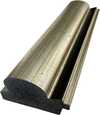
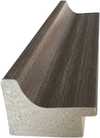
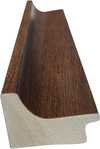
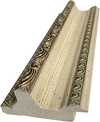
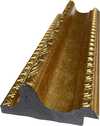
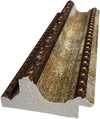
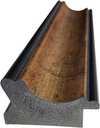
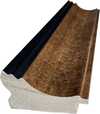
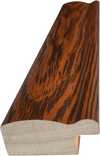
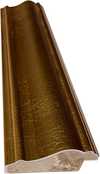
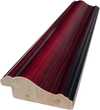
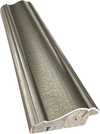
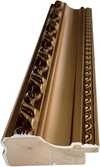
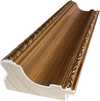
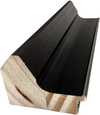
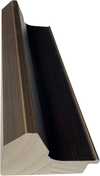
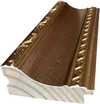
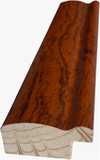
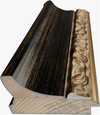
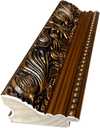
 Opcija stakla dostupna je samo za dimenzije manje od 110 cm


