

 Acrylic On CanvasWallArtNeoclassical Realism
 1778
1778 123.0 x 172.0 cm
 Musée Fabre
Giclée tisak muzejske kvalitete ili otisak na platnu uz brzu proizvodnju i fleksibilne opcije završne obrade. ( Kupi ručno naslikanu sliku Kupi digitalnu sliku)





























Odaberite jednu od naših unaprijed definiranih veličina koje odgovaraju izvornim proporcijama umjetničkog djela.

Možete unijeti vlastite dimenzije kako biste umjetničko djelo prilagodili specifičnom okviru ili prostoru. Ako odabrana veličina ne odgovara proporcijama izvornog rada, izrezat ćemo dio slike ili je proširiti pomoću ogledalnog efekta ili jednobojne rubne površine. Digitalni prikaz (mockup) bit će vam poslan na odobrenje prije početka proizvodnje.
Imajte na umu da pregled na zaslonu ne odražava stvarno izrezivanje ili proširivanje. Samo će mockup točno prikazati konačnu kompoziciju.
Iako su dostupne prilagođene veličine, preporučujemo odabir dimenzije iz unaprijed definirane liste kako biste očuvali izvorne proporcije.
Dostava širom svijeta () u roku od 2 tjedna umjesto standardnih 4/5 tjedana. (15 Kolovoz)


Hector
Veličina reprodukcije
Jacques-Louis David's *Hector*, painted in 1778, is not merely a depiction of a fallen warrior; it’s a profound meditation on death, duty, and the burgeoning moral anxieties of late 18th-century France. This arresting image, rendered with the meticulous precision characteristic of David’s Neoclassical style, immediately confronts the viewer with a scene of brutal realism juxtaposed against an almost unnerving stillness. The subject, identified as Hector from Virgil's *Aeneid*, lies prone on the ground, his naked body a stark canvas for the crimson stain of blood – a visceral reminder of violent conflict and irreversible loss. The composition is deliberately austere, dominated by the figure’s physicality and the surrounding landscape, stripped of extraneous detail to amplify the emotional intensity.
David's mastery of Neoclassicism shines through in *Hector*. He consciously rejected the frivolous ornamentation of Rococo painting, favoring instead a structured composition rooted in classical ideals. The figure is positioned centrally within a shallow space, drawing immediate attention to his vulnerability. Notice how David employs dramatic chiaroscuro – the stark contrast between light and shadow – to sculpt the body, emphasizing its musculature and highlighting the wounds inflicted upon it. This technique wasn’t simply for aesthetic effect; it served to heighten the sense of pathos and underscore the tragic nature of Hector's demise. The carefully chosen rocks scattered around him aren’t decorative elements but rather anchors within this scene, grounding the figure in a desolate reality.
*Hector* is deeply layered with symbolic meaning, drawing heavily from classical mythology but resonating powerfully within the context of 1778 France. As a hero felled in battle, Hector embodies duty, honor, and sacrifice—values increasingly scrutinized during an era marked by social unrest and philosophical debate. The bowl placed near his hand isn’t simply a prop; it subtly suggests a final offering, perhaps to the gods or a plea for mercy – a poignant detail that amplifies the sense of helplessness. The reference to Virgil's *Aeneid* was particularly relevant at the time, as the epic poem explored themes of leadership, fate, and the responsibilities of rulers—topics that would soon become central to the revolutionary discourse.
Beyond its technical brilliance, *Hector* possesses a haunting emotional resonance. The painting doesn’t glorify war; it confronts us with its brutal consequences. The vulnerability of the fallen hero evokes empathy and prompts reflection on mortality and the fragility of human life. It's a work that speaks to the anxieties simmering beneath the surface of 18th-century France, an era poised on the brink of revolution. David’s *Hector* is more than just a historical painting; it’s a powerful statement about human nature, duty, and the enduring legacy of classical ideals—a timeless masterpiece rendered with unparalleled skill and profound emotional depth. A reproduction captures this intensity beautifully, offering a window into the mind of one of history's most influential artists.
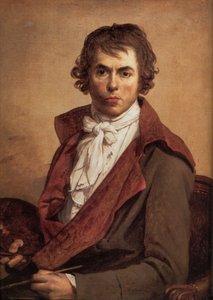
1748 - 1800 , Francuska

Explore the life & art of Jacques-Louis David, leading Neoclassical painter of the French Revolution. Discover iconic works like 'The Death of Marat' and his lasting impact on art history. Expert analysis & high-quality reproductions at BuyPopArt.

Explore the captivating world of Anne-Louis Girodet, a pivotal figure bridging Neoclassicism & Romanticism. Discover his masterpieces and unique artistic vision with BuyPopArt.

Explore the captivating world of Neoclassical portraiture! Discover the power & ideals behind masterpieces by David, Girodet & more. Expert analysis, custom reproductions & art appraisal at BuyPopArt.

Otkrijte 10 remek-djela neoklasicizma! David, Raffaello i drugi majstori definirali su ovaj stil. Istražite priče iza umjetnosti i pronađite inspiraciju za svoj dom. Kvalitetne reprodukcije na BuyPopArt.com – istražite cijelu kolekciju online!

Explore the revival of classical art with our deep dive into Neoclassicism! Discover key artists like Jacques-Louis David, Enlightenment influences & lasting impact on art history. Learn more now.


Budite u tijeku s najnovijim umjetničkim vijestima, ekskluzivnim ponudama i idejama za dekoraciju.
Recite nam nešto o svom projektu, a naši će stručnjaci za umjetnost pripremiti 3 personalizirana prijedloga umjetnina.
Dopustite nam da odaberemo 3 opcije samo za Vas – Besplatno!


 Pregledaj u stvarnoj veličini
 Pošalji
 Podijeli
 Detalji o umjetničkom djelu

 Preuzmi
 Slični predmeti
 Rentgenska snimka
 Automatska prezentacija
 Prikaži više







 Opcija stakla dostupna je samo za dimenzije manje od 110 cm


