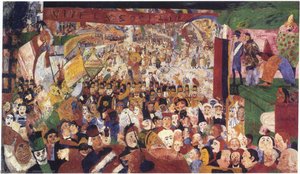
Ručno oslikano uljanim bojama na platnu u dimenzijama i okviru po vašem izboru, izrađeno po narudžbi od strane naših umjetnika. ( Pređi na tisak Prebacite na sliku)





























Odaberite jednu od naših unaprijed definiranih veličina koje odgovaraju izvornim proporcijama umjetničkog djela.

Možete unijeti vlastite dimenzije kako bi odgovarale određenom okviru ili prostoru. Ako odabrana veličina ne odgovara proporcijama izvorne slike, izrezat ćemo umjetničko djelo ili proširiti sliku dodatnim ručno oslikanim elementima. Digitalni nacrt bit će vam poslan na odobrenje prije početka proizvodnje.
Imajte na umu da pregled na ekranu ne prikazuje stvarno izrezivanje ili proširivanje. Samo će nacrt točno prikazati konačni sastav.
Iako su dostupne prilagođene veličine, preporučujemo odabir dimenzije s preddefiniranog popisa kako bismo očuvali izvorne proporcije.
Isporuka širom svijeta () u roku od 3-4 tjedna umjesto standardnih 5 tjedana. (6 Kolovoz). Bez kompromisa u kvaliteti.


Les pommes rouges
Veličina reprodukcije
James Ensor's "Les Pommes Rouges" (1889) isn’t merely a still life; it’s a meticulously constructed psychological landscape, a glimpse into the artist’s uniquely unsettling vision. Painted during a period of intense experimentation and social critique within Belgian art, this work embodies the burgeoning Expressionist movement while retaining Ensor's deeply personal and often macabre sensibility. The painting depicts a simple arrangement – red and green apples resting on a white-covered table alongside two oranges – yet it’s laden with symbolic weight and an undeniable sense of unease. The stark simplicity of the composition, coupled with the unsettling color palette and the subtly distorted forms, immediately draws the viewer into a world where beauty and decay coexist in precarious balance.
Ensor’s technique is deliberately jarring, a departure from the polished realism favored by the Académie Royale des Beaux-Arts. He employs thick, impasto brushstrokes that build up layers of color, creating a tactile surface and emphasizing the physicality of the paint itself. The apples aren't rendered with photographic accuracy; instead, they are plump, almost aggressively vibrant in their reds and greens, hinting at an underlying tension. Notice how he uses short, choppy strokes to define the edges, contributing to the painting’s overall sense of agitation. The white tablecloth, far from being a neutral backdrop, is treated with a similar energetic application of paint, suggesting a surface that's both pristine and subtly corrupted. The oranges, similarly rendered, possess an almost bruised quality, furthering the feeling of impending decay.
Ensor’s work is notoriously rich in symbolism, often drawing upon personal anxieties and social commentary. The apples themselves are a potent symbol – traditionally associated with knowledge, temptation, and mortality. Their vibrant color can be interpreted as both alluring and dangerous, reflecting the precariousness of human existence. The presence of the oranges, frequently linked to wealth and abundance, introduces an element of ironic contrast, suggesting that even prosperity is ultimately fleeting and potentially deceptive. Crucially, the painting’s unsettling atmosphere isn't simply decorative; it reflects Ensor’s own troubled psyche – a man grappling with themes of mortality, isolation, and the anxieties of modern life. The masks, so central to his artistic vocabulary, are subtly implied through the arrangement and the overall mood, hinting at hidden identities and concealed emotions.
"Les Pommes Rouges" was created during a period of significant upheaval in the Belgian art world. Ensor’s work challenged the established norms of academic painting, rejecting its emphasis on idealized beauty and historical subject matter in favor of a more personal and emotionally charged approach. He aligned himself with the burgeoning Symbolist movement, which explored psychological themes and employed evocative imagery to convey complex ideas. His rejection of convention, coupled with his willingness to tackle uncomfortable subjects – death, decay, and social critique – made him a controversial figure during his lifetime. “Les Pommes Rouges” stands as a testament to Ensor’s artistic courage and his pioneering role in shaping the course of modern art. It's a painting that demands attention, inviting viewers to confront their own anxieties and contemplate the darker aspects of human experience.
BuyPopArt offers exquisite hand-painted reproductions of James Ensor’s “Les Pommes Rouges,” allowing you to bring this captivating masterpiece into your home or office. Each reproduction is meticulously crafted by skilled artists, ensuring that every detail – from the vibrant colors to the textured brushstrokes – faithfully captures the essence of the original painting. Explore our collection today and experience the power and beauty of Ensor’s vision.
James Sidney Edouard Ensor, Baron Ensor (Ostend, 13 April 1860 – 19 November 1949) was a Belgian painter and printmaker who stands as one of the most influential figures in the development of Expressionism and Surrealism. Born into an English father and Belgian mother—a duality that profoundly shaped his artistic worldview—Ensor defied convention from the outset, rejecting academic formalism for a bold exploration of psychological depth and grotesque imagery.
His formative years were marked by exposure to the vibrant atmosphere of Ostend’s seaside resort town, where his parents operated a souvenir shop brimming with curiosities—a veritable cabinet of wonders that ignited his imagination. From 1876 until 1880 he studied at the Académie Royale des Beaux-Arts in Brussels, alongside fellow students like Fernand Khnopff and Theo Van Rysselberghe, where Jean Portales instilled in him a commitment to artistic innovation.
Ensor’s early paintings reflected a more traditional approach, depicting scenes of everyday life rendered in somber tones. However, he swiftly abandoned these conventions as he embraced the expressive qualities of light, line, and color—a decisive move toward Expressionism. Influenced by Rembrandt, Goya, and Japanese woodcuts, Ensor developed a distinctive iconography characterized by unsettling juxtapositions and symbolic references to death and decay.
His most celebrated works – including *Christ’s Entry into Brussels* (1888-1889), *The Scandalized Masks* (1883) and *Skeletons Fighting over a Hanged Man* (1891) – exemplify his unwavering commitment to confronting uncomfortable truths and exploring the darkest recesses of human psychology. These paintings are not merely aesthetically striking; they serve as powerful critiques of societal norms, religious hypocrisy, and the absurdity of existence.
James Ensor’s artistic legacy extends far beyond his own lifetime. He is recognized as a pivotal catalyst in the transition from Symbolism to Expressionism and Surrealism—a true pioneer who challenged artistic conventions and paved the way for future generations of artists. His fearless exploration of the subconscious, combined with his masterful use of grotesque imagery and symbolic language, continues to inspire artists today.
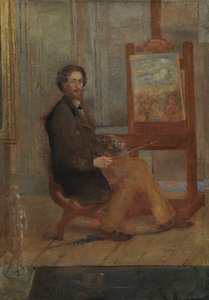
1860 - 1949 , België
Istražite 25 remek-djela Jamesa Abbotta McNeilla Whistlera, majstora tonalizma i američkog impresionizma. Otkrijte priče iza njegovih čuvenih 'Nocturna' i portreta te pronađite inspiraciju za luksuznu dekoraciju interijera na BuyPopArt.com.

Explore 25 iconic Sir Alfred Munnings paintings! Discover the beauty of British Impressionism, equine art & rural England. Find museum-quality reproductions and elevate your home decor with BuyPopArt. Explore the full collection online.

Explore the unsettling yet captivating world of James Ensor, a pioneer of Expressionism. Discover his satirical masterpieces, symbolic imagery & lasting influence on modern art. High-quality reproductions available at BuyPopArt.

Explore the profound world of Clyfford Still's Abstract Expressionism with BuyPopArt. Discover his unique style, existential themes & investment potential. Expert analysis for discerning collectors.
Explore the rich history of still life painting with BuyPopArt. Discover Dutch Masters, decode vanitas symbolism & learn about collecting timeless art. Expert insights and museum-quality reproductions.


Budite u tijeku s najnovijim umjetničkim vijestima, ekskluzivnim ponudama i idejama za dekoraciju.
Recite nam nešto o svom projektu, a naši će stručnjaci za umjetnost pripremiti 3 personalizirana prijedloga umjetnina.
Dopustite nam da odaberemo 3 opcije samo za Vas – Besplatno!


 Pregledaj u stvarnoj veličini
 Pošalji
 Podijeli
 Detalji o umjetničkom djelu

 Preuzmi
 Slični predmeti
 Rentgenska snimka
 Automatska prezentacija

 Prikaži više







 Opcija stakla dostupna je samo za dimenzije manje od 110 cm