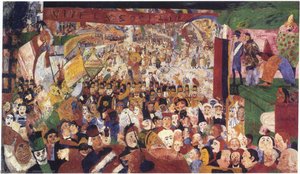
Ručno oslikano uljanim bojama na platnu u dimenzijama i okviru po vašem izboru, izrađeno po narudžbi od strane naših umjetnika. ( Kupi print Kupi digitalnu sliku)





























Odaberite jednu od naših unaprijed definiranih veličina koje odgovaraju izvornim proporcijama umjetničkog djela.

Možete unijeti vlastite dimenzije kako bi odgovarale određenom okviru ili prostoru. Ako odabrana veličina ne odgovara proporcijama izvorne slike, izrezat ćemo umjetničko djelo ili proširiti sliku dodatnim ručno oslikanim elementima. Digitalni nacrt bit će vam poslan na odobrenje prije početka proizvodnje.
Imajte na umu da pregled na ekranu ne prikazuje stvarno izrezivanje ili proširivanje. Samo će nacrt točno prikazati konačni sastav.
Iako su dostupne prilagođene veličine, preporučujemo odabir dimenzije s preddefiniranog popisa kako bismo očuvali izvorne proporcije.
Isporuka širom svijeta () u roku od 3-4 tjedna umjesto standardnih 5 tjedana. (19 Kolovoz). Bez kompromisa u kvaliteti.


Ma Chambre preferee
Veličina reprodukcije
James Ensor's “Ma Chambre preferee,” or “My Favorite Room,” stands as a cornerstone of Expressionist art, offering an unsettling yet undeniably captivating glimpse into the artist’s psyche. Painted in 1897, this oil on canvas transcends mere depiction; it is a deliberate provocation designed to unsettle viewers and confront them with uncomfortable truths about human existence. Ensor meticulously crafted this scene—a bedroom populated by figures engaged in mundane activities—to distill the essence of psychological drama into visual form. The painting serves as more than just a domestic interior; it is a window into the anxieties simmering beneath the surface of late 19th-century Europe, capturing a moment where the boundaries between reality and the subconscious begin to blur.
At its core, the work embodies the very essence of the Expressionist vision, prioritizing emotional intensity over objective accuracy. Ensor brilliantly manipulates artistic technique to bypass rational representation, employing bold, clashing colors—predominantly vibrant yellows and reds juxtaposed against muted, somber blues and greens. This creates a palpable sense of dissonance that mirrors the inner turmoil portrayed within the frame. The artist’s signature distortion is evident throughout the composition; forms are warped and exaggerated, conveying feelings of unease and disorientation. For the collector or enthusiast, this stylistic choice offers a profound sensory experience, as the painting refuses to present a straightforward visual reality, instead inviting the viewer into a dreamlike, often disorienting, state of mind.
Beyond its formal brilliance, “Ma Chambre preferee” operates on a deep symbolic level, where every object within the cluttered room carries a weight of meaning. The bedroom itself becomes a microcosm of the human condition, representing intimacy, vulnerability, and ultimately, a sense of confinement. A piano dominates much of the composition, acting as a powerful symbol of intellect and artistic aspiration, yet its presence simultaneously hints at isolation and perhaps even psychological repression. As one gazes upon the scattered figures—some standing, others reclining in various states of repose—the room feels less like a sanctuary and more like a stage for a silent, chaotic drama.
The atmosphere is one of beautiful chaos, where a clock hanging near the top left corner serves as a subtle reminder of the relentless passage of time, while books and miscellaneous objects suggest a life lived amidst intellectual clutter. For interior designers and art lovers alike, this piece offers an incredible depth of narrative. It is not merely a decoration but a conversation starter that brings a sense of historical gravity and psychological complexity to any space. Whether placed in a modern gallery setting or a classic study, the painting’s ability to evoke both fascination and unease makes it a timeless acquisition for those who appreciate art that challenges the spirit.
James Sidney Edouard Ensor, Baron Ensor (Ostend, 13 April 1860 – 19 November 1949) was a Belgian painter and printmaker who stands as one of the most influential figures in the development of Expressionism and Surrealism. Born into an English father and Belgian mother—a duality that profoundly shaped his artistic worldview—Ensor defied convention from the outset, rejecting academic formalism for a bold exploration of psychological depth and grotesque imagery.
His formative years were marked by exposure to the vibrant atmosphere of Ostend’s seaside resort town, where his parents operated a souvenir shop brimming with curiosities—a veritable cabinet of wonders that ignited his imagination. From 1876 until 1880 he studied at the Académie Royale des Beaux-Arts in Brussels, alongside fellow students like Fernand Khnopff and Theo Van Rysselberghe, where Jean Portales instilled in him a commitment to artistic innovation.
Ensor’s early paintings reflected a more traditional approach, depicting scenes of everyday life rendered in somber tones. However, he swiftly abandoned these conventions as he embraced the expressive qualities of light, line, and color—a decisive move toward Expressionism. Influenced by Rembrandt, Goya, and Japanese woodcuts, Ensor developed a distinctive iconography characterized by unsettling juxtapositions and symbolic references to death and decay.
His most celebrated works – including *Christ’s Entry into Brussels* (1888-1889), *The Scandalized Masks* (1883) and *Skeletons Fighting over a Hanged Man* (1891) – exemplify his unwavering commitment to confronting uncomfortable truths and exploring the darkest recesses of human psychology. These paintings are not merely aesthetically striking; they serve as powerful critiques of societal norms, religious hypocrisy, and the absurdity of existence.
James Ensor’s artistic legacy extends far beyond his own lifetime. He is recognized as a pivotal catalyst in the transition from Symbolism to Expressionism and Surrealism—a true pioneer who challenged artistic conventions and paved the way for future generations of artists. His fearless exploration of the subconscious, combined with his masterful use of grotesque imagery and symbolic language, continues to inspire artists today.
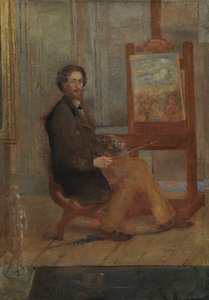
1860 - 1949 , België

Stop settling for sterile minimalism. Discover how bold Pop Art and Dopamine Decor can transform neutral interiors into high-impact, soulful spaces. Learn expert trend forecasting techniques to curate a sophisticated, vibrant collection that reflects your unique visual identity.

Ready to break the rules of minimalism? Discover why Expressionism is the ultimate trend for bold, high-impact interiors. Learn how to use raw energy, vibrant colors, and powerful brushstrokes to transform your space into a masterpiece of modern urban design.

Master the art of Dopamine Decor with our expert guide to styling bold Pop Art. Discover how to use vibrant colors, tactile maximalism, and high-impact textures to transform your modern interior into a joyful, sensory sanctuary.

Ditch the boring decor. Discover why Expressionist art is the ultimate vibe for your space. Explore bold colors, raw emotions, and how to commission custom, hand-painted masterpieces that transform your home into a high-impact gallery of pure, unfiltered energy.


Budite u tijeku s najnovijim umjetničkim vijestima, ekskluzivnim ponudama i idejama za dekoraciju.
Recite nam nešto o svom projektu, a naši će stručnjaci za umjetnost pripremiti 3 personalizirana prijedloga umjetnina.
Dopustite nam da odaberemo 3 opcije samo za Vas – Besplatno!


 Pregledaj u stvarnoj veličini
 Pošalji
 Podijeli
 Detalji o umjetničkom djelu

 Preuzmi
 Slični predmeti
 Rentgenska snimka
 Automatska prezentacija

 Prikaži više







 Opcija stakla dostupna je samo za dimenzije manje od 110 cm