Giclée tisak muzejske kvalitete ili otisak na platnu uz brzu proizvodnju i fleksibilne opcije završne obrade. ( Kupi ručno naslikanu sliku Kupi digitalnu sliku)





























Odaberite jednu od naših unaprijed definiranih veličina koje odgovaraju izvornim proporcijama umjetničkog djela.

Možete unijeti vlastite dimenzije kako biste umjetničko djelo prilagodili specifičnom okviru ili prostoru. Ako odabrana veličina ne odgovara proporcijama izvornog rada, izrezat ćemo dio slike ili je proširiti pomoću ogledalnog efekta ili jednobojne rubne površine. Digitalni prikaz (mockup) bit će vam poslan na odobrenje prije početka proizvodnje.
Imajte na umu da pregled na zaslonu ne odražava stvarno izrezivanje ili proširivanje. Samo će mockup točno prikazati konačnu kompoziciju.
Iako su dostupne prilagođene veličine, preporučujemo odabir dimenzije iz unaprijed definirane liste kako biste očuvali izvorne proporcije.
Dostava širom svijeta () u roku od 2 tjedna umjesto standardnih 4/5 tjedana. (12 Kolovoz)


Bella
Veličina reprodukcije
Marc Chagall's "Bella," painted in 1925, isn’t merely a portrait; it’s an immersion into the artist’s deeply personal and profoundly evocative world. Born Moishe Shagal in Vitebsk, Belarus, Chagall carried within him the vibrant folklore of his Jewish upbringing – a tapestry woven with religious symbolism, rural landscapes, and a persistent yearning for home. “Bella,” rendered in ink on paper, captures this essence perfectly, offering a glimpse into a realm where reality subtly blends with dream and memory. The painting isn’t simply about depicting a woman; it's about conveying an emotional state – a quiet contemplation, a hint of melancholy, and the enduring power of love and connection.

Chagall’s technique in “Bella” is a masterful blend of Expressionism, Cubism, and Fauvism. Loose, gestural lines dominate the composition, creating a sense of movement and dynamism that contrasts sharply with the flattened perspective. These aren't precise delineations; instead, they are conduits for emotion, suggesting form through their density and direction. The use of hatching and cross-hatching builds up tonal values, lending depth and texture to the image. Notice how the dark inks create a sense of mystery around Bella’s figure, while strategically placed highlights draw attention to her face and dress. The color palette is deliberately restrained – primarily grayscale – which amplifies the emotional impact of the composition, forcing the viewer to focus on line, shape, and gesture rather than purely visual color.
“Bella” is rich in symbolic elements, deeply rooted in Chagall’s personal life and Jewish heritage. The figure of Bella Rosenfeld, Chagall's wife, is presented with a contemplative gaze, her head turned downwards as if lost in thought. Her posture – hand resting on her hip – suggests both strength and vulnerability. The abstracted background, filled with swirling shapes and stylized figures, evokes the landscapes of Vitebsk, his childhood home. The presence of smaller figures within the composition hints at familial connections and a longing for the past. The painting can be interpreted as a meditation on memory, love, and the enduring power of personal history – themes that consistently resonated throughout Chagall’s oeuvre.
Completed in 1925 during a period of significant artistic exploration for Chagall, “Bella” stands as a testament to his unique vision. It's more than just a portrait; it’s an invitation into the artist’s inner world—a realm where dreams and reality intertwine, and where the past is perpetually present. The painting’s enduring appeal lies in its ability to evoke a profound emotional response, prompting viewers to contemplate their own memories, relationships, and the complexities of human experience. Reproductions of “Bella” capture much of this evocative power, offering a window into Chagall's extraordinary artistic legacy.
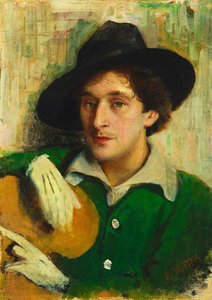
1887 - 1985 , Bjelorusija
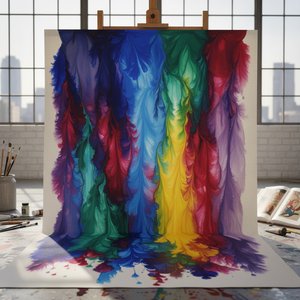
Explore the groundbreaking abstract expressionism of Morris Louis, a pioneer of Color Field painting. Discover his innovative techniques, influential series & lasting legacy in post-war American art. Learn more at BuyPopArt.
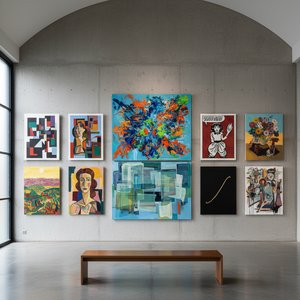
Explore 10 legendary 'Acrylic On Canvas' masterpieces by artists like Rothko, Warhol & Frankenthaler. Discover the stories behind these iconic paintings and their impact on modern art. Find museum-quality reproductions at – elevate your home with timeless beauty.

Explore the world of acrylic painting! Discover its rich history, essential techniques, contemporary applications & renowned artists. Expert guide for beginners to professionals.
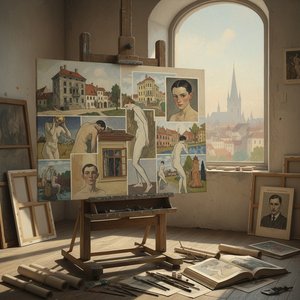
Istražite 25 najpoznatijih djela Egona Schielea! Otkrijte ekspresionističke portrete, autoportrete i simbolizam u austrijskoj umjetnosti. Kvalitetne reprodukcije slika za vaš dom na BuyPopArt.com.
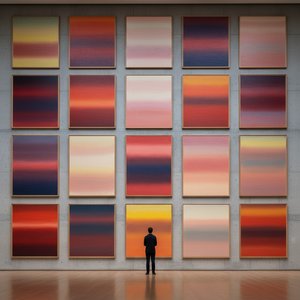
Istražite 25 najpoznatijih djela Marka Rothka, majstora apstraktne ekspresije. Otkrijte priče iza njegovih platna, bogatih bojama i emocijama. Reprodukcije vrhunske kvalitete dostupne na BuyPopArt.com – inspiracija za vaš dom!


Budite u tijeku s najnovijim umjetničkim vijestima, ekskluzivnim ponudama i idejama za dekoraciju.
Recite nam nešto o svom projektu, a naši će stručnjaci za umjetnost pripremiti 3 personalizirana prijedloga umjetnina.
Dopustite nam da odaberemo 3 opcije samo za Vas – Besplatno!


 Pregledaj u stvarnoj veličini
 Pošalji
 Podijeli
 Detalji o umjetničkom djelu

 Preuzmi
 Slični predmeti
 Rentgenska snimka
 Automatska prezentacija

 Prikaži više







 Opcija stakla dostupna je samo za dimenzije manje od 110 cm