Oil On CanvasWallArtCubism
 1925High Medieval
 101.0 x 80.0 cm
Giclée tisak muzejske kvalitete ili otisak na platnu uz brzu proizvodnju i fleksibilne opcije završne obrade. ( Kupi ručno naslikanu sliku Kupi digitalnu sliku)





























Odaberite jednu od naših unaprijed definiranih veličina koje odgovaraju izvornim proporcijama umjetničkog djela.

Možete unijeti vlastite dimenzije kako biste umjetničko djelo prilagodili specifičnom okviru ili prostoru. Ako odabrana veličina ne odgovara proporcijama izvornog rada, izrezat ćemo dio slike ili je proširiti pomoću ogledalnog efekta ili jednobojne rubne površine. Digitalni prikaz (mockup) bit će vam poslan na odobrenje prije početka proizvodnje.
Imajte na umu da pregled na zaslonu ne odražava stvarno izrezivanje ili proširivanje. Samo će mockup točno prikazati konačnu kompoziciju.
Iako su dostupne prilagođene veličine, preporučujemo odabir dimenzije iz unaprijed definirane liste kako biste očuvali izvorne proporcije.
Dostava širom svijeta () u roku od 2 tjedna umjesto standardnih 4/5 tjedana. (14 Kolovoz)


Peasant Life
Veličina reprodukcije
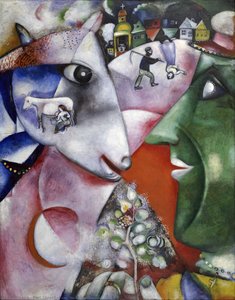
Marc Chagall’s 1925 painting, *Peasant Life*, isn't merely a depiction of rural existence; it’s an immersion into the artist’s deeply personal and profoundly evocative world. Born Moishe Shagal in Vitebsk, Belarus – a region steeped in folklore and layered with cultural influences – Chagall carried within him a potent blend of Jewish tradition and the vibrant energy of his homeland. This painting represents a pivotal moment in his artistic evolution, showcasing a masterful fusion of Cubist fragmentation with Surrealist dreamscapes and a distinctly Russian sensibility. It’s a testament to his ability to distill memory, emotion, and cultural heritage into a single, luminous canvas.
The genesis of *Peasant Life* lies within Chagall's own recollections of Vitebsk – a city that served as the bedrock of his artistic identity. The town’s unique juxtaposition of Orthodox churches and bustling Jewish marketplaces, its blend of Russian and Eastern European influences, became a recurring motif in his work, imbued with a sense of both familiarity and poignant nostalgia. This painting isn't simply a record of a scene; it’s a carefully constructed tapestry woven from fragments of memory, filtered through the lens of Chagall’s imagination.
While often categorized as Cubist due to its fractured forms and multiple perspectives – elements evident in the way figures are broken down into geometric shapes and viewed simultaneously from different angles – *Peasant Life* transcends simple categorization. Chagall masterfully integrates these Cubist techniques with a distinctly Surrealist approach, creating an atmosphere of dreamlike ambiguity. The scene unfolds not as a realistic portrayal but as a symbolic representation of memory and emotion. Notice how the figures are deliberately distorted, their forms dissolving into vibrant color and movement – a characteristic that aligns perfectly with Chagall’s unique vision.
The composition itself is dynamic and carefully orchestrated. A central focus emerges around the man feeding a horse from his hand, an image brimming with symbolic weight. The surrounding figures—a family gathered at a table, a couple dancing in the field, a cart pulled by horses – are arranged along diagonal lines, creating a sense of movement and energy that draws the viewer into the heart of the scene. The use of color is particularly striking; Chagall employs a rich palette of reds, blues, yellows, and greens, not to represent reality accurately but to evoke mood and emotion. The bright hues contribute significantly to the painting’s overall feeling of joy and vitality.
*Peasant Life* is rich in symbolic detail, inviting multiple interpretations. The red hat worn by the central figure immediately connects him to Russian peasant traditions, while the horse itself represents fertility, strength, and connection to the land. The building with the Cyrillic sign – likely a “lavka” or small shop – subtly references Chagall’s own family history and his roots in Vitebsk. The inclusion of dancing figures hints at the importance of community, celebration, and the rhythms of rural life.
Beyond its formal elements, *Peasant Life* speaks to a deeper cultural resonance. It's a poignant reflection of Chagall’s connection to his Russian heritage and his experience in France – a synthesis of Eastern European folklore and Western artistic innovation. The painting captures the essence of rural life, with its vibrant colors, lively figures, and serene landscape, offering a glimpse into a bygone era filled with both hardship and joy.
Marc Chagall's *Peasant Life* stands as a testament to his artistic genius and his ability to capture the essence of human experience through art. It is more than just a beautiful painting; it’s a window into the soul of an artist, a celebration of memory, and a powerful expression of cultural identity. Its innovative blend of styles, its rich symbolism, and its emotional depth have ensured its place as a significant work in the history of modern art, continuing to inspire artists and art lovers alike. Reproductions of this masterpiece offer a unique opportunity to bring Chagall’s vibrant world into your own space, allowing you to experience firsthand the magic and wonder of *Peasant Life*.
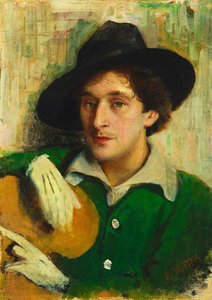
1887 - 1985 , Bjelorusija

Master the complexities of Cubism with our expert guide. Explore the revolutionary techniques of Picasso, from Analytical to Synthetic Cubism, and learn how to curate these powerful, fragmented perspectives for your private collection.


Budite u tijeku s najnovijim umjetničkim vijestima, ekskluzivnim ponudama i idejama za dekoraciju.
Recite nam nešto o svom projektu, a naši će stručnjaci za umjetnost pripremiti 3 personalizirana prijedloga umjetnina.
Dopustite nam da odaberemo 3 opcije samo za Vas – Besplatno!


 Pregledaj u stvarnoj veličini
 Pošalji
 Podijeli
 Detalji o umjetničkom djelu

 Preuzmi
 Slični predmeti
 Rentgenska snimka
 Automatska prezentacija
 Prikaži više







 Opcija stakla dostupna je samo za dimenzije manje od 110 cm