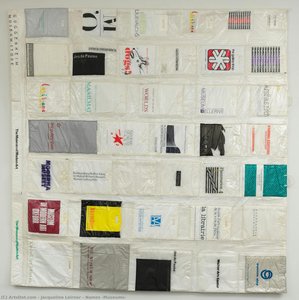
1974
1974 30.0 x 45.0 cm
Kupite digitalnu sliku visoke rezolucije i poboljšane kvalitete, koja je znatno superiornija od online prikaza.
Svaka datoteka pedantno je pripremljena od strane naših internih stručnjaka koristeći napredne alate i vještinsku ručnu retušu. Osiguravamo da svaka slika ima iznimnu jasnoću, preciznu točnost boja i visoku razinu detalja.
Konačna datoteka dostavlja se putem e-pošte u roku od 72 sata, optimizirana za neposrednu upotrebu u profesionalnim, uredničkim i tiskarskim okruženjima. To je ista kvaliteta kojoj vjeruju vrhunski studiji dizajna, izdavači i galerije.
Preuzmite datoteku visoke rezolucije za osobnu izložbu, tisak i kreativne projekte. ( Kupi print Kupi ručno naslikanu sliku)
Odabirom BuyPopArt.com ne dobivate samo sliku – dobivate profesionalno unapređeno digitalno umjetničko djelo, izrađeno s najvećom preciznošću uz jamstvo zadovoljstva. Evo svega što automatski dolazi uz vašu narudžbu:

Vaša digitalna slika visoke rezolucije bit će vam poslana e-mailom u roku od 72 sata od narudžbe – spremna za neposrednu upotrebu.

Vaše umjetničko djelo profesionalno je optimizirano pomoću naprednih AI alata i ručnog uređivanja, čime se osigurava maksimalna razina detalja, oštrine i točnosti boja.

Slučajno ste obrisali ili izgubili svoju datoteku? Ne brinite – ponovno ćemo vam je poslati u bilo kojem trenutku, potpuno besplatno.

Uživajte u svojim umjetničkim djelima trenutno, bez carina, pristojbi ili troškova dostave – digitalne datoteke uvijek su oslobođene poreza.

Uz pomoć profesionalnih alata i upravljanja bojama, osiguravamo da vaša digitalna slika što vjernije odražava izvorne boje.

Ako niste zadovoljni svojom digitalnom slikom, revidirat ćemo je ili vratiti 100% novca u roku od 60 dana – bez ikakvih pitanja.

Niste zadovoljni? Osigurajte puni povrat novca u roku od 60 dana od primitka vaše digitalne datoteke – bez suvišnih pitanja.

Kupite 3 slike, uštedite 10% - Kupite 5 slika, uštedite 15% - Kupite 10+ slika, uštedite 20%. Odlično za kreativne projekte, galerije i agencije.
Born in Springfield, Illinois, in 1943, David Hammons’s artistic journey began not with formal training but with a profound engagement with the world around him. Raised during the Great Depression amidst financial hardship—a fact he rarely discussed—Hammons developed an early skepticism towards traditional art forms and a deep-seated interest in exploring the complexities of human experience through unconventional means. This formative period instilled within him a desire to challenge established norms and create work that spoke directly to the realities of marginalized communities, particularly African Americans navigating the social landscape of mid-20th century America.
His early years in Los Angeles proved pivotal. Studying at Chouinard Art Institute and later Otis Art Institute, Hammons was exposed to a vibrant artistic community—a “LA Rebellion” as it became known—that included figures like Charles White, Bruce Nauman, and John Baldessari. This environment fostered experimentation with collage, assemblage, and performance art, laying the groundwork for his distinctive approach. The influence of artists like Charles White, in particular, is evident in Hammons’s early work, characterized by a raw honesty and social commentary that resonated deeply with the struggles faced by Black Americans.
Hammons's artistic practice quickly evolved beyond mere representation. He began to utilize his own body as a medium—a radical departure from traditional sculptural techniques—creating “body prints” through a process of transferring pigment and graphite onto paper, capturing the textures and contours of his skin with astonishing detail. These haunting images, often imbued with a sense of vulnerability and isolation, became a signature element of his oeuvre. Simultaneously, he began collecting discarded objects – bottle caps, chicken bones, liquor bottles—transforming these everyday detritus into evocative sculptures that commented on themes of urban decay, consumerism, and the complexities of identity.
A significant shift in Hammons’s work occurred with his relocation to New York City in 1974. Here, he honed his skills as a sculptor, developing a distinctive style that combined found-object assemblage with performance art and installation. His early sculptures in the city were often characterized by their deliberate placement within public spaces—parks, sidewalks, and vacant lots—transforming ordinary environments into sites of contemplation and social critique. Works like *Bliz-aard Ball Sale* (1983), where he sold snowballs on a New York City sidewalk, and *Higher Goals* (1983; 1986)—towering basketball hoops adorned with bottle caps—became iconic symbols of his approach, blending humor, social commentary, and a profound engagement with the urban experience.
Hammons’s work is deeply rooted in concepts of representation and symbolism. He frequently employs objects that carry cultural significance – cowrie shells representing wealth and prosperity, for instance – to create layered meanings that invite viewers to engage critically with their own assumptions about race, class, and identity. His use of found objects—discarded materials imbued with histories of consumption and waste—further underscores this thematic concern, prompting reflection on the relationship between art, society, and the environment.
Throughout his career, David Hammons has consistently explored themes of identity, marginalization, and the experience of being an “outsider.” His work often reflects the realities faced by African Americans in America—the struggles with poverty, discrimination, and systemic inequality. However, his approach transcends simple representation, employing a deliberately ambiguous language that resists easy categorization. He frequently adopts the persona of a madman or a stranger, blurring the boundaries between self and other, and challenging viewers to confront their own prejudices and assumptions.
His use of performance art—often involving direct engagement with audiences—further amplifies this sense of disruption and questioning. Performances like *How Ya Like Me Now?* (1988), a series of public appearances in which he dressed in outlandish costumes and distributed small, hand-painted portraits, served as both social commentary and a personal exploration of identity.
David Hammons’s impact on contemporary art is undeniable. His pioneering use of found objects, his willingness to challenge conventional sculptural practices, and his unflinching engagement with social issues have established him as one of the most important artists working today. He has influenced a generation of artists who are exploring themes of identity, representation, and social justice through innovative and often provocative means.
Despite eschewing solo exhibitions, Hammons’s work continues to be exhibited widely in museums and galleries around the world, solidifying his position as a vital voice within the contemporary art landscape. His sculptures, performances, and installations serve as powerful reminders of the complexities of American society and the enduring need for critical reflection and social change.

1943 - , United States of America


Budite u tijeku s najnovijim umjetničkim vijestima, ekskluzivnim ponudama i idejama za dekoraciju.
Recite nam nešto o svom projektu, a naši će stručnjaci za umjetnost pripremiti 3 personalizirana prijedloga umjetnina.
Dopustite nam da odaberemo 3 opcije samo za Vas – Besplatno!


 Pregledaj u stvarnoj veličini
 Pošalji
 Podijeli
 Detalji o umjetničkom djelu

 Preuzmi
 Slični predmeti
 Rentgenska snimka
 Automatska prezentacija
 Prikaži više