Giclée tisak muzejske kvalitete ili otisak na platnu uz brzu proizvodnju i fleksibilne opcije završne obrade. ( Kupi ručno naslikanu sliku Kupi digitalnu sliku)





























Odaberite jednu od naših unaprijed definiranih veličina koje odgovaraju izvornim proporcijama umjetničkog djela.

Možete unijeti vlastite dimenzije kako biste umjetničko djelo prilagodili specifičnom okviru ili prostoru. Ako odabrana veličina ne odgovara proporcijama izvornog rada, izrezat ćemo dio slike ili je proširiti pomoću ogledalnog efekta ili jednobojne rubne površine. Digitalni prikaz (mockup) bit će vam poslan na odobrenje prije početka proizvodnje.
Imajte na umu da pregled na zaslonu ne odražava stvarno izrezivanje ili proširivanje. Samo će mockup točno prikazati konačnu kompoziciju.
Iako su dostupne prilagođene veličine, preporučujemo odabir dimenzije iz unaprijed definirane liste kako biste očuvali izvorne proporcije.
Dostava širom svijeta () u roku od 2 tjedna umjesto standardnih 4/5 tjedana. (15 Kolovoz)


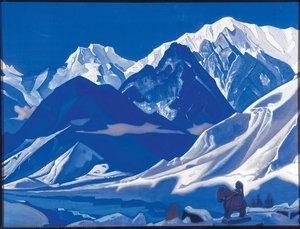
King Gesar
Veličina reprodukcije
The painting "King Gesar" by Nicholas Roerich, created in 1941, stands as a powerful example of Symbolism, an art movement dedicated to conveying meaning through symbols and metaphors. This work showcases Roerich's exceptional skill as a painter and his profound ability to weave complex themes into a single composition.
"King Gesar" initially presents itself as a medieval scene – a king mounted on horseback, bearing a shield. However, closer examination reveals a rich tapestry of symbolism. The striking red background provides depth and contrast, intensifying the drama of the scene. The presence of two additional figures suggests a narrative of conflict or a significant historical event unfolding. Roerich’s masterful use of Symbolism invites diverse interpretations, transforming the painting into a thought-provoking exploration of mythology and human experience. His style draws heavily from the Battle of Anghiari painting by Leonardo Da Vinci.
Understanding the significance of "King Gesar" requires considering its historical context. Roerich, a Russian painter, was deeply influenced by the Synthetism Art Movement, which championed bold colors and geometric forms to achieve harmony. This painting reflects his fascination with Eastern culture and a desire to explore the symbolism and mythology of ancient civilizations. The work resonates with themes found in Russian art, particularly the Alexander Nevsky legend, a popular motif throughout the 19th century. Roerich’s personal journey also played a role; having lived in India since the 1920s, he was acutely aware of global events, including World War II, and sought to express both spiritual resilience and the anxieties of his time through his art.
The imagery within "King Gesar" is laden with symbolic meaning. The knight on horseback traditionally represents power, duty, and heroism. In this context, set against a fiery red sky, he embodies strength in the face of adversity – perhaps reflecting Roerich’s response to the turmoil of war. The red background, often associated with passion, conflict, and sacrifice, amplifies this sense of drama. The simplified forms and bold outlines contribute to a feeling of timelessness, elevating the painting beyond a mere depiction of a historical figure to a universal symbol of courage and perseverance. The horse itself is a potent symbol of endurance and virility, further reinforcing the knight’s heroic qualities.
"King Gesar" remains one of Nicholas Roerich's most significant works, housed within the extensive collection of the Nicholas Roerich museum. As a handmade oil painting reproduction, this artwork offers an opportunity to experience the beauty and symbolism of the original in a new light. It’s a chance to bring a piece of art history into your home or office, sparking conversation and inspiring contemplation for years to come.

1874 - 1947 , Rusija

Explore the captivating art of Nicholas Roerich – a visionary painter whose Himalayan landscapes blend spiritual mysticism with cultural preservation. Discover his legacy & symbolism.

Explore the rich symbolism of the red dress in art history! From ancient power displays to iconic portraits like Cézanne’s 'Madame Cezanne', discover the cultural and artistic significance behind this captivating color. Expert analysis & insights.

Explore the captivating world of Victor Vasnetsov, a co-founder of Russian folklorist painting. Discover his iconic works, influence on national identity, and lasting legacy in this expert guide.

Explore the enchanting world of Ivan Bilibin, a master Russian illustrator who synthesized folklore, Art Nouveau & national identity. Discover his iconic fairy tale illustrations and legacy with BuyPopArt.

Explore the captivating history of mythological narratives in Western art! From ancient Greece to modern masterpieces, discover iconic artworks & symbolism. Expert analysis and high-quality reproductions at BuyPopArt.


Budite u tijeku s najnovijim umjetničkim vijestima, ekskluzivnim ponudama i idejama za dekoraciju.
Recite nam nešto o svom projektu, a naši će stručnjaci za umjetnost pripremiti 3 personalizirana prijedloga umjetnina.
Dopustite nam da odaberemo 3 opcije samo za Vas – Besplatno!


 Pregledaj u stvarnoj veličini
 Pošalji
 Podijeli
 Detalji o umjetničkom djelu

 Preuzmi
 Slični predmeti
 Rentgenska snimka
 Automatska prezentacija

 Prikaži više







 Opcija stakla dostupna je samo za dimenzije manje od 110 cm